There is never a good moment for your HVAC system to break down, but the middle of the summer is certainly one of the worst.
If you are like most homeowners across Hiawassee, GA, then you will rely heavily on your AC during the humid summer months. With the AC running, your home will be cool and comfortable when the weather is too much outside.
HVAC systems can also reduce allergens in the house during the most uncomfortable months, helping to reduce illness and other health issues for your family.
Without a working HVAC, you will certainly suffer, but perhaps you do not have the money available to get it repaired just yet. Luckily, there is a better solution that can get your home up and running again without breaking the bank.
HVAC Repairs in Hiawassee, GA
Requiring an ac repair service can be an expensive time for the household, based on the severity of the damage.
Many things can go wrong with your HVAC system, and it requires a professional to resolve these issues. Calling out a professional team may be something you have avoided for longer than necessary because you are concerned about the cost, but this does not have to be such a worry when based in Hiawassee.
This is because Hiawassee is home to some of the most trusted HVAC repair services, and as they work locally, there are no additional call-out fees that you might expect. With a local team, it is easier to call out professionals when you need them, and the team can be with you in no time.
Whether you are dealing with heating or cooling issues, a local technician can be with you in no time to resolve things.
With their local knowledge, they understand how important it is for all homes in Hiawassee to have access to heating and cooling on demand and will therefore work to ensure you can manage this within your own home, regardless of the issues you face.
What Are AC Services?
There are many reasons why you may need AC services, including:
· Repairs of heating and cooling systems
· Annual tune-ups of HVACs
· Maintenance services
· Installation or removal of ACs
When performed by professionals, these services can not only repair the issues you are currently dealing with but also prevent any future damage.
All HVACs should undergo an annual tune-up, but additional maintenance may also be required to prolong the life of your system. This should be done by certified technicians like those based in the Hiawassee area for the highest standards of work.
No matter where you are based in this region or the kind of issue you are dealing with, you will be able to find an AC repair professional to help you without breaking the bank.
Do not delay your AC repairs, and call the experts today to keep your home safe and comfortable in all the weather Hiawassee has to offer.
Whether you are taking care of yourself or your loved ones, safety is the top priority. Providing quality care in the comfort of a home is an ideal scenario for many elderly or disabled individuals. However, the home environment also poses a unique set of risks that must be addressed to ensure resident safety and well-being. This comprehensive guide examines essential considerations and practical solutions for creating a safe and comfortable home care environment. So let’s get started with the exploration.
Inside, you’ll find practical tips, easy-to-follow steps, and smart ideas to prevent falls, manage medications, organize living spaces, and more. We’ll cover everything from bathroom safety to preventing trip hazards. Get ready to create a nurturing and worry-free home care environment for your loved ones!
PRIORITIZING FALL PREVENTION
With age and disability often comes an increased risk of falls. But with the proper precautions, many falls can be prevented. So let us walk you through the journey of creating a safe and comfortable home environment!
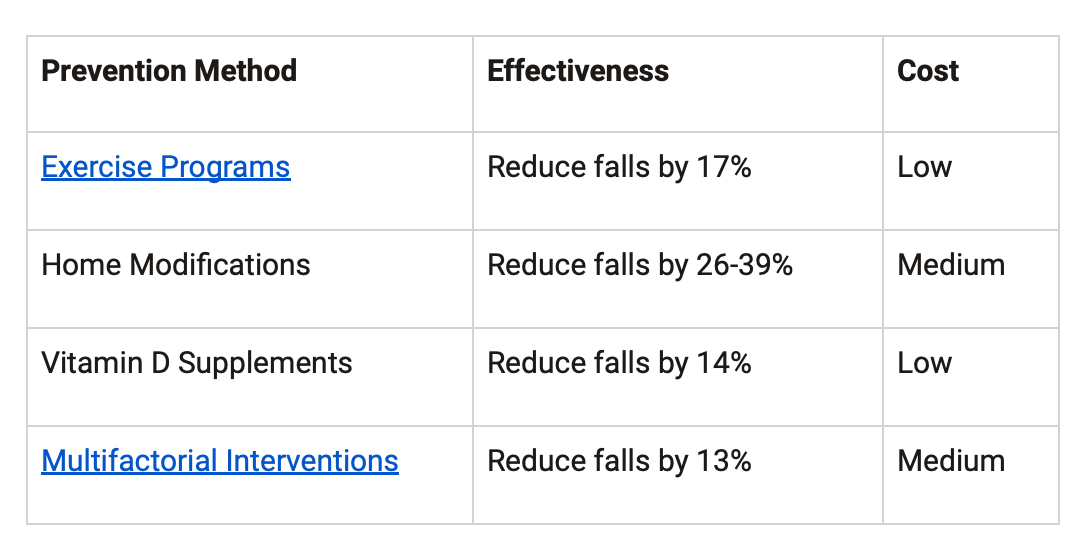
FALL PREVENTION COMPARISONS
When it comes to fall prevention, not all interventions are created equal. This comparison of options highlights the relative effectiveness and costs of common approaches, to help guide decisions.
PRACTICAL STEPS TO MINIMIZE RISKS
Simple changes to the home environment can significantly reduce fall risks. Consider taking these steps:
You can switch to decluttering rooms and stairways. Organized rooms and stairways will eliminate any kind of potential tripping hazards.
Ensure adequate lighting in all areas of your home including nightlights for pathways. This will help your residents in terms of night vision.
Use non-slip mats in the bathroom, kitchen, and near stairs for good friction between the floor and your feet.
Remove or tape down loose rugs and disruptive cords that may get tangled in your legs while walking.
Have grab bars and railings installed in key areas? As these bars will help any elderly residents in your home to act as walking support.
THE ROLE OF ASSISTIVE DEVICES
The right assistive devices play a vital role in stabilizing balance and preventing falls during everyday tasks in your living space. Consider the following useful options:
You can install canes and walkers for added stability which would act as a great support in walking elderly residents of your home.
Install grab bars and handrails in key areas like bathrooms, hallways, and stairways to provide the necessary support.
Set up shower chairs and benches to allow safe and comfortable bathing. These will provide adequate support to stand and bathe and also act as a precaution against falling.
The fact that 60% of falls occur at home emphasizes the risks our living spaces pose, particularly for seniors and those in need of care. But while falls are a major concern, they aren’t the only hazard lurking in our homes. Another silent threat demanding attention is the risk of fires.
ADJUSTING BED HEIGHT FOR SAFETY AND COMFORT
For older adults or those with disabilities, climbing into an excessively high bed can be difficult and dangerous. As in most cases, they can’t really reach there and might fall. So at this point, you might want to take some necessary steps to rectify this. The following tactics can be taken into consideration in order to avoid these kinds of situations:
Lowering beds to a comfortable height (around 20 inches) will work fine.
Adding bed rails for support which they can hold on to for a grip while getting in and out.
Having a bedside commode.
Keeping pathways clear is very important.
Using nightlights for visibility is also a basic thing to be considered for night vision.
These measures facilitated by home care in calgary facilitate safe transfers and reduce the need for strenuous standing or walking during the night.
For professional guidance on ideal bed height adjustments and other senior-friendly home modifications in the Calgary area, home care companies provide experienced consultation.
ELIMINATING FIRE HAZARDS
Fires represent an ever-present danger in home care environments. But awareness and preventative action can greatly reduce the risks. Let’s see how to analyze and tackle these kinds of scenarios.
THE COMMON CULPRITS
Many fires originate from seemingly innocuous sources, which include the following points:
Faulty electrical wiring and outlets can spark flames.
Unattended candles or cooking can quickly get out of control.
Overloaded outlets can overheat and ignite nearby items.
Flammable clutter can easily be combustible near heat sources.
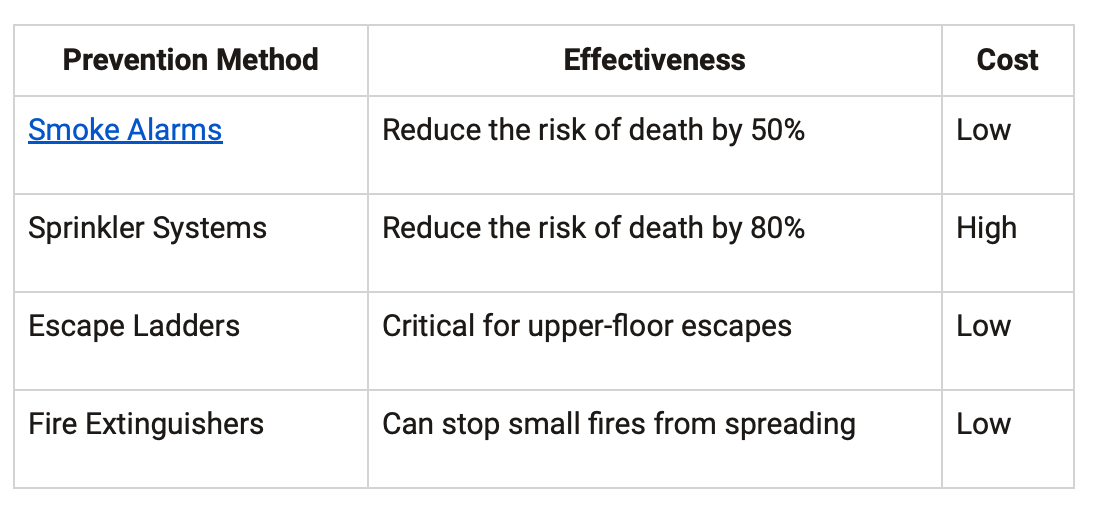
HOME FIRE SAFETY COMPARISONS
Fire safety requires layers of protection. This comparison looks at the effectiveness and costs of some key protective measures.
SAFETY MEASURES
Implementing basic precautions goes a long way in preventing fires. The following tips can definitely help you with your safety in terms of various hazards at your beloved such as:
You can start by installing smoke detectors on every level of your home.
Fixing fire extinguishers which can be readily available can help. These can be kept in the manner of hanging across the walls of your home.
Storing flammables properly is crucial for every home. Especially away from heat sources.
Avoid extension cords and overloaded outlets. As this can be a major obstacle for the recipients of your home.
EDUCATING RESIDENTS
Since many fires start small, residents should understand how to respond accordingly. Therefore educating everyone at your home in terms of various hazards that may take place is very crucial. Following are some of the tips that you can provide:
Raising the alarm quickly if smoke or fire is spotted at any point in time. As delaying might result in greater damage.
Knowing escape routes and evacuation plans to get out of that place immediately. This should be trained as a fundamental practice.
The safe use of fire extinguishers. If you do not know how to use it then there is no point in keeping it in your house for safety purposes.
According to the National Fire Protection Association (NFPA), U.S. fire departments responded to an estimated annual average of 5,750 structure fires in healthcare properties from 2011 to 2015. This alarming statistic underscores the need for proactive fire safety.
Apart from immediate dangers like falling and fires, it is also crucial to prioritize comfort and easy access to in-home care. Making changes to improve daily life can go hand-in-hand with safety measures. These changes may include alterations in lifestyle or change in your home like the installation of smart pieces of equipment.
ADDRESSING ACCIDENTAL POISONING RISKS
Medications, household chemicals, and even certain plants can pose poisoning dangers. These medications can be really hazardous if not properly taken care of. This is especially for kids and seniors residents experiencing memory loss or impairment. Though the following precautions can be taken to minimize the risks:
Safe storage: You can keep medicines and cleaners locked up or out of reach from kids and also from elderly people at your home with mental issues.
Clear labeling: Avoid decanting chemicals into unlabeled containers. Doing these can lead to confusion and can be mistakenly consumed by anyone at home.
Education: Discuss poison risks and prevention with residents, especially with kids, so that they will be aware of what they can have and what they shouldn’t.
Removal: Get rid of poisonous plants like oleander and castor beans. Though these plants are good for home decor but can be really harmful if any kind of misusage.
Med management: Caregivers can distribute meds to prevent errors. You can train them in terms of recognition of the medicines.
MODIFYING BATHROOMS FOR SAFETY AND ACCESSIBILITY
With its slippery surfaces and fall hazards, the bathroom poses one of the biggest risks for injuries. The following adaptations can help you reduce the dangers that typically take place in the bathroom:
Grab bars: You can install toilets, tubs, and showers for support. You can hold on to them if you feel like slipping at any point.
Non-slip mats: These will provide grip for the feet inside and around the tub/shower area. With the help of these mats, it’s easy for you to walk around the bathroom area with ease.
Shower seats: This will assist with safe and comfortable bathing. You can comfortably sit and bathe you would not have to walk much. Thereby reducing the chances of falling down.
Adjustable shower heads: Making washing easier with adjustable shower heads are clever traits to inherit.
Temperature regulators: Prevent scalding water by fixing regulators that can have control over the temperature of the water. This way you can prevent your skin from getting burnt.
Nightlights: This will ensure clear visibility in the dark.
Walk-in tubs provide a safe bathing solution with a door opening, especially for those with mobility limitations.
BATHROOM SAFETY OPTIONS
Upgrading the bathroom for safety and accessibility can be done on any budget. This comparison looks at some bathroom modifications and their costs.
The kitchen presents abundant dangers, from slippery floors to hot surfaces and sharp objects. And thus poses a lot of chances to get hurt at any point in time. You can follow these measures to boost safety while in the kitchen:
You can install stove knob covers to prevent accidental gas ignition.
Use appliance timers to turn off burners if unattended, make sure that they are automatic.
Mount microwaves at an accessible height so that anyone can easily reach them.
Organize utensils/appliances in easy-to-reach areas, this will reduce the chance of falling.
Have fire extinguishers nearby for any kind of emergency.
These tips will help residents with cognitive decline. At the same time hiring a caregiver is a wise decision as they can provide supervision during meal preparation and can help prevent injuries.
THE VALUE OF PERSONAL CARE ASSISTANTS
Personal care assistants are immensely valuable for enhancing safety. This will take care of and allow residents to retain independence while getting needed support with daily tasks. Care assistants can provide the following assistance to your residents.
Provide mobility assistance that will help you walk or move from one place to another place if you have a disability or an injury. They include crutches, canes, and walkers.
They can remind your residents to take medications correctly and on time.
They will help in preparing and serving meals safely by being cautious while cooking.
Offer companionship and safety monitoring, which will also have a good effect on the mental health of your loved ones.
Note: When hiring a personal assistant, look for training certifications and check references thoroughly. Rapport, reliability, and trustworthiness are fundamental when hiring people for personal care assistance.
FINAL THOUGHTS
Creating a safe and comfortable home care environment requires a lot of effort. But it pays dividends and immense benefits in increased security and quality of life for residents. We hope the above-mentioned tips and considerations provide a helpful starting point in creating a safe and comfortable home care environment. These tips will assess your unique situation, identify areas for improvement, and implement adaptations over time. Because small changes can make a tremendous difference. And now it is your turn to think in advance and be smart enough to inherit all these measures for a better home environment.
FREQUENTLY ASKED QUESTIONS
1. Why is a safe home environment important in caregiving?
A safe environment reduces accidents, improves resident well-being, and provides peace of mind for families and caregivers.
2. What are some low-cost safety modifications for the home?
Consider clearing clutter, adding grab bars and railings, using slip-resistant mats, installing adequate lighting, and rearranging furniture to ensure clear pathways.
3. What are the biggest fire dangers I should address?
Faulty electrical issues, unattended cooking, overloaded outlets, and flammable clutter near heat sources. Install smoke detectors on every level.
In a world filled with constant noise, looking for ways to protect your health and sanity is essential. While you may have little to no control over external noise sources, you can engineer your space so that little noise pollution gets in. This is where soundproof curtains come into play.
They can make a difference in your health by reducing excessive light interference and blocking external noise that might be a nuisance. Over the years, there have been improvements in soundproof curtains such that they do not only provide noise-canceling effects.
The best soundproof curtains can also incredibly benefit the user’s health. For instance, their ability to block UV rays and other light waves can be your key to a good night’s sleep. This article will explore how soundproofing curtains can help improve your sleep health.
1. NOISE REDUCTION
Right from the time you leave your home in the morning, many people are exposed to various forms of noise. From vehicles blasting their horns to aircraft flying by to the kids next door playing, noise pollution is a menace that might not go away soon.
Noise distracts the mind when trying to drift away, which could make sleep difficult. As a result, it affects many people’s mental health and can even prevent them from having a good night’s sleep. Soundproofing curtains have tough insulating materials that bounce sound waves back to the sources. This means you can enjoy your night’s rest without relying on drugs or other expensive means to get your body to hibernate.
2. IT CAN BLOCK OUT UV RAYS
Another advantage of soundproof curtains to your health can be traced to their capacity to block out UV rays. These heavy-duty curtains are made with strong materials that can keep unwanted light from entering your space.
One of the most common advice for people with difficulty sleeping is to reduce light interference. Soundproof curtains can help achieve this as they can confuse the brain, which might affect the production of melatonin – the sleep hormone.
3. IT CAN PRESERVE YOUR MENTAL HEALTH
Safety is one of the basic needs of humans. As a result, the brain is on constant alert for signs of danger, even while sleeping. Yet, sudden loud noise can trigger an adrenaline rush, setting the stage for anxiety and stress.
According to research,, constant noise pollution might make one susceptible to anger, feel on edge, and frustrated. Imagine suddenly hearing gunshots; you become stressed as you feel an imminent danger with racing heartbeats. This is one of the ways humans have evolved to protect themselves.
When exposure to noise pollution is constant, it can lead to high blood pressure and stress. Yet, stress serves as a precursor to many health issues. This is where soundproof curtains come in. Its unique capacity to prevent external sound waves from coming in can help limit stress and agitation. This protects mental health, keeps blood pressure normal, and boosts productivity.
4. PROVIDES INSULATION FOR YOUR HOME
Seasons come and go, and each has various features. These temperature changes affect the health and comfort of many. As a result, the body responds in different ways. This explains why flu is peculiar to some seasons. In the United States, flu is common during the fall and winter, according to the CDC.
As a result, many people go the extra length to keep their indoor temperature constant and at a reasonable level. However, doing this might cost money as it means relying on an air conditioning unit or heater to help regulate temperature.
However, you can enjoy better insulation in your space with suitable soundproof curtains for your home. These heavy-duty curtains are often densely weaved, so they can provide extra insulation during winter, reducing your dependence on a heater since they trap indoor air. They can also keep hot air from seeping in during hot summer days.
As a result, users enjoy a low energy bill. In addition, they can escape various health issues that come with changing weather and seasons.
5. REDUCES SUSCEPTIBILITY TO HEARING LOSS
In a world where you have no control over external sources of noise, one needs to know how to limit noise pollution.According to research, excessive exposure to noise pollution can increase the risk of hearing loss. When noise pollution is consistent, it can overwork the hair cells in your ear, triggering their death.
Such a person might be declared handicapped if there is a hard time understanding what another person is saying. Yet, such hearing loss progresses as long as the noise pollution continues. Thankfully, soundproof curtains are available with superb strength to counter noise pollution and preserve hearing.
As a result, even though you have no control over the noise source, you can control the amount of noise that gets into your space using these curtains.
CONCLUSION
It is evident that many people do not know there is more to soundproofing curtains than keeping noise away. These curtains can help preserve your mental health in ways you never thought possible by blocking excessive sound waves.
Also, their capacity to keep your indoor temperature constant can prevent you from getting the flu-associated with weather changes.
From this article, it is safe to conclude that soundproof curtains can help improve your overall health and preserve your mental health.
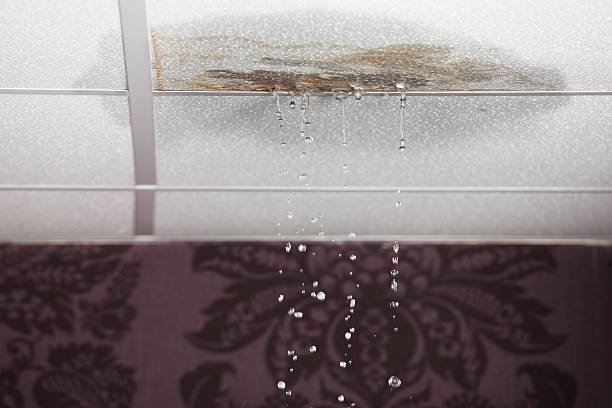
Water damage is a homeowner’s nightmare. It can transform a cozy nest into a damp and disastrous scene. A sudden deluge or a stealthy leak can cause severe damage to your home. But don’t let it drain your spirits! This handy guide guides you through what to do when water damage strikes.
STAY SAFE
The first thing to remember is your safety. If there’s a massive amount of water, turn off the electricity at the breaker panel to avoid electric shocks. Do not enter rooms with standing water if the power is still on. Protecting yourself with boots and gloves is essential as the water could be contaminated. It isn’t worth risking your life over some water damage. This is the most important step so that you can keep yourself and your family safe.
IDENTIFY THE SOURCE
Once you’re secure, try to figure out the source of the water. If it’s a burst pipe or a leaky faucet, you can stop it by turning off the water supply. However, you’ll have to wait it out if it’s due to a storm.
DOCUMENT THE DAMAGE
Now, it’s time for some detective work! Use your smartphone to capture the damage. Take pictures or videos of all affected areas. This evidence will be invaluable when making an insurance claim. The more pictures you have, the better!!
CONTACT INSURANCE
As soon as you’ve documented the damage, reach out to your insurance provider. The sooner they know, the quicker they can start the claims process. Provide them with all the details and evidence you have collected. Water damage insurance claims can sometimes be a small task but is a necessary part of this step.
START THE CLEANUP
While you’re waiting for the insurance company, you can start cleaning up. Remove any soaked items and put them somewhere to dry out. If there’s still water, you might need a pump to remove it. Be cautious while handling damaged items, as they can be fragile.
DRY IT OUT
After the water is gone, start drying out the room. Open windows and doors to allow fresh air in. If you own a dehumidifier, use it to speed up the process. The faster you dry the area, the less chance of mold growth. You could also use fans to help air out the rooms affected.
CHECK FOR MOLD
Mold is a sneaky enemy that thrives in damp environments. It can start growing within 24 hours of water damage. So, inspect every nook and cranny, especially hidden areas like inside walls or under floors.
CALL PROFESSIONALS
If the damage is extensive or mold is present, it might be time to call the experts. Professional water damage restoration services have specialized equipment and skills to clean and restore your home thoroughly.
DO REPAIRS
Once everything is clean and dry, you can begin repairs. This might involve replacing drywall, fixing leaky pipes, or retiling floors. Depending on the extent of the damage, you may need to hire contractors to complete the work.
PREVENTION MEASURES
After experiencing water damage, you’ll want to take steps to prevent it from happening again. Regular home inspections, keeping gutters clean, and installing water leak detectors are some preventive measures you can adopt.
CONCLUSION
Remember, the key is not to panic when water damage occurs. It can be a stressful experience and a very long process, but by acting quickly and following these steps, you can minimize the damage and restore your home to its former glory. Your house might be waterlogged, but with a little patience and perseverance, your spirit need not be!
In recent years, tankless hot water systems have been gaining popularity as a more energy-efficient alternative to traditional tank-based systems. These modern systems are touted for their convenience and cost-effectiveness, but are they really the best choice for every household? In this article, we’re going to take a deep dive into the fascinating universe of tankless hot water systems. If you’ve been considering such a system for your own home or business, then you’re in the right place. We’ll be exploring both the advantages and drawbacks of these innovative systems, providing you with a balanced perspective to aid in your decision-making process.
Tankless hot water systems, also known as instantaneous or on-demand water heaters, are becoming increasingly popular in Australia due to their energy efficiency and compact size. However, like any piece of technology, they aren’t without their quirks. We’re going to unpack all of this and more, giving you a comprehensive understanding of what to expect.
We believe that making an informed decision is crucial when it comes to investing in home appliances, especially ones that play such a pivotal role in our day-to-day lives. That’s why we’ve put together this detailed exploration of tankless hot water systems. Whether you’re a homeowner looking to reduce your energy bills, or a business owner aiming for a greener footprint, this article is designed to guide you through the ins and outs of these modern systems.
Understanding Tankless Hot Water Systems
Tankless hot water systems, as their name suggests, do not store hot water in a tank. Instead, they heat water on demand, whenever you turn on a hot water tap. This is achieved through either a gas burner or an electric element which heats the water as it passes through the system.
Pros of Tankless Hot Water Systems
Energy Efficiency: One of the primary advantages of tankless systems is their energy efficiency. Traditional tank-based systems continuously heat and reheat water, resulting in significant energy loss. In contrast, tankless systems only heat water when required, saving you energy and money on your utility bills.
Unlimited Hot Water: With a tankless system, you’ll never run out of hot water. As long as there’s cold water supply, the system can provide a constant stream of hot water, perfect for large families or households with high hot water usage.
Lifespan: Tankless hot water systems generally have a longer lifespan compared to traditional systems. With proper maintenance, these systems can last up to 20 years, which is almost double the lifespan of tank-based systems.
Cons of Tankless Hot Water Systems
Installation Costs: The initial cost of installing a tankless system is significantly higher than that of a traditional system. You may also need to upgrade your home’s electrical system or gas pipeline to accommodate the new system, adding to the upfront costs.
Limited Hot Water Supply: Although tankless systems can provide an unlimited stream of hot water, they can only supply a certain amount at a given time. This means you may face issues if multiple hot water outlets are used simultaneously.
Maintenance: Regular maintenance is crucial for tankless systems to ensure their longevity and efficiency. This may include periodic descaling, especially in areas with hard water, which can add to the overall running costs.
Comparison with Traditional Tank-Based Systems
While tankless hot water systems are more energy-efficient and have a longer lifespan, traditional tank-based systems have their own advantages. They are cheaper to install, can supply hot water to multiple outlets simultaneously, and require less maintenance.
Making the Right Choice
Choosing between a tankless and traditional hot water system depends on your specific needs and circumstances. If you’re looking for energy efficiency and a constant supply of hot water, a tankless system might be the right choice. However, if you’re on a tight budget or have high simultaneous hot water usage, a traditional system may be more suitable.
In conclusion, while tankless hot water systems have numerous benefits, they also come with their own set of drawbacks. It’s essential to weigh these pros and cons before making a decision. Regardless of the choice you make, ensuring regular maintenance and efficient use can help you get the most out of your hot water system.
In today’s fast-paced and hectic world, having a peaceful home is essential for promoting relaxation, well-being, and overall happiness. Your living space should be a sanctuary where you can unwind, recharge, and find solace from the stresses of daily life. Below, you will find three practical tips and strategies to transform your home into a tranquil and peaceful haven, fostering a sense of calm and harmony for you and your loved ones.
1. Choose Calming Colors
The choice of colors used in interior design can profoundly impact the overall atmosphere and mood of your home. When seeking to create a peaceful and tranquil living space, opting for calming colors is a powerful and effective strategy.
Color psychology studies the effects that different colors have on human emotions and behaviors. Calming colors are those that evoke a sense of tranquility, balance, and relaxation. They often have associations with nature, such as the sky, the ocean, or soft earth tones. The soothing properties of calming colors can help to reduce stress, lower blood pressure, and create a sense of overall well-being.
2. Minimize Noise and Distractions
A peaceful home should be a place of tranquility. Minimize noise and distractions by using soundproofing materials if needed. Create dedicated quiet zones where family members can retreat when they need a moment of solitude and peace.
Moreover, as homeowners seek ways to improve their living spaces’ comfort and energy efficiency, secondary glazing emerges as a smart and practical home upgrade. Secondary glazing and noise reduction involve adding an additional layer of glazing to existing windows, creating a secondary barrier against external elements.
3. Scent and Aromatherapy
The sense of smell can profoundly influence our emotions. Utilize aromatherapy by incorporating calming scents like lavender, chamomile, or eucalyptus into your home. Scented candles, essential oil diffusers, or dried herbs can add a soothing and comforting aroma to your living space.
Popular Calming Scents:
· Lavender: Lavender is perhaps one of the most well-known calming scents. Its sweet, floral aroma has been scientifically proven to reduce stress and promote relaxation. Lavender essential oil can be used in diffusers or diluted in carrier oils for massages to induce a sense of tranquility and help improve sleep quality.
· Chamomile: Chamomile, often associated with soothing herbal teas, has a calming effect when used as an essential oil. Its gentle and warm aroma can alleviate anxiety and promote a sense of inner peace.
· Eucalyptus: Eucalyptus has a fresh, invigorating scent that can clear the mind and relieve mental fatigue. Its cooling properties can also help ease tension and headaches.
· Sandalwood: Sandalwood has a rich, woody scent that promotes relaxation and a sense of grounding. It is often used in meditation practices to create a peaceful and centered state of mind.
· Vanilla: Vanilla has a warm and comforting aroma that can evoke feelings of happiness and relaxation. Its sweet scent can be calming, especially in times of stress.
A peaceful home is a place of refuge where you can escape the chaos of the outside world and find tranquility within. By decluttering, embracing natural light, and incorporating calming colors, you can create a serene ambiance that promotes relaxation and well-being. Indoor plants, comfortable spaces, and mindfulness practices further enhance the peaceful atmosphere of your home. Minimizing noise and distractions and utilizing aromatherapy contribute to a holistic and harmonious living space. Embrace these strategies to transform your home into a peaceful sanctuary, a place where you can rejuvenate your mind, body, and soul.
When you think of a beautiful kitchen, you probably think of delicious food and a warm, inviting atmosphere. But adding beautifully scented plants to your kitchen can enhance the ambience even more.
Here are five plants producing leaves, fruits, herbs, or fragrant flowers that will add a touch of beauty and fill your kitchen with refreshing scents. Plus, you can use all of these for cooking in one way or another.
1. CITRUS
Name: Citrus spp. Thrives in: A bright location protected from drafts; non-humid with moist soil Use it for: Leaves can be used for soups and various dishes; fruit can be used for cooking, baking, and refreshing beverages
Citrus plants like lemon and orange provide a refreshing, delightful aroma while blooming with dainty flowers. Your plant may even bear fruit if it grows long enough in the right conditions. Citrus takes a long time to grow from seed, though, so you may want to consider purchasing a young plant from a nursery to speed up the process.
2. THYME
Name: Thymus vulgaris Thrives in: Well-drained soil; needs minimum maintenance Use it for: Meats, vegetables, soups, and savory dishes of almost all kinds
Thyme is the first of the three easy-to-grow herbs we’ll mention in this article. It’s not only richly fragrant but also tasty. Thyme leaves are small and delicate, so it’s best to add them at the end of the cooking process to preserve their flavor. You’ll be glad to know that the plant can stay green all year if you provide the minimum care it needs.
3. CUBAN OREGANO
Name: Plectranthus amboinicus Thrives in: Medium to bright spots with no drafts; evenly moist, well-drained soil Use it for: Meats, marinades, salsas, sautees, Caribbean dishes
Cuban oregano isn’t what its name suggests. Rather, it’s thought to be from parts of southern and eastern Africa and isn’t technically even an oregano plant. Nevertheless, it’s a popular choice for kitchens due to its strong aroma, which resembles a mix of oregano and mint. The plant grows rapidly, and its leaves can be used to add a burst of flavor to various dishes.
4. ROSEMARY
Name: Salvia rosmarinus Thrives in: Well-draining soil, sunlight Use it for: Vegetables like potatoes, meats, bread
One more herb on our list is rosemary. Rosemary is a perennial herb that’s known for its needle-like leaves and woody stems. It’s a healthy herb that’s easily utilized for cooking. Rosemary adds a distinct and aromatic flavor to chicken, enhancing its taste and adding a piney flavor. One of the prime examples of using rosemary is when cooking poultry.
5. JASMINE
Name: Jasminum spp Thrives in: Well-draining but moist soil, full sun to partial shade; near window Use it for: Tea
Last but not least on our list is jasmine. Jasmine produces beautiful blossoms that not only smell sweet but also make a delicious tea. There are various kinds of jasmine flowers, so you can pick the one that best fits your preferences.
ADD SOME BEAUTIFULLY SCENTED PLANTS TO YOUR KITCHEN
These five fragrant, edible plants are an excellent choice for your kitchen. Some of them, like herbs, add not only aroma to your home but also flavor to your meals. Whether you’re a seasoned chef or just starting out, incorporating various new flavors into your cooking can elevate your culinary creations.
When it comes to other plants, like jasmine, they make a healthy and delicious tea.
Then again, if you pick citrus, you get the whole package; its leaves can be used for meals, while the fruit is great for both foods and beverages.
Whether you’re sprucing up your existing kitchen or wrapping up a kitchen remodeling project, a little greenery, fresh scents, and plants you can add you can use in your cooking are a nice homey touch.
So go ahead and see which plants best fit your kitchen as well as your personal taste.
Judith Gallova is a freelance writer who found her passion for writing when she created her first blog at the age of 10. In her free time, she often goes to the gym, spends time with loved ones, and enjoys all things art and design.















 Kevin Szabo Jr Plumbing