
TYPES OF ROOFS: PROS AND CONS OF EACH TYPE EXPLAINED

The roof is an important aspect of a building or a house. We cannot deny the importance of a strong and sturdy roof that is able to protect the whole building.

Types of Roofs

A roof plays an essential role in the overall appearance of a house or building. Moreover, it works as a protector to protect the building from extreme climates, etc. That is why if you are going to replace or make a new roof of your house, then you must have to familiarize yourself with different roof types first. Not every roof type is suitable for every type of building.

There are different types according to climate, budget, and building designs, etc. Out of many different types; the selection of the one that fits all your requirements is an important task that needs knowledge and information to make the right decision. However, choosing the right type is not an easy task if you are totally black or have no knowledge about them.

In this article, we have collected information about different types so that you can get an idea about which type will be more suitable for your house from an aesthetic and performance point of view.

Let us have a look at different roof types with the pros and cons of each type in detail.

1.     Gabled

In this type, there are two sloped sides that meet at one point in the center which is known as gable or ridge. This forms the shape of a triangle. This type is very common and has the simplest design. Pros and Cons are listed below.

·         Pros

●      Allows sufficient light and ventilation in the attic.

●      Prevents heat buildup.

●      Suitable for residential buildings due to affordable cost.

●      Prevent damage from moisture.

●      Versatile and can be made in different materials.

·         Cons

●      Not suitable for areas with windy climates or hurricanes.

●      Extreme rainfall can cause the roof to fall.

●      Structural damage is very common in this type.


2.     Gambrel

This type is very similar to the gable style but the difference is that the gambrel style has two more symmetric slopes on both sides. This means it has a total of four sloped sides. This style is also known as the Dutch roof or barn roof.

·         Pros

●      Provides additional storage or living space in the attic.

●      Helps to prevent standing water after rain or snow after snowfall.

●      Reduces the risk of water damage.

·         Cons

●      Difficult access for cleaning or repair purposes.

●      The shallow slope may not be able to bear the weight of heavy snowfall.

●      Not suitable for areas with hurricanes.


3.     Hip

In this style, there are four sloping sides. All four sides meet at a peak or ridge known as a hip. The overall structure looks like the shape of a square. Homes or buildings having a colonial architectural style prefer this type of roof design.

·         Pros

●      They are very stable.

●      The four-sloped design reduces the risk of structural damage.

●      Versatile and can be made with different materials.

●      Prevents water damage and seepage, etc.

·         Cons

●      Design and construction of this style are difficult and expensive.

●      Repair and maintenance are also difficult and challenging.

●       Installation is complex and this adds to the cost as well.


4.     Skillion

This comprises a single slope surface that is flat and connects one wall of the building with the other. It is mostly used in buildings having modern architecture. It is a rather simpler design and it is mostly used in buildings with small structures for example, sheds, garages, annexes, etc.

·         Pros

●      They are simpler in design.

●      Minimum structure support needed due to straight design.

●      It is cost-effective.

●      Can be made with different materials thus making it an adaptable option.

·         Cons

●      More prone to leaks.

●      Water damage risks are higher as compared to other styles.

●      Maintenance and repair are difficult and complex tasks.

●      Not recommended for areas with heavy snowfall or rainfall.


5.     A-Frame

This is also known as the triangular-style roof. It has two ends with a steep slope. The sloping sides meet at the ridge of the roof, making a triangular shape. The shape looks like the English alphabet A, which is why this style is also known as A-frame. Most homes or buildings prefer this style whose structural design is modern.

·         Pros

●      This style is suitable for all weather climates, for example, rain, snow, storms, etc.

●      Prevents water damage as the sloped sides slip down the water or snow, etc.

·         Cons

●      The sloped sides are difficult to reach for cleaning.

●      The accessibility issue makes the maintenance complex.

●      The interior angles become awkward due to the outer sloped sides.


6.     Bonnet

It is a type of hip roof but the difference is that it has four sides with a slight slope at the bottom. The slope is extended past the outside walls of the building. This makes a shade-like structure which is known as a bonnet. They are mostly made in gazebos, pool houses, etc.

·         Pros

●      The bonnet shape provides shade for the building or home from all sides.

●      It is resistant to wind due to the hipped structure.

●      Provides space for the gutter system.

·         Cons

●      Expensive to construct this style.

●      There is a great chance of leakage due to more seams used in this style.

●      Additional structural support is needed that adds extra cost to the total budget.


Conclusion

Roofs no doubt play a crucial role in any building’s overall structure. That is why it is important that you should choose the roof style and type carefully. Every roof style has an exclusive design, shape, attributes, quality, material, and other distinctive features.

The roof style should be chosen after discussing with a roofer in Norwich around you, according to the architectural design of the building structure, the climate of the area, desired roof space, etc. Also, consider the maintenance requirements before choosing the style.

Guest Contributor: Amber Julie

WHY IS CONCRETE SUCH A POPULAR BUILDING MATERIAL: THE IMPORTANCE IN THE CONSTRUCTION INDUSTRY

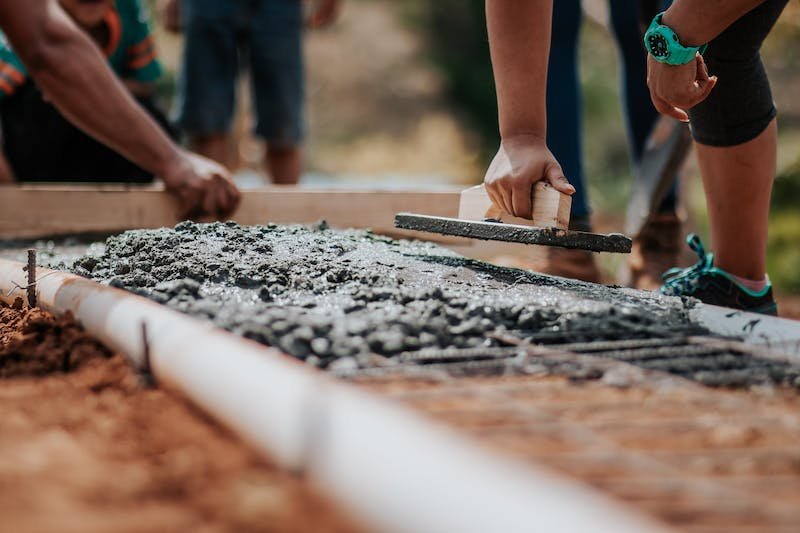
Concrete has been a staple in the construction industry for centuries and remains one of the most popular building materials worldwide. Its versatility, durability, and cost-effectiveness have earned it a place of prominence in a wide range of construction projects, from skyscrapers and bridges to residential homes and pavements. Here are the reasons why concrete has maintained its popularity as a construction material and why it continues to be favored by architects, engineers, and builders alike.

VERSATILITY IN DESIGN AND FORM

One of the primary reasons for concrete’s popularity is its exceptional versatility in design and form. Concrete can be molded into various shapes, allowing architects and designers to create unique and intricate structures. From smooth and modern facades to ornate and decorative elements, concrete offers boundless possibilities for creative expression. Additionally, it can be combined with other materials like glass, steel, or wood to achieve aesthetically pleasing and structurally efficient designs that stand the test of time.

FIRE AND WEATHER RESISTANCE

Concrete’s exceptional fire resistance is a significant advantage over many other building materials. It does not burn, melt, or release toxic fumes when exposed to high temperatures, making it a preferred choice for fire-resistant construction. Moreover, concrete’s resistance to extreme weather conditions, such as hurricanes, earthquakes, and floods, makes it a reliable option for building structures in regions prone to natural disasters.

ENERGY EFFICIENCY

Concrete’s thermal mass properties contribute to energy efficiency in buildings. It has the ability to absorb and store heat, regulating indoor temperatures and reducing the need for excessive heating or cooling. This quality makes concrete structures energy-efficient, lowering energy consumption and associated costs for both residential and commercial buildings. As sustainable construction practices gain prominence, concrete’s energy-efficient attributes continue to enhance its appeal as a green building material.

DURABILITY AND LONGEVITY

Concrete’s reputation for durability and longevity is unmatched among construction materials. Its inherent strength and resistance to harsh environmental conditions make it ideal for withstanding wear and tear over extended periods. Properly designed and constructed concrete structures, like those versatile civil concrete construction projects, can have a lifespan of several decades or even centuries, reducing the need for frequent repairs or replacements. This durability not only ensures the safety and reliability of buildings but also contributes to the long-term sustainability of construction projects.

COST-EFFECTIVENESS

Concrete’s cost-effectiveness is a major factor contributing to its popularity in construction. Compared to many other building materials, concrete is relatively affordable, and its widespread availability further lowers construction costs. Additionally, the reduced need for frequent maintenance and repairs due to concrete’s durability translates into long-term cost savings for property owners and developers.

ENVIRONMENTALLY FRIENDLY FEATURES

Concrete’s environmental credentials have improved significantly with the advent of eco-friendly construction practices. Modern concrete mixes can incorporate recycled materials like fly ash, slag, and crushed concrete, reducing the demand for raw materials and lessening environmental impacts. Furthermore, concrete structures can be designed to be energy-efficient, contributing to overall sustainability and minimizing a building’s carbon footprint.

RESISTANCE TO PESTS AND ROT

Unlike some traditional construction materials like wood, concrete is not susceptible to pest infestations or rot. This resilience to pests, such as termites, and resistance to decay and moisture damage makes it an ideal choice for structures in regions prone to insect activity or humid climates. Concrete’s ability to withstand the elements ensures the longevity and structural integrity of buildings, further solidifying its popularity as a reliable construction material.

EASY MAINTENANCE

Maintaining concrete structures is relatively straightforward and requires minimal effort. Routine inspections, minor repairs, and occasional cleaning are typically all that is needed to keep concrete buildings in excellent condition. This ease of maintenance adds to the appeal of concrete, particularly in busy urban areas or large-scale infrastructure projects where maintenance downtime needs to be minimized.

Concrete’s enduring popularity as a construction material can be attributed to its exceptional versatility, durability, and cost-effectiveness. Its ability to be molded into diverse forms, coupled with its longevity and resistance to fire and adverse weather conditions, makes it a reliable choice for various construction projects. Concrete’s energy efficiency, environmentally friendly features, and resistance to pests and rot further enhance its appeal in today’s environmentally conscious world. As the construction industry continues to evolve, concrete’s timeless qualities ensure its continued prominence as a favored building material for both practical and creative architectural solutions.

Guest Contributor: Diana Smith

CHOOSING THE RIGHT DRAIN CLEANING SERVICE IN 2023: ALL THE FACTORS TO THINK ABOUT

A clogged drain is one of the most common reasons for a homeowner to contact a plumber. It can occur suddenly and have serious effects if not addressed effectively. It is best to have a professional take care of the issue and clean up the mess entirely. Finding a reliable drain cleaning service is essential if you want to avoid any unpleasant surprises and achieve the desired outcomes.

If you pick the incorrect plumber, you can face difficulties in hiring another again. In this blog, we have provided a checklist of factors to consider before hiring the right drain cleaning service in 2023.

IMPORTANT CONSIDERATIONS BEFORE HIRING A DRAIN CLEANING SERVICE

FACTOR 1-KNOWLEDGE AND EXPERTISE IN THE FIELD

It’s best to hire a plumbing company with years of experience clearing drains, as clogs aren’t always easy to clear up. Hiring a qualified plumber is the best way to ensure that the task will be done swiftly, efficiently, and with minimal disruption to the rest of the plumbing system. And that calls for the appropriate technological capabilities.

Inquiring about certifications and insurance coverage is also recommended. It would be best to verify the company’s legitimacy before hiring them.

FACTOR 2-EQUIPMENT FOR CLEANING DRAINS

Similarly, you should feel confident that your plumber has the tools necessary to complete any task you put at them. Nothing is more frustrating than having an assignment delayed while waiting for necessary equipment to arrive.

You should describe the task and collaborate with the plumber to devise a strategy for addressing the issues. You can then inquire as to whether or not they have the necessary equipment and materials on hand. Having everyone on the same page is beneficial.

FACTOR 3-PRICE OF CLEANING SERVICES

As with any service, you must pay a fee when the job is done. The way each plumbing company charges customers is different. To feel satisfied once the job is finished, it is necessary to understand this fully. Get a price quote for the project before signing a contract with any company.

Find out if there are situations when extra charges apply. Since there is no way to predict exactly how the task will go, knowing this knowledge helps avoid unpleasant surprises as you complete the project. Pay special attention to these details because project management success depends on staying within budget.

FACTOR 4-REVIEWS FROM REAL CUSTOMERS ON THE INTERNET

Read the web reviews from satisfied customers before signing contracts or making any purchases. It’s relatively easy to hire a plumber.

Past clients can best depict what it’s like to do business with a given firm because they have firsthand experience with the company. They have personal experiences using these services and can provide advice based on their experience. To form a well-rounded opinion, checking out multiple review sites is best.

FACTOR 5-AVAILABLITY, WORK SCHEDULE AND PLAN

It’s not a good idea to ignore plumbing issues for too long. First, it makes normal tasks more challenging or more annoying for you. Second, even minor faults may become major emergencies like water damage if left unchecked.

There are times when you can unclog a drain or washbasin on your own. But after several failed tries, it’s time to call in the experts.

The best group for the job will be the one who can start immediately and promise to finish on schedule. You want to resume your routine as soon as possible.

FACTOR 6- TECHNIQUES FOR DRAIN CLEANING

Remember, only some drainage problems can be fixed with the same method. The most effective approach to fixing the problem will rely on where the blockage is, how bad it is, and what is causing it. Discuss which drain cleaning technique you choose with the plumber before hiring them to handle the issue.

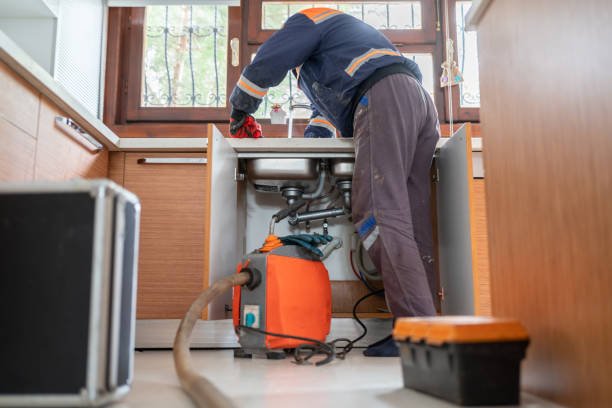
The plumbing crew may have to remove certain things or dirt from the drain physically. A snake tool is a long tube with a hook at one end. It is a common piece of equipment for this purpose since it may be used to push an object deeper into the pipe to reach a larger region or retrieve it from the pipe.

Hydro jetting is another common physical removal method.

FORT LAUDERDALE DRAIN CLEANING AT LOW COST

In Fort Lauderdale, South Florida, residents frequently deal with clogged drains, broken garbage disposals, and other issues related to their homes’ sewage systems. That’s why it is so important to have ready access to a reliable, high-quality drain cleaning service.

No matter what kind of drain problem you’re experiencing in your house, from a blocked bathroom sink to a clogged kitchen sink, their trained technicians can help you find a solution at a price that fits your budget.
When it comes to drain cleaning, no one does it better than Superior Drain Cleaning. Drain cleaning Fort Lauderdale allows homeowners to take advantage of their same-day emergency services to fix any drainage concerns.

CREATE A HOME THAT SUPPORTS YOUR NEEDS WHILE REDUCING YOUR STRESS

For many, your home is the place you spend most of your time. Moreover, with more and more of us working from home, it has become more of a multipurpose space to not only live in but to work in, study in, unwind in, etc. So, if you want to transform your home to make it more practical for these purposes, Kevin Szabo Jr Plumbing shares some handy tips on how to do so.


MAKE SPACES WORK FOR YOU

Suppose you have to look after the kids when working from home, but you don’t have a designated area for them that will also give you the privacy you need not be disrupted constantly. Then you could think of creative ways to partition an area of your home so that it is not totally separate from you but gives you enough space to work undisturbed.

This may mean using that awkward-looking nook as a kid-friendly space for kids to do their homework. Just be sure to decorate the space to look as if it’s meant to be there using bright-colored paints to create a feature wall, adding a standing desk and stool, and installing more lighting to make it more suitable for the kids to work in. You might even want to consider laying down a comfortable rug and bean bags for the kids to relax.  

Making functional spaces may apply to you as well. For instance, if you don’t have a designated office area, then there are ways to make other spaces work for you, such as using the dining room area as an after-hours or in-between working space in the meantime. Here, it’s about using clever design tricks to mask the room’s main purpose, such as covertly placing a dresser somewhere to store your workbooks and laptop for when you need them, for example.


FOCUS ON MAKING YOUR HOME OFFICE MORE FUNCTIONAL

If you are going to be working from home more often than not, then you’ll want to pay attention to this area to make it more of a pleasure rather than an obligation to be in. Of course, when it comes to creating a home office where you can be your most productive, then, as Verywell Mind notes, cleanliness is next to godliness as far as this goes.

Additionally, you should decorate your office in such a way that it promotes productivity, such as using the correct lighting, using ergonomic furniture, and letting in plenty of fresh air to help keep you more alert and focused during the day.

If you plan on launching a home business, you’ll want to keep that as stress-free as possible. An online formation company can help you create an LLC, for example. Their quick and easy process makes it easy to get set up and file all the necessary paperwork. Then you’ll be ready to put your home office to good use.


TRANSFORM YOUR BEDROOM INTO THE ULTIMATE SANCTUARY

Salvatori points out that our bedrooms are often the places we resort to when we need to escape from it all; hence, why should they be designed and decorated so that you can’t wait to get to it to unwind after a busy day. Moreover, it’s the one place you can afford to go all out decorating because you will be the only person to see it at the end of the day.

For example, you could think of investing in pure cotton bedding as it won’t cause irritation on your skin when you settle down for the night; it’s extremely breathable, which is great for hot weather and has a luxurious light-as-a-feather feel to it that might make you feel like you’ve booked into a 5-star hotel resort. Furthermore, you could try changing up the atmosphere in the room by using different light fixtures to create dreamy golden hues that are perfect for relaxing the mind and the senses.

But the most luxurious bedding won’t fix your sleep if you have a small bed and an old mattress. If you are tossing and turning and wake up dangerously close to the edge of your bed, give this a view because it may be time to upgrade to a king sized bed and supportive, cooling mattress. There are a variety of support levels from which to choose, from cloud-like to firm to hybrids with bounce and stability. Find the option that suits you and see what a difference it makes for your sleep.


UPDATE YOUR KITCHEN AND BATH FOR EXTRA PAMPERING

The kitchen is the hub of your home, so why not make it more welcoming and better designed for cooking and being together? Look for ways to use your space more effectively, including opening up a wall, adding a center island, or rearranging the layout. Having the right flow to your kitchen will make a big difference.

And bathrooms, although often overlooked, can be refreshing spaces for you to begin and end your day. The right showerhead can make your morning a much less frustrating time, and a relaxing soak in a deep tub can make the stresses of the day melt away in the evening. So contact Kevin Szabo Jr Plumbing to find out how they can help you to make your kitchen and bathroom dreams come true to support your home oasis.


BRING A TOUCH OF NATURE INSIDE

We all know that being in nature has wonderful therapeutic benefits for our minds and bodies when they are working overtime. This is where bringing a touch of nature into your home can revive a tired-looking space into something more refreshing and inspiring. Along with decluttering and tidying up, it can also be part of your strategy to optimize your living space by replacing a stressful atmosphere with a peaceful one. Environments – especially your home, where you spend most of your time – can influence how you feel, so go ahead and invite a little Mother Nature inside to reduce stress and fatigue.

Or better yet, why not transform your backyard into something of a tropical oasis to reflect on the day’s activities in perfect serenity? For this, you may have to hire a professional landscaper to help you transform your backyard into something magical. Be sure to meet up with them beforehand to discuss everything you want on your wishlist. And don’t forget to collect a few quotes to ensure that you get the best price possible. Also, be sure to look out for discounts or credits from select contractors if the cost factor of overhauling your entire yard concerns you a bit.


MAKE YOUR HOME A RELAXING AND FUNCTIONAL SPACE

Transforming your home to reflect a multidimensional and multi-functional space can be the excuse you’ve been looking to elevate your home’s appeal (and the way you do life) to the next level. But make sure that each change you make also makes your space less stressful through better organization, more connection to nature, and better functionality. Your home should be a relaxing space where you can decompress. Keep that your goal as you make both small and large upgrades.

Guest Contributor: Bob Shannon

PIPE RELINING VS. TRADITIONAL PIPE REPLACEMENT: THE DIFFERENCES AND ADVANTAGES

If you’re a property owner or maintenance professional, the last thing you want is plumbing problems. From the irritating drip of a leaky faucet to a full-blown pipe disaster, these issues can significantly disrupt your daily life or work. It’s undeniable: navigating the maze of pipework can be daunting. But fear not, as we have your back. Knowledge indeed empowers you to confront any piping issue head-on. 

In the world of plumbing, there are two primary solutions for pipe issues: conventional pipe replacement and a contemporary method known as pipe relining. Both methods have their place, each boasting unique benefits. Whether you’re familiar with traditional pipe replacement or newly introduced to Sydney pipe relining services, this article aims to demystify the differences and advantages of each method, helping you make informed decisions when pipe troubles arise. 


Decoding Traditional Pipe Replacement 

As the name suggests, this approach involves completely swapping the old, damaged pipe for a brand-new one. It’s been a common method plumbers use for years and often becomes the first solution to address pipe problems. However, is this always the best solution? Let’s highlight some critical aspects: 

  • Effective, Yet Invasive. Full replacement can be an effective solution, providing a brand-new pipe system free of prior issues. However, it’s an invasive procedure that might involve tearing up floors or landscaping. 
  • Best For Severe Damage. This method might be the best option if your pipes are severely damaged or compromised. It offers a complete renewal of the problematic pipe system. 
  • Potentially Costly. Comprehensive replacement of the pipes often involves extensive labor and materials. Consequently, it could be more expensive compared to other methods. 

Despite its challenges, traditional pipe replacement is a viable option for pipe issues. Let’s shift our focus to another method, pipe relining, from a different perspective. 

  Embarking On The Journey: Pipe Relining 

The relining technique is a newer method in pipe repair. This innovative process involves creating a new, solid pipe within the old one, often making it less disruptive than traditional replacement. Is this the solution to all pipe issues, though? Here are some key considerations: 

  • Minimal Disruption. As a trenchless technique, it spares you extensive digging, making it an attractive option for preserving lawns or beautiful tile flooring. 
  • Faster And Potentially Cost-Effective. It usually takes less time and might require fewer resources, making it potentially more cost-effective upfront. 
  • Dependent On The Original Pipe’s Condition. The success and longevity of relining heavily depend on the original pipe’s condition. It’s not always suitable for back-pitched pipes or those that have collapsed or are severely damaged. 

The choice between replacement and relining depends on several factors, as we’ll explore next. 


Pipe Relining Versus Traditional Pipe Replacement: An In-Depth Comparison

Having established the basic principles of conventional pipe replacement and relining, it’s time to scrutinize deeper. This comparison will focus on three crucial aspects: cost, time investment, and disruption caused. Grasping these differences can guide you toward an informed choice.

Cost Consideration: Evaluating The Expenses 

Cost is fundamental when deciding between relining and an overhaul. Here are a few key points to keep in mind: 

  • Initial Cost. Typically, pipe relining might have a lower initial cost due to less labor and resources required. This cost-effectiveness makes it a popular choice for many property owners. 
  • Long-Term investment. While the upfront cost of trenchless repair might be lower, consider the long-term implications too. If the condition of the original pipe is too poor, the relining might not last as long, leading to more frequent repairs. 
  • Individual Circumstances. Individual circumstances like pipe length and depth, location, and damage severity can greatly influence the overall expense. Sometimes these factors can lessen the cost difference between the two methods. 

Time Investment: Analyzing The Duration 

The duration of the repair is another critical factor. Here’s how the two methods stack up: 

  • Quick Solution. In general, the relining process is faster, primarily because it’s a trenchless method. This speed can be a significant advantage when a quick repair is essential. 
  • Dependent on Pipe Condition. However, if the existing pipe is badly damaged, this method might not be viable, or it could take longer than anticipated. 
  • Project Scale. Larger or more complex projects might take longer, irrespective of the method used. Keep this in mind when scheduling the repair. 

Disruption Factor: Assessing The Inconvenience 

The level of disruption caused by the repair work is a key consideration for many property owners: 

  • Minimizing Disruption. Pipe relining is generally less disruptive as it doesn’t require significant excavation. This makes it an attractive option if you want to avoid property damage. 
  • The Extent Of Damage. However, if the pipes are severely damaged or difficult to access, the traditional method of replacement might be necessary, despite the greater disruption it causes. 
  • Restoration Work. Remember to consider the potential restoration work after the repair. The pipe replacement may require additional landscaping or flooring work, adding to the overall disruption. 

The choice between relining and replacement isn’t a one-size-fits-all answer but depends heavily on the specific circumstances and requirements.  


Finding Your Fit: Pipe Relining Or Traditional Replacement?

This concludes our comprehensive review of both traditional pipe replacement and pipe relining. As we’ve underscored, the ideal choice is largely contingent upon your unique situation and needs. From the condition and location of your pipes to your budget and timeline, various factors play into this decision. By understanding the unique differences and advantages of both methods, you’re now well-prepared to make the correct decision when plumbing issues arise.

UNDERSTANDING THE IMPORTANCE OF WATER CONSERVATION IN PLUMBING SYSTEMS

Water is a vital element for life, but as a limited resource, it increasingly faces challenges to meet the needs of a rising population amidst climate change—straining water supplies. Consequently, plumbing systems governing water usage in homes, commercial buildings, and other communities have become crucial for water conservation efforts. 


In this blog post, we’ll tackle the benefits of preserving water in plumbing facilities to make professionals in the industry realize the fundamental role of these systems in the establishment’s stability and long-lasting value, as well as in saving the environment from destruction. 


9 Substantial Benefits of Water Conservation in Plumbing Utilities 

Conserving water in plumbing systems presents various advantages, from environmental preservation to cost savings. Below are several pivotal benefits of saving water in plumbing facilities: 

1. Environmental preservation: As stated, water is a finite supply, and saving some will help protect natural water sources, including rivers, lakes, and aquifers. You can keep these valuable ecosystems and sustain the tender water cycle balance by lessening water consumption. 

2. Energy savings: Water distribution and treatment demand an immense amount of energy. Being efficient in water usage lowers the energy requirement associated with pumping, treating, and heating water—resulting in much fewer greenhouse gas emissions and a less carbon footprint. 

3. Mitigating water scarcity: Many regions worldwide face water deficiency and stress. Hence, water preservation is a must as it can greatly help alleviate the strain on little water resources, guaranteeing that sufficient water is available for individual needs, like the agriculture industry and human consumption sectors. 

4. Lower water bills: Enforcing smart water fixtures and procedures in plumbing utilities can lead to massive water bill savings. Moreover, installing low-flow toilets, faucets, and showerheads, for instance, use less water without restricting performance. In addition, attaching the BA-AHD-SS general purpose access panel is a wise choice to protect your client’s plumbing tools further, provide easy maintenance access, and achieve their lowest water consumption simultaneously. 

5. Reduced wastewater generation: Water conservation decreases the amount of wastewater generated, which eases the responsibility of wastewater treatment plants and helps safeguard other bodies of water from detrimental contaminants. 

6. Extended plumbing lifespan: Preserving water also benefits the plumbing infrastructure. By utilizing water wisely and containing leaks, you can diminish the wear and tear on pipes and fixtures, expanding their lifespan and cutting down repair or replacement needs. 

7. Less strain on sewer systems: Water conservation relieves the pressure on sewer systems, especially during peak demand, which can deter overflows and diminish sewage backups and flooding risks. 

8. Resilience to droughts: In building spaces vulnerable to drought, water preservation secures water availability during dry periods—helping the occupants and communities to cope with water depletion and regulations relentlessly. 

9. Green building certifications: In every property and construction management, water conservation standards are paramount for accomplishing green building certifications, like LEED (Leadership in Energy and Environmental Design), which improve the sustainability and market value of the entire establishment. 


5 Fundamental Plumbing Upgrades 

Now that you know the useful benefits of conserving water, we’ll share some essential plumbing advancements you must consider applying to your construction project. Here are five of them: 

  • Tankless water heaters: Incorporating tankless water heaters is an energy-saving plumbing upgrade for your client’s building facilities, as it can supply hot water whenever needed. Unlike conventional water heaters with storage tanks, this tankless type warms water only when on demand, eradicating the need to heat and store large quantities of water continuously. It leads to massive energy savings and a constant hot water supply. 
  • Water-efficient faucets and showerheads: Elevating your project’s faucets with water-efficient ones can decrease water usage without renouncing the required water pressure or comfort. Product experts developed these fixtures to limit water flow while sustaining optimal conditions, resulting in significant water usage and energy savings. 
  • Water filtration systems: These valuable plumbing advancements enhance water quality by eliminating hazardous chemicals, contaminants, and other impurities. Integrating a whole-house water filtration system makes sure that all the water utilized within the property is clean and safe, satisfying both drinking and household water consumption. 
  • Sump pump installation: Sump pumps are critical for structures prone to flooding or water penetration. Installing a sump pump within your client’s basements or crawl areas can promptly prevent water damage. Smart pumping out of excess water and redirecting them away from the building can safeguard its foundation and belongings from water-relevant problems. 
  • Smart plumbing technology: Incorporating innovative technology can boost water efficiency, comfort, and authority over water use. Nowadays, high-tech water leak detectors can warn owners and occupants about possible leaks, helping to avoid expensive water damage and dwindled water. Furthermore, smart irrigation facilities can also revamp outdoor water usage by modifying watering timetables according to weather situations and soil moisture levels. 


Conserve Water for the Structure and Environment’s Welfare 

Water preservation in plumbing systems is a significant step towards green living and accountable resource management. The advantages your project will enjoy when it practices conserving water go beyond financial save-ups—positively influencing the surroundings, infrastructure, and general community well-being. By adopting water-efficient practices and upgrading the structure’s plumbing utilities, we can create a remarkable change in keeping this invaluable resource for future generations. 

Guest Contributor: Chris Jackson

ADVANCEMENTS IN PLUMBING EDUCATION AND TRAINING FOR INDUSTRY PROFESSIONALS: UNLOCKING SUCCESS WITH CUTTING-EDGE TOOLS

As the plumbing industry continues to grow and adapt to evolving challenges, plumbing professionals must strive for excellence in their careers. Success in this field hinges on mastering conventional skills and embracing the latest plumbing education and training advancements. Staying abreast of cutting-edge developments can significantly contribute to professional growth and achievement in the plumbing sector. Let’s explore the latest trends and technologies in plumbing education that empower industry professionals to reach new heights of expertise. Furthermore, we will highlight one revolutionary product, the Cendrex AHD-GYP-SS Stainless Steel General Purpose Panel, a game-changer for commercial plumbing, enabling professionals to enhance their efficiency and service quality. 


The Evolution of Plumbing Education 

Once considered a traditional trade, plumbing has recently transformed into a high-tech and dynamic field. As buildings become more complex and sustainable solutions gain prominence, plumbing professionals must adapt and acquire new knowledge and skills. Several critical advancements in plumbing education have paved the way for better-trained professionals: 

Online Learning Platforms: Online learning has revolutionized plumbing education by providing convenient and flexible access to courses and resources. Plumbing professionals can now access training modules, videos, and interactive simulations to practice their skills in a virtual environment. 

Augmented and Virtual Reality: AR and VR technologies have applications in plumbing education, enabling learners to visualize complex plumbing systems and troubleshoot issues in a simulated environment. This immersive experience enhances comprehension and retention of critical concepts. 

Green Plumbing Certification: With a growing emphasis on sustainable practices, green plumbing certification programs have gained popularity. These programs equip professionals with knowledge about water-efficient systems, renewable energy integration, and eco-friendly materials, positioning them as leaders in the industry. 


Specialized Training Programs 

As plumbing systems become more specialized and sophisticated, there is an increasing demand for professionals with expertise in niche areas. Technical training programs have emerged to cater to these needs, offering in-depth knowledge in specific aspects of plumbing: 

Commercial Plumbing Systems: Commercial buildings often have complex plumbing systems, and specialized training in this area equips professionals to handle large-scale projects efficiently. 

Medical Gas Systems: Medical facilities require specific gas systems and training in medical gas installation and maintenance to ensure compliance with strict safety regulations. 

The Cendrex AHD-GYP-SS Stainless Steel General Purpose Panel: Redefining Commercial Plumbing 

In the world of commercial plumbing, efficiency, and durability are paramount. AHD-GYP-SS has emerged as a must-have product for industry professionals due to its innovative features: 

Robust Construction: The stainless steel panel is corrosion-resistant and ensures a long-lasting installation. 

Easy Installation: AHD-GYP-SS features a user-friendly design that simplifies installation, saving valuable time on the job. 

Versatility: This panel can be adapted for various commercial plumbing needs, from accessing valves to concealing pipes, offering a versatile solution for different projects. 

Enhanced Safety: The panel’s secure locking mechanism provides added safety by preventing unauthorized access to critical plumbing components. 

Aesthetics: Stainless steel’s sleek and modern appearance adds a professional touch to commercial plumbing installations, making them visually appealing. 

Security: Stainless steel access doors come with secure locking mechanisms, providing enhanced protection for plumbing components and preventing unauthorized access. 

Maintenance: Stainless steel surfaces are non-porous and easy to maintain, allowing commercial plumbers to focus on providing efficient services rather than constant upkeep. 

Weather Resistance: The resilience of stainless steel makes the access door ideal for outdoor plumbing installations, as it can withstand exposure to various weather conditions. 

Compliance with Regulations: Many commercial buildings require access doors that meet specific safety and building code regulations. Stainless steel access doors often fulfill these requirements. 


The Impact of Upgraded Education and Tools on Plumbing Businesses  

Investing in upgraded education and cutting-edge tools can significantly impact the success and growth of plumbing businesses: 

Customer Trust and Satisfaction: Well-trained professionals can deliver high-quality services, increasing customer trust and satisfaction, resulting in more referrals and repeat business. 

Competitive Edge: Plumbing businesses can set themselves apart by staying up-to-date with the latest advancements, attracting more clients, and lucrative projects. 

Time and Cost Savings: Efficient plumbing practices learned through advanced training and innovative tools like AHD-GYP-SS can reduce project timelines and labor costs. 

Adapting to Industry Trends: Businesses that embrace green plumbing practices can align themselves with the growing demand for sustainable solutions, expanding their market reach. 


Interesting Plumbing Facts 

1. Ancient Plumbing: The ancient Greeks and Romans pioneered rudimentary plumbing systems, including aqueducts and early indoor plumbing.

2. Plumbing During the Elizabethan Era: During Queen Elizabeth I’s reign in England, indoor plumbing, as we know it today, started gaining popularity. Implementing water supply, drainage systems, and the indoor toilet marked significant milestones in plumbing history. 

3. Plumbing and Public Health: Plumbing plays a significant role in public health by providing access to clean water and safe sanitation. Proper plumbing systems have contributed to the control of waterborne diseases, improving overall public health standards worldwide. 


Conclusion 

With the plumbing industry embracing new technologies and methodologies, professionals must continue to evolve how they tackle plumbing challenges. By staying updated on the latest trends, embracing innovative tools like the Cendrex AHD-GYP-SS Stainless-Steel General-Purpose Panel, and being aware of fascinating plumbing facts, industry professionals can elevate their expertise and make a lasting impact in the ever-evolving world of plumbing. 

Guest Contributor: Chris Jackson

5 SIGNS YOUR KITCHEN DRAIN NEEDS TO BE CLEANED

Your kitchen is the heart of your home, and a smoothly functioning drain is essential for maintaining a clean and hygienic environment. However, over time, our kitchen drains can accumulate various debris and substances that hinder their performance. To ensure the optimal functionality of your kitchen, it’s crucial to recognize the signs that indicate your kitchen drain is in need of a thorough cleaning.


1. Slow Drainage

A gradually slowing down of water drainage is one of the initial signs that your kitchen drain requires cleaning. This slow drainage indicates a buildup of debris, grease, and food particles in the pipes, obstructing water flow. Ignoring this issue can lead to a complete blockage, causing water to back up and potentially damage your sink and surrounding areas. To avoid such problems, it’s crucial to address the issue promptly. Regularly cleaning your kitchen drain will help maintain a smooth water flow and prevent the accumulation of debris, ultimately preventing clogs and more severe plumbing complications. Taking immediate action by seeking drain cleaning services at the first indication of slow drainage ensures a healthier and more pleasant kitchen environment, enhancing the overall functionality of your home’s culinary space.


2. Unpleasant Odors

Foul odors emanating from your kitchen sink are not only unpleasant but also a clear indication that your drain needs cleaning. Accumulated food scraps, grease, and other organic materials can create a breeding ground for bacteria and mold, leading to the development of strong, unpleasant smells. These odors can permeate your kitchen and even your entire home, affecting the overall ambiance. A thorough cleaning of the drain can help eliminate these smells and create a more pleasant environment for your cooking and dining experiences. Additionally, using natural cleaning solutions like a mixture of baking soda and vinegar can be an effective way to eliminate foul odors and break down organic residues in the drain. Regularly flushing the drain with hot water can also help prevent the buildup of odor-causing substances and keep your kitchen smelling fresh. By maintaining a clean and odor-free drain, you not only ensure a pleasant cooking and dining experience but also promote a healthier and more hygienic kitchen environment for you and your family.

3. Gurgling Noises

If you hear gurgling or bubbling sounds when water is draining from your sink, it’s another sign of potential blockages in your kitchen drain. The trapped air in the pipes struggles to escape due to the accumulated debris, causing these noises. Gurgling sounds are an early warning sign of a developing clog, and addressing the issue promptly can prevent more severe drainage problems down the line. Cleaning the drain will not only resolve the noise issue but also restore the proper water flow. In addition to cleaning the drain, you can also use a plunger to dislodge minor clogs and improve water flow. If the gurgling noises persist even after cleaning, it may indicate a more significant blockage deeper in the plumbing system, requiring the expertise of a professional plumber to identify and resolve the issue effectively.


4. Water Backing Up

The most alarming sign that your kitchen drain needs immediate attention is water backing up into your sink. When you run the dishwasher or use your sink, and water starts pooling instead of draining away, it indicates a severe blockage that requires urgent action. Continued use of the sink in such a state can lead to flooding, potential water damage, and even health hazards. It’s crucial to refrain from using the sink until the blockage is cleared. You can use DIY methods or seek the help of professional plumbers.


5. Fruit Flies and Pests

The presence of fruit flies and other pests around your kitchen sink can be a strong indication of a dirty and clogged drain. Rotting food particles and stagnant water in the pipes attract these unwanted visitors. Even after getting rid of the pests, they will likely return if the underlying cause, such as a dirty drain, remains unaddressed. Cleaning your kitchen drain regularly will not only prevent the attraction of pests but also contribute to a healthier and more sanitary kitchen environment. Sealing any cracks or gaps around the sink and drain area can also help prevent pests from entering and thriving in your kitchen, complementing the benefits of regular drain cleaning in maintaining a pest-free and hygienic space.


Regularly cleaning your kitchen drain can prevent clogs, maintain a smooth water flow, and promote a healthier and more hygienic environment in your kitchen. If you encounter persistent drainage issues or difficult clogs, it’s advisable to seek the assistance of professional plumbers to ensure the problem is adequately resolved.

Guest Contributor: Maggie Bloom

ESSENTIAL PLUMBING MAINTENANCE TIPS FOR PENTICTON HOMES

Plumbing systems are the unsung heroes of our homes, ensuring a constant supply of water and efficient drainage. However, many homeowners tend to overlook regular maintenance until a major issue arises. To avoid costly repairs and inconveniences, it’s crucial to implement essential plumbing maintenance tips. In this article, we’ll explore the best practices to keep your Penticton home’s plumbing in top shape, from DIY techniques to the significance of professional services.

WHY PLUMBING MAINTENANCE IS IMPORTANT

Proactive plumbing maintenance is essential to prevent small problems from turning into significant disasters. Regular inspections and timely repairs, carried out by Penticton plumbers, can extend the lifespan of your plumbing system, saving you money in the long run. Moreover, well-maintained plumbing ensures a safe and healthy living environment, free from water leaks, mold growth, and potential hazards.

SIGNS OF PLUMBING ISSUES

Before delving into maintenance tips, it’s crucial to recognize the signs of plumbing problems. Some common indicators include:

LEAKY FAUCETS

Dripping faucets not only waste water but also contribute to higher utility bills. Addressing leaks promptly can save both resources and money.

SLOW DRAINING SINK

A sink that takes forever to drain indicates a clog somewhere in the system. Ignoring this issue may lead to complete blockages, causing more severe problems.

LOW WATER PRESSURE

If your water flow is weak, it could be a sign of mineral build-up or a hidden leak. Low water pressure can affect daily activities and appliance functionality.

CLOGGED TOILET

A clogged toilet is an unpleasant experience that requires immediate attention. Common culprits include excess toilet paper or foreign objects.

DIY PLUMBING MAINTENANCE TIPS

While some plumbing tasks require professional expertise, homeowners can perform certain maintenance routines themselves. Here are some DIY tips:

REGULARLY CHECK FOR LEAKS

Perform periodic checks for leaks in faucets, pipes, and visible plumbing components. Addressing leaks early can prevent water damage and mold growth.

KEEP DRAINS CLEAR

Avoid dumping grease, hair, or other debris down the drains. Use drain covers to catch potential clog-causing items and clean them regularly.

MAINTAIN WATER PRESSURE

Monitor water pressure and consult a professional if you notice any significant drops or fluctuations.

ADDRESS CLOGGED TOILETS

Use a plunger or an auger to clear minor toilet clogs. For persistent issues, it’s best to seek professional assistance.

INSULATE PIPES

Protect your pipes from freezing temperatures by insulating them, especially during winter.

AVOID HARSH CHEMICALS

Refrain from using chemical drain cleaners as they can damage pipes and harm the environment. Opt for natural alternatives or contact a plumber for safe solutions.

HIRING A PROFESSIONAL PLUMBER

While some plumbing tasks are suitable for DIY enthusiasts, others require the expertise of a professional plumber. Here’s why professional plumbing services are essential:

EXPERTISE AND KNOWLEDGE

Licensed plumbers possess the necessary expertise and knowledge to tackle complex plumbing issues efficiently.

ADVANCED TOOLS AND EQUIPMENT

Professionals are equipped with specialized tools and equipment, enabling them to diagnose and fix problems with precision.

COMPREHENSIVE INSPECTIONS

Experienced plumbers conduct thorough inspections, identifying potential issues that homeowners might overlook.

PLUMBING MAINTENANCE SCHEDULE

Establishing a plumbing maintenance routine can help you stay on top of potential problems. Here’s a recommended schedule:

SEASONAL CHECK-UPS

Arrange seasonal inspections by a plumber to address any weather-specific issues, such as frozen pipes in winter.

MONTHLY INSPECTIONS

Perform monthly checks for leaks, water pressure, and visible plumbing issues. Replace worn-out washers and components if necessary.

QUICK FIXES

Address minor plumbing problems immediately to prevent them from escalating into major repairs.

PLUMBING TIPS FOR EXTREME WEATHER CONDITIONS

Extreme weather can exert additional stress on your plumbing system. Here are some tips to protect your plumbing during different seasons:

WINTER PLUMBING TIPS

  • Disconnect outdoor hoses and store them indoors.
  • Insulate exposed pipes to prevent freezing.
  • Keep the home heated to prevent frozen pipes.

SUMMER PLUMBING TIPS

  • Check outdoor faucets for leaks or damage.
  • Inspect sprinkler systems for proper functioning.
  • Monitor water usage during hot weather.

PROTECTING PIPES DURING VACATIONS

Before going on vacation, take measures to safeguard your plumbing system:

PREPARING PLUMBING FOR VACATION

  • Turn off the main water supply to prevent leaks in your absence.
  • Drain pipes and appliances to avoid water damage.
  • Set the thermostat to a suitable temperature to prevent freezing.

IMPORTANCE OF WATER QUALITY

The quality of water directly impacts the health of your plumbing system:

THE IMPACT OF WATER QUALITY ON PLUMBING

Hard water can cause mineral buildup and corrosion, affecting the efficiency and lifespan of plumbing fixtures.

WATER SOFTENERS AND FILTERS

Install water softeners and filters to improve water quality and protect your plumbing.

BENEFITS OF CLEAN WATER

Clean water not only benefits your plumbing but also enhances your overall health and well-being.

GREEN PLUMBING PRACTICES

Embracing eco-friendly plumbing practices benefits both the environment and your wallet:

WATER-SAVING FIXTURES

Install low-flow faucets and showerheads to conserve water.

ENERGY-EFFICIENT WATER HEATERS

Upgrade to energy-efficient water heaters for reduced energy consumption.

CONCLUSION

Regular plumbing maintenance is vital for maintaining a functional and efficient plumbing system in your Penticton home. By implementing DIY maintenance tips and scheduling professional inspections, you can prevent plumbing issues, save money, and ensure the longevity of your plumbing system.

Remember, paying attention to early warning signs, such as leaky faucets, slow-draining sinks, and low water pressure, can help you address minor problems before they escalate into major repairs. Taking proactive steps to maintain your plumbing will not only provide peace of mind but also contribute to a healthier and more efficient living environment.

RENTING IN FLORIDA: KEY GUIDELINES FOR LANDLORDS

Are you ready to dive into the bustling rental market of the Sunshine State? As a landlord in Florida, understanding the key guidelines that govern the renting process is crucial to ensuring a successful and smooth landlord-tenant relationship. With a plethora of legal obligations and responsibilities on your plate, navigating the rental landscape can be both rewarding and challenging. In this comprehensive blog post, we’ll equip you with the essential knowledge you need to rent out properties in Florida responsibly and confidently. From drafting a comprehensive lease agreement to complying with fair housing laws, we’ve got you covered. Let’s embark on this journey together and discover the indispensable tips and tricks for renting in Florida!


Comprehend Florida Rental Laws

Before diving into the rental market, familiarize yourself with Florida’s rental laws and regulations. Each county may have its unique requirements, but some fundamental rules remain consistent across the state. These laws govern areas such as security deposits, tenant rights, eviction procedures, and property maintenance. Having a comprehensive grasp of these guidelines forms the basis for a prosperous landlord-tenant relationship.


Drafting a Comprehensive Lease Agreement

Creating a comprehensive lease agreement is vital for a smooth tenancy. Include all the necessary details, such as the names of tenants, rental terms, security deposit amount, rent payment due date, and any additional rules or restrictions you wish to enforce. Consult with a legal professional to ensure your lease agreement adheres to Florida’s specific laws and requirements.


Security Deposit Regulations

Florida law allows landlords to charge a security deposit equal to one month’s rent. However, it’s crucial to understand the rules governing security deposits. You must notify your tenants in writing of the terms and conditions regarding the deposit within 30 days of receipt. At the end of the lease, you have 15 days to return the deposit or provide a written explanation for any deductions made.


Tenant Screening Process

Screening potential tenants is an essential step to protect your property and maintain a harmonious rental experience. It’s essential to adhere to fair housing laws while screening applicants. Ensure you treat all applicants equally and base your decisions on factors such as credit history, rental history, employment, and references.


Maintaining the Property

As a landlord, you have a legal obligation to maintain the property in a habitable condition. Regular property inspections are essential to identify any issues that need prompt attention. Promptly address maintenance requests from your tenants, ensuring that all repairs are completed in a timely manner.


Comply with Fair Housing Laws

Florida, like the rest of the United States, follows federal fair housing laws. These laws prohibit discrimination based on race, color, national origin, religion, sex, familial status, or disability. Familiarize yourself with these laws to ensure you are providing equal housing opportunities to all applicants.


Understand the Eviction Process

Despite your best efforts, there may be instances when eviction becomes necessary. Florida has specific laws and procedures governing eviction, and it’s crucial to follow them precisely. Grounds for eviction include non-payment of rent, violation of lease terms, or other breaches of the rental agreement.


Handling Security Deposit Deductions

When a tenant moves out, you must provide an itemized list of deductions from the security deposit within 30 days. This list should include any damages beyond normal wear and tear and the corresponding charges. Be diligent in documenting the condition of the property before the tenant’s move-in and after their move-out to avoid disputes.


Communicate Effectively with Tenants

Open and effective communication with your tenants is essential for a successful rental experience. Respond to their inquiries and concerns promptly, whether through email, phone, or in person. A positive landlord-tenant relationship promotes tenant satisfaction and encourages long-term tenancies.


Conclusion

As a responsible landlord in Florida, adhering to key guidelines is crucial for a successful and harmonious rental experience. Understanding the state’s rental laws, drafting a comprehensive lease agreement, maintaining the property, and communicating effectively with tenants are all essential aspects of being a landlord in Florida. By following these guidelines, you can foster positive relationships with your tenants and ensure a profitable and satisfying rental experience for both parties. Remember, always seek legal counsel for specific concerns and stay updated on any changes to Florida’s landlord guidelines. Happy renting!