WATER DAMAGE 101: A COMPREHENSIVE GUIDE

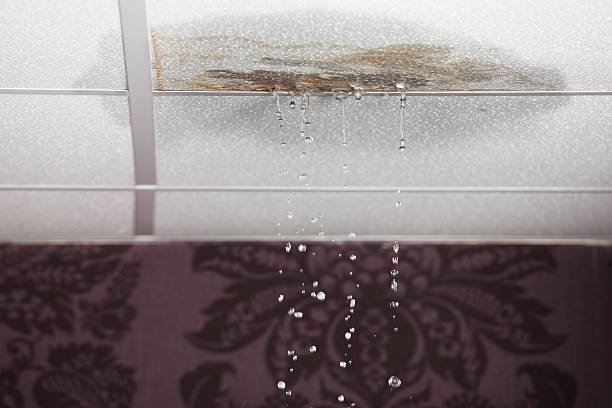
Water damage is a homeowner’s nightmare. It can transform a cozy nest into a damp and disastrous scene. A sudden deluge or a stealthy leak can cause severe damage to your home. But don’t let it drain your spirits! This handy guide guides you through what to do when water damage strikes.

STAY SAFE

The first thing to remember is your safety. If there’s a massive amount of water, turn off the electricity at the breaker panel to avoid electric shocks. Do not enter rooms with standing water if the power is still on. Protecting yourself with boots and gloves is essential as the water could be contaminated. It isn’t worth risking your life over some water damage. This is the most important step so that you can keep yourself and your family safe. 

IDENTIFY THE SOURCE

Once you’re secure, try to figure out the source of the water. If it’s a burst pipe or a leaky faucet, you can stop it by turning off the water supply. However, you’ll have to wait it out if it’s due to a storm.

DOCUMENT THE DAMAGE

Now, it’s time for some detective work! Use your smartphone to capture the damage. Take pictures or videos of all affected areas. This evidence will be invaluable when making an insurance claim. The more pictures you have, the better!!

CONTACT INSURANCE

As soon as you’ve documented the damage, reach out to your insurance provider. The sooner they know, the quicker they can start the claims process. Provide them with all the details and evidence you have collected. Water damage insurance claims can sometimes be a small task but is a necessary part of this step. 

START THE CLEANUP

While you’re waiting for the insurance company, you can start cleaning up. Remove any soaked items and put them somewhere to dry out. If there’s still water, you might need a pump to remove it. Be cautious while handling damaged items, as they can be fragile. 

DRY IT OUT

After the water is gone, start drying out the room. Open windows and doors to allow fresh air in. If you own a dehumidifier, use it to speed up the process. The faster you dry the area, the less chance of mold growth. You could also use fans to help air out the rooms affected. 

CHECK FOR MOLD

Mold is a sneaky enemy that thrives in damp environments. It can start growing within 24 hours of water damage. So, inspect every nook and cranny, especially hidden areas like inside walls or under floors.

CALL PROFESSIONALS

If the damage is extensive or mold is present, it might be time to call the experts. Professional water damage restoration services have specialized equipment and skills to clean and restore your home thoroughly.

DO REPAIRS

Once everything is clean and dry, you can begin repairs. This might involve replacing drywall, fixing leaky pipes, or retiling floors. Depending on the extent of the damage, you may need to hire contractors to complete the work.

PREVENTION MEASURES

After experiencing water damage, you’ll want to take steps to prevent it from happening again. Regular home inspections, keeping gutters clean, and installing water leak detectors are some preventive measures you can adopt.

CONCLUSION

Remember, the key is not to panic when water damage occurs. It can be a stressful experience and a very long process, but by acting quickly and following these steps, you can minimize the damage and restore your home to its former glory. Your house might be waterlogged, but with a little patience and perseverance, your spirit need not be!

Guest Contributor: Larsen Stephens

EXPLORING THE PROS AND CONS OF TANKLESS HOT WATER SYSTEMS

In recent years, tankless hot water systems have been gaining popularity as a more energy-efficient alternative to traditional tank-based systems. These modern systems are touted for their convenience and cost-effectiveness, but are they really the best choice for every household? In this article, we’re going to take a deep dive into the fascinating universe of tankless hot water systems. If you’ve been considering such a system for your own home or business, then you’re in the right place. We’ll be exploring both the advantages and drawbacks of these innovative systems, providing you with a balanced perspective to aid in your decision-making process.

Tankless hot water systems, also known as instantaneous or on-demand water heaters, are becoming increasingly popular in Australia due to their energy efficiency and compact size. However, like any piece of technology, they aren’t without their quirks. We’re going to unpack all of this and more, giving you a comprehensive understanding of what to expect.

We believe that making an informed decision is crucial when it comes to investing in home appliances, especially ones that play such a pivotal role in our day-to-day lives. That’s why we’ve put together this detailed exploration of tankless hot water systems. Whether you’re a homeowner looking to reduce your energy bills, or a business owner aiming for a greener footprint, this article is designed to guide you through the ins and outs of these modern systems.

Understanding Tankless Hot Water Systems

Tankless hot water systems, as their name suggests, do not store hot water in a tank. Instead, they heat water on demand, whenever you turn on a hot water tap. This is achieved through either a gas burner or an electric element which heats the water as it passes through the system.

Pros of Tankless Hot Water Systems

Energy Efficiency: One of the primary advantages of tankless systems is their energy efficiency. Traditional tank-based systems continuously heat and reheat water, resulting in significant energy loss. In contrast, tankless systems only heat water when required, saving you energy and money on your utility bills.

Unlimited Hot Water: With a tankless system, you’ll never run out of hot water. As long as there’s cold water supply, the system can provide a constant stream of hot water, perfect for large families or households with high hot water usage.

Lifespan: Tankless hot water systems generally have a longer lifespan compared to traditional systems. With proper maintenance, these systems can last up to 20 years, which is almost double the lifespan of tank-based systems.

Cons of Tankless Hot Water Systems

Installation Costs: The initial cost of installing a tankless system is significantly higher than that of a traditional system. You may also need to upgrade your home’s electrical system or gas pipeline to accommodate the new system, adding to the upfront costs.

Limited Hot Water Supply: Although tankless systems can provide an unlimited stream of hot water, they can only supply a certain amount at a given time. This means you may face issues if multiple hot water outlets are used simultaneously.

Maintenance: Regular maintenance is crucial for tankless systems to ensure their longevity and efficiency. This may include periodic descaling, especially in areas with hard water, which can add to the overall running costs.

Comparison with Traditional Tank-Based Systems

While tankless hot water systems are more energy-efficient and have a longer lifespan, traditional tank-based systems have their own advantages. They are cheaper to install, can supply hot water to multiple outlets simultaneously, and require less maintenance.

Making the Right Choice

Choosing between a tankless and traditional hot water system depends on your specific needs and circumstances. If you’re looking for energy efficiency and a constant supply of hot water, a tankless system might be the right choice. However, if you’re on a tight budget or have high simultaneous hot water usage, a traditional system may be more suitable.

In conclusion, while tankless hot water systems have numerous benefits, they also come with their own set of drawbacks. It’s essential to weigh these pros and cons before making a decision. Regardless of the choice you make, ensuring regular maintenance and efficient use can help you get the most out of your hot water system.

3 STEPS TO TRANSFORM YOUR LIVING SPACE INTO A SERENE SANCTUARY

In today’s fast-paced and hectic world, having a peaceful home is essential for promoting relaxation, well-being, and overall happiness. Your living space should be a sanctuary where you can unwind, recharge, and find solace from the stresses of daily life. Below, you will find three practical tips and strategies to transform your home into a tranquil and peaceful haven, fostering a sense of calm and harmony for you and your loved ones. 

1.   Choose Calming Colors

The choice of colors used in interior design can profoundly impact the overall atmosphere and mood of your home. When seeking to create a peaceful and tranquil living space, opting for calming colors is a powerful and effective strategy.

Color psychology studies the effects that different colors have on human emotions and behaviors. Calming colors are those that evoke a sense of tranquility, balance, and relaxation. They often have associations with nature, such as the sky, the ocean, or soft earth tones. The soothing properties of calming colors can help to reduce stress, lower blood pressure, and create a sense of overall well-being.


2.   Minimize Noise and Distractions

A peaceful home should be a place of tranquility. Minimize noise and distractions by using soundproofing materials if needed. Create dedicated quiet zones where family members can retreat when they need a moment of solitude and peace.

Moreover, as homeowners seek ways to improve their living spaces’ comfort and energy efficiency, secondary glazing emerges as a smart and practical home upgrade. Secondary glazing and noise reduction involve adding an additional layer of glazing to existing windows, creating a secondary barrier against external elements.


3.   Scent and Aromatherapy

The sense of smell can profoundly influence our emotions. Utilize aromatherapy by incorporating calming scents like lavender, chamomile, or eucalyptus into your home. Scented candles, essential oil diffusers, or dried herbs can add a soothing and comforting aroma to your living space.

Popular Calming Scents:

·       Lavender: Lavender is perhaps one of the most well-known calming scents. Its sweet, floral aroma has been scientifically proven to reduce stress and promote relaxation. Lavender essential oil can be used in diffusers or diluted in carrier oils for massages to induce a sense of tranquility and help improve sleep quality.

·       Chamomile: Chamomile, often associated with soothing herbal teas, has a calming effect when used as an essential oil. Its gentle and warm aroma can alleviate anxiety and promote a sense of inner peace.

·       Eucalyptus: Eucalyptus has a fresh, invigorating scent that can clear the mind and relieve mental fatigue. Its cooling properties can also help ease tension and headaches.

·       Sandalwood: Sandalwood has a rich, woody scent that promotes relaxation and a sense of grounding. It is often used in meditation practices to create a peaceful and centered state of mind.

·       Vanilla: Vanilla has a warm and comforting aroma that can evoke feelings of happiness and relaxation. Its sweet scent can be calming, especially in times of stress.


A peaceful home is a place of refuge where you can escape the chaos of the outside world and find tranquility within. By decluttering, embracing natural light, and incorporating calming colors, you can create a serene ambiance that promotes relaxation and well-being. Indoor plants, comfortable spaces, and mindfulness practices further enhance the peaceful atmosphere of your home. Minimizing noise and distractions and utilizing aromatherapy contribute to a holistic and harmonious living space. Embrace these strategies to transform your home into a peaceful sanctuary, a place where you can rejuvenate your mind, body, and soul.

5 BEAUTIFULLY SCENTED PLANTS FOR THE KITCHEN

By Judith Gallova

When you think of a beautiful kitchen, you probably think of delicious food and a warm, inviting atmosphere. But adding beautifully scented plants to your kitchen can enhance the ambience even more.

Here are five plants producing leaves, fruits, herbs, or fragrant flowers that will add a touch of beauty and fill your kitchen with refreshing scents. Plus, you can use all of these for cooking in one way or another.

1. CITRUS

Name: Citrus spp.
Thrives in: A bright location protected from drafts; non-humid with moist soil
Use it for: Leaves can be used for soups and various dishes; fruit can be used for cooking, baking, and refreshing beverages

Citrus plants like lemon and orange provide a refreshing, delightful aroma while blooming with dainty flowers. Your plant may even bear fruit if it grows long enough in the right conditions. Citrus takes a long time to grow from seed, though, so you may want to consider purchasing a young plant from a nursery to speed up the process.

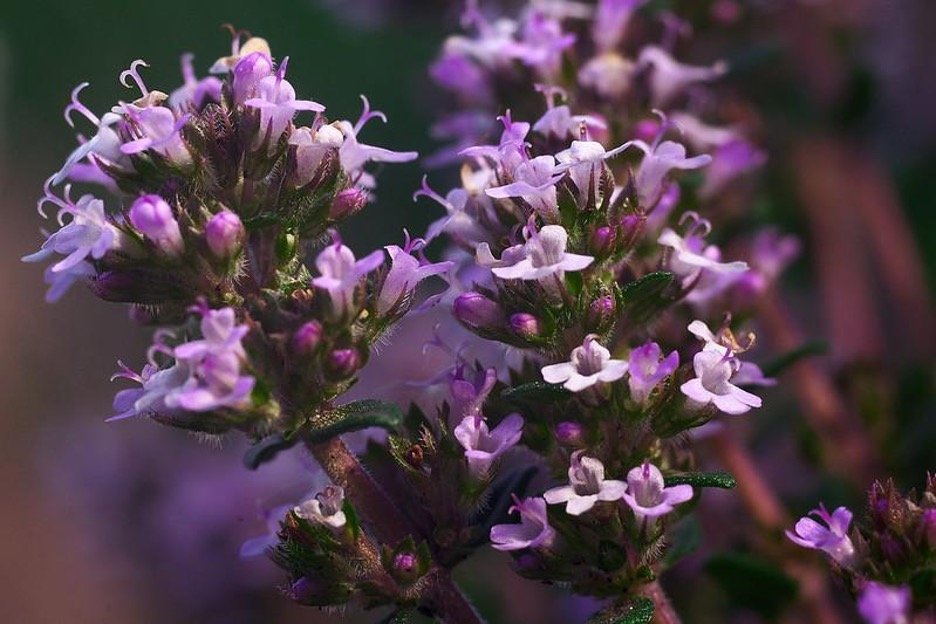
2. THYME

Name: Thymus vulgaris
Thrives in: Well-drained soil; needs minimum maintenance
Use it for: Meats, vegetables, soups, and savory dishes of almost all kinds

Thyme is the first of the three easy-to-grow herbs we’ll mention in this article. It’s not only richly fragrant but also tasty. Thyme leaves are small and delicate, so it’s best to add them at the end of the cooking process to preserve their flavor. You’ll be glad to know that the plant can stay green all year if you provide the minimum care it needs.

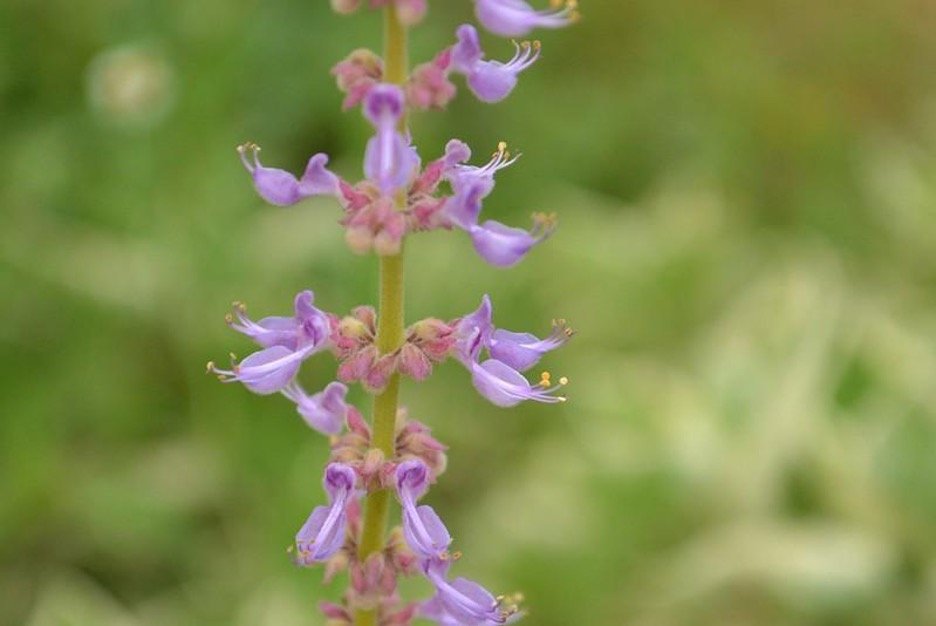
3. CUBAN OREGANO

Name: Plectranthus amboinicus
Thrives in: Medium to bright spots with no drafts; evenly moist, well-drained soil
Use it for: Meats, marinades, salsas, sautees, Caribbean dishes

Cuban oregano isn’t what its name suggests. Rather, it’s thought to be from parts of southern and eastern Africa and isn’t technically even an oregano plant. Nevertheless, it’s a popular choice for kitchens due to its strong aroma, which resembles a mix of oregano and mint. The plant grows rapidly, and its leaves can be used to add a burst of flavor to various dishes.

4. ROSEMARY

Name: Salvia rosmarinus
Thrives in: Well-draining soil, sunlight
Use it for: Vegetables like potatoes, meats, bread


One more herb on our list is rosemary. Rosemary is a perennial herb that’s known for its needle-like leaves and woody stems. It’s a healthy herb that’s easily utilized for cooking. Rosemary adds a distinct and aromatic flavor to chicken, enhancing its taste and adding a piney flavor. One of the prime examples of using rosemary is when cooking poultry.

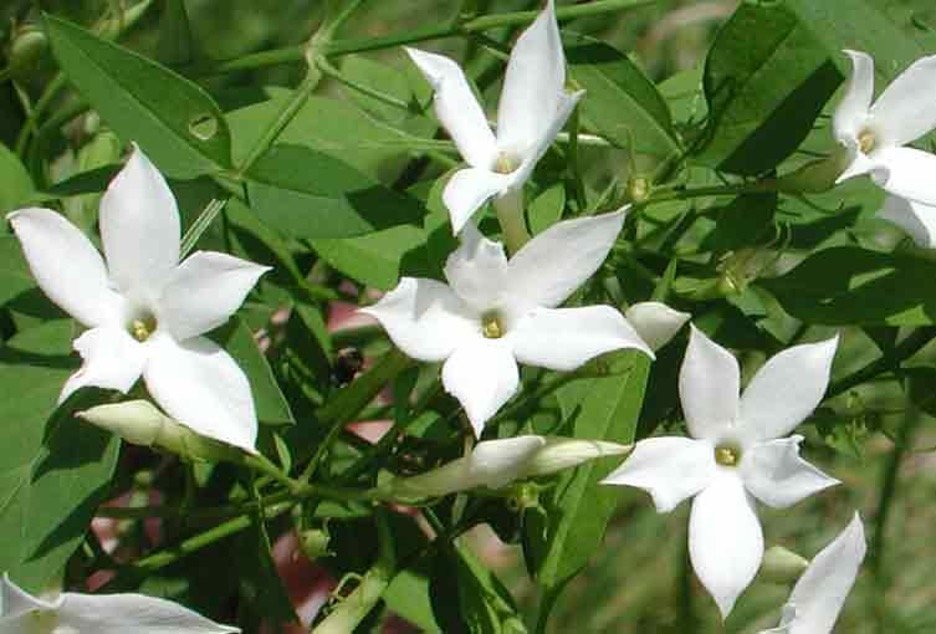
5. JASMINE

Name: Jasminum spp
Thrives in: Well-draining but moist soil, full sun to partial shade; near window
Use it for: Tea

Last but not least on our list is jasmine. Jasmine produces beautiful blossoms that not only smell sweet but also make a delicious tea. There are various kinds of jasmine flowers, so you can pick the one that best fits your preferences.

ADD SOME BEAUTIFULLY SCENTED PLANTS TO YOUR KITCHEN

These five fragrant, edible plants are an excellent choice for your kitchen. Some of them, like herbs, add not only aroma to your home but also flavor to your meals. Whether you’re a seasoned chef or just starting out, incorporating various new flavors into your cooking can elevate your culinary creations.

When it comes to other plants, like jasmine, they make a healthy and delicious tea.

Then again, if you pick citrus, you get the whole package; its leaves can be used for meals, while the fruit is great for both foods and beverages.

Whether you’re sprucing up your existing kitchen or wrapping up a kitchen remodeling project, a little greenery, fresh scents, and plants you can add you can use in your cooking are a nice homey touch.

So go ahead and see which plants best fit your kitchen as well as your personal taste.

Judith Gallova is a freelance writer who found her passion for writing when she created her first blog at the age of 10. In her free time, she often goes to the gym, spends time with loved ones, and enjoys all things art and design.