HOW TO PROLONG THE LIFETIME OF TOOLS & OTHER EQUIPMENT

Tools and equipment are very valuable assets that often require large financial expenditures. Saving money is just one benefit of ensuring their lifespan; improving their productivity and efficiency are also important factors. A tool that has been properly maintained not only has a longer lifespan but also carries out its intended purpose with greater efficiency. This manual elucidates the procedures that must be taken to improve the longevity of tools and other pieces of equipment.

WAYS FOR PRESERVING YOUR EQUIPMENT AND TOOLS FOR LONGER USE

REGULAR CLEANING IS PARAMOUNT

Tool durability and performance suffer greatly when dirt, grit, and grime are exposed. Rust and corrosion form on uncleaned and moist metal instruments, reducing their usefulness and shelf life. Accumulated dirt can obstruct vents, which can cause electrical devices to overheat and malfunction. Maintaining the effectiveness of your instruments requires regular cleaning after each use, which is for more than simply hygiene. The instrument’s integrity must be maintained, and accidental damage avoided at all costs; thus, choosing the right cleaning solutions and techniques is essential.

STORAGE SOLUTIONS MATTER

How tools and equipment are kept in storage has a major impact on how long they last and how well they function. Many instruments can be damaged by being left out in the sun or exposed to dampness, so keeping them in a dry, cold area is essential. Toolboxes, cabinets, and specialty racks are all good options for storing tools safely and neatly out of the way. Temperature variations are harmful to battery health. Therefore, it’s best to keep battery-powered devices in a temperature-controlled environment. The tools will last longer and be in top shape whenever they are required if they are stored properly.

ROUTINE MAINTENANCE CHECKS

Checking up on tools and machinery regularly is a preventative measure that ensures they stay in top shape. Lubricating moving parts regularly lowers friction and wear, and tightening any loose components helps avoid breakdowns in operation. Precision measuring and cutting instruments need regular calibration to maintain their accuracy. Power-dependent devices should have their cables checked for damage, batteries tested, and motors checked for proper operation regularly. These preventative maintenance inspections keep the equipment running well, protect users from harm, and save money on repairs.

ORGANIZERS AND SEPARATORS FOR TOOLS & EQUIPMENT

Prolonging the lifetime of tools and equipment involves more than maintenance; it’s about smart storage too. Incorporating organizers and separators can significantly contribute to longevity. By employing truck tool box accessories, such as compartmentalized trays and foam dividers, you can keep tools neatly arranged and well-protected during storage and transportation. This minimizes friction, impact, and exposure to elements, reducing wear and tear. Organizers also facilitate quick visual identification, preventing unnecessary handling and potential damage. By integrating these solutions into your maintenance routine, you optimize efficiency and ensure your tools and equipment remain reliable and functional over the long haul.

STAY UPDATED WITH MANUFACTURER GUIDELINES

Manufacturers often spend considerable time and energy researching the best ways to care for their items and then offering in-depth instructions. The purpose of these rules is to maximize the equipment’s useful life and performance. Following these guidelines will assure the tool’s or equipment’s continued optimal performance and safety and increase its lifespan. Additionally, staying informed about manufacturer updates is crucial. This practice guarantees that consumers are always utilizing the most current and secure version of the product, thanks to the swift management of recalls, updates, or upgrades.

TRAINING AND PROPER HANDLING

It is essential to teach people how to use things safely and effectively if you want them to last. Individuals can save money and time by properly caring for their equipment and avoiding careless actions like dropping or abusing them. The tool and the user’s safety depend on proper maintenance and appropriate protective gear while working with potentially hazardous materials. In-depth training sessions can teach workers how to use and care for each device properly. Tools are more likely to be kept in good working order for longer if their users are properly trained to recognize and avoid accidentally damaging them.

CONCLUSION

A combination of careful maintenance, sensible operation, and well-informed choices may help extend the useful life of tools and machinery. It goes beyond simple upkeep; it’s about safeguarding the value and usefulness that these instruments provide to the activities that are being carried out. Individuals and companies may guarantee that their tools continue to be functional and efficient by adopting the tactics mentioned above, providing many advantages in terms of both their productivity and their cost-effectiveness.

Guest Contributor: Stephanie Snyder
COZY FALL DIY ACTIVITIES

What better way to celebrate this season of change than by engaging in do-it-yourself (DIY) activities that capture the essence of autumn? From crafting to decorating, here are some delightful DIY projects that will help you infuse your surroundings with the magic of fall.

1. LEAF PRESSING ART:

Capture the beauty of nature’s changing hues by creating leaf pressing art. Gather colorful leaves from your backyard or a local park, place them between sheets of wax paper, and press them using heavy books. Once they’re dried and flattened, arrange the leaves into creative designs and frame them for a stunning piece of autumn-inspired decor.

Source: https://beautifuldawndesigns.net/diy-candles-that-make-great-gifts/

2. PUMPKIN SPICE CANDLES:

The scent of pumpkin spice is synonymous with fall. Craft your own pumpkin spice candles by melting candle wax and adding pumpkin spice-scented oil. Pour the scented wax into mason jars or vintage teacups, insert candle wicks, and let them cool.

3. WREATH MAKING:

Design a welcoming fall wreath to adorn your front door. Use materials like faux leaves, pinecones, acorns, and burlap ribbon to create a wreath that embodies the rustic charm of the season.

Source: https://onelittleproject.com/mason-jar-leaf-lanterns/

4. MASON JAR LANTERNS:

Transform simple mason jars into enchanting lanterns that cast a warm glow on your fall evenings. Coat the inside of the jars with a mixture of white glue and water, then add a few drops of orange or yellow food coloring. Once dry, place battery-operated tea lights inside and watch as these DIY lanterns create a cozy ambiance.

5. KNITTED OR CROCHETED ACCESSORIES:

If you enjoy knitting or crocheting, fall is the perfect time to create cozy accessories like scarves, mittens, and hats. Choose yarns in earthy tones and rich colors to embrace the season’s palette.

6. HARVEST-THEMED CENTERPIECES:

Decorate your dining table or mantel with harvest-themed centerpieces. Fill wooden crates, baskets, or vintage containers with gourds, mini pumpkins, dried corn, and autumn flowers like sunflowers and mums. You can also incorporate elements like cinnamon sticks and cloves for a delightful scent.

7. FALL-THEMED MASON JAR LUMINARIES:

Create captivating luminaries by decorating mason jars with fall-themed designs. Paint the jars with acrylic paint in shades of orange, brown, and gold. Once dry, use stencils or freehand drawing to add leaf motifs or other autumn symbols. Place tea lights or battery-operated candles inside to cast a warm glow.

Source: https://www.littleyellowwheelbarrow.com/how-to-make-potpourri/

8. APPLE CIDER POTPOURRI:

Bring the scent of apple orchards indoors by making your own apple cider potpourri. Combine dried apple slices, cinnamon sticks, whole cloves, and orange peel in a bowl. Sprinkle a few drops of cinnamon or apple-scented essential oil and let the mixture infuse your home with the inviting aroma of fall.

9. HAND-PAINTED PUMPKINS:

Put a creative spin on traditional pumpkin carving by hand-painting your pumpkins. Use acrylic paints to craft intricate designs, geometric patterns, or even whimsical characters. You can also experiment with metallic paints for a touch of glamour.

10. FALL-THEMED TABLE SETTINGS:

Elevate your fall gatherings with DIY table settings that reflect the season’s beauty. Craft your own place cards using pressed leaves and calligraphy, or tie bundles of cinnamon sticks and dried herbs with twine to use as rustic napkin rings.

These DIY activities provide a wonderful way to immerse yourself in the spirit of fall and infuse your surroundings with the colors, scents, and textures that make this season so special. Whether you’re crafting alone or involving family and friends, these projects are sure to bring joy and a sense of accomplishment as you celebrate the magic of autumn.

FALL CURB APPEAL: ENHANCING YOUR HOME’S EXTERIOR FOR THE SEASON

Fall is a wonderful time of year to enhance your home’s curb appeal and create a warm, inviting atmosphere for both residents and visitors. As the leaves change color and the air becomes crisp, here are some tips to help you enhance your home’s exterior for the fall season:

DECORATE WITH SEASONAL PLANTS AND FLOWERS:

Incorporate the rich and vibrant colors of fall by adding seasonal plants and flowers to your front yard and entryway. Consider mums, asters, pansies, and ornamental cabbage or kale. These plants not only add visual interest but also thrive in cooler temperatures.

PUMPKINS AND GOURDS:

Nothing says fall like pumpkins and gourds. Place them on your porch steps, along pathways, or even on window sills. You can also get creative with different shapes, sizes, and colors to match your overall design theme.

FALL WREATHS AND DOOR DECOR:

A fall-themed wreath on your front door can instantly set the mood for the season. Whether it’s made of dried leaves, pinecones, or other autumn elements, a wreath adds a welcoming touch.

Source: https://kelleynan.com/fall-porch-decor/

WARM LIGHTING:

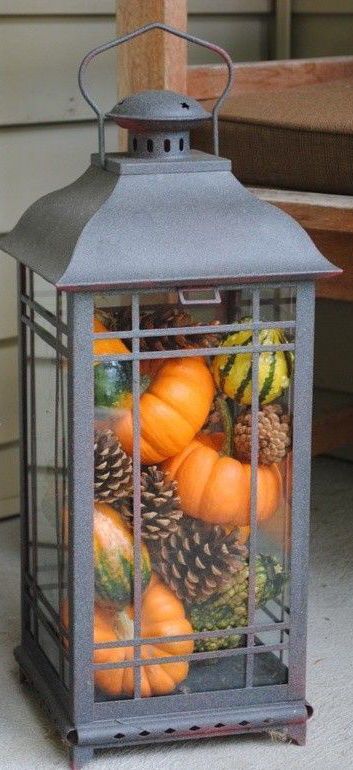
As the days get shorter, consider adding warm lighting to your exterior. String lights, lanterns, and well-placed spotlights can create a cozy and inviting ambiance in the evenings.

MAINTAIN LAWN AND LANDSCAPE:

Keep your lawn well-maintained by raking leaves regularly and trimming any overgrown bushes or trees. A neat and tidy yard provides a clean backdrop for your fall decorations.

FALL-COLORED ACCENTS:

Incorporate fall colors into your exterior decor. Use items like outdoor cushions, throw blankets, and decorative pillows in shades of orange, red, and brown to add warmth and comfort to your outdoor seating areas.

Source: https://town-n-country-living.com/fall-decorating-ideas-boost-curb-appeal.html

HARVEST DISPLAYS:

Create harvest-inspired displays with items like hay bales, cornstalks, and rustic crates. These elements can be strategically placed around your porch or entryway to enhance the fall aesthetic.

FRONT DOOR MAKEOVER:

If your front door could use a refresh, consider giving it a new coat of paint in a rich, fall-inspired color such as deep red, warm orange, or earthy brown. Make sure the color complements your home’s overall exterior.

OUTDOOR SEATING AREA:

Make your outdoor seating area more inviting by adding comfortable seating, cozy blankets, and fall-themed throw pillows. This provides a perfect spot to enjoy the changing leaves and crisp air.

Source: https://farmhousehub.com/best-outdoor-fall-decor/

SEASONAL DOORMATS:

Welcome guests with a seasonal doormat that reflects the fall theme. Look for mats with autumn motifs or messages that capture the spirit of the season.

Remember that the key to successful fall curb appeal is to create a harmonious and cohesive look. Choose a theme or color palette that suits your personal style and complements your home’s architecture. By paying attention to the details and embracing the beauty of the season, you can transform your home’s exterior into a charming and inviting autumn retreat.

PEST INFESTATION IN YOUR HOME? HERE’S HOW TO ADDRESS IT

If you think you might have a pest infestation in your home, there are a number of different methods to help get rid of pests and avoid future infestations. We’ll be covering these methods and walking you through the process of dealing with a pest infestation with some top tips and strategies. Keep reading to discover more.

Professional Assistance

Seeking professional assistance for pest infestations is essential for your peace of mind and effective resolution. When you enlist experts, you benefit from their knowledge and experience in identifying and tackling various pests. Professionals use targeted strategies, ensuring the problem is thoroughly addressed. They apply safe and regulated treatments, minimizing risks to your health and the environment. Your time and effort are saved, as professionals efficiently manage complex infestations. Moreover, they offer guidance on preventive measures, helping prevent future outbreaks. Ultimately, relying on professionals guarantees a comprehensive and lasting solution, allowing you to reclaim a pest-free and comfortable living space. Hiring an exterminator is a good solution if other methods have failed to get rid of pests and it’s causing a health concern.

Sealing Off Entry Points

Sealing entry points is vital to keep pests out. Inspect your home’s exterior for gaps, cracks, and openings, especially around windows, doors, and utility lines. Use caulk, weather stripping, or wire mesh to seal gaps. Install door sweeps and ensure windows have tight screens. Seal openings around pipes and cables with appropriate materials. The more difficult it is for pests to enter a home, the less likely it will be that they will lead to an infestation.

Outdoor Management

Effective outdoor management is key to preventing pest infestations. Trim vegetation near your home to eliminate hiding spots for pests. Regularly clean up fallen leaves, debris, and standing water to deter breeding grounds. Maintain a proper distance between plants and your house to prevent pests from using them as bridges. Store firewood and outdoor belongings away from your home, as they can attract pests seeking shelter. Fix any leaky outdoor faucets and address drainage issues to prevent excess moisture.

Humane Traps

Humane traps are ethical alternatives for pest control. These traps capture pests without harm, allowing for their safe release away from your property. They are available for various pests, from mouse traps to even insect traps. After capture, remember to release pests far enough away from your home to prevent their return.

Thorough Cleaning

Thorough cleaning plays a vital role in preventing infestations. Regularly clean your home, eliminating crumbs, spills, and food residue that attract pests. Vacuum, sweep, and mop floors, and wipe down surfaces. Pay attention to hidden areas like under appliances and furniture. By removing potential food sources and hiding spots, you create an environment that’s less appealing to pests, reducing the risk of infestations taking hold.

Natural Repellents

Natural repellents offer eco-friendly ways to deter pests. Essential oils like peppermint, lavender, and eucalyptus are effective against insects. Placing cedar blocks in closets can discourage moths and beetles. Diatomaceous earth is a non-toxic powder that damages pests’ exoskeletons. Vinegar and water solutions help repel ants and spiders. Planting marigolds, chrysanthemums, or mint around your garden can discourage outdoor pests. While these remedies are generally safe, remember to test them in small areas and be cautious if you have allergies or pets.

SOLVING COMMON PLUMBING PROBLEMS WITH INNOVATIVE NEW PRODUCTS

Imagine a world where your plumbing system knows what you need, as if by magic. Nowadays, plumbing is no longer about repairing leaks and unclogging drains. It is a world of innovative ideas that make life easier, water better, and the environment healthier. From touchless faucets to clever sensors that protect your pipes, this is the time when plumbing and innovation come together excitingly.  

Let us look at some groundbreaking innovations and how they can make a difference in your plumbing system.  


Touchless Plumbing: Embracing the Future 

Touchless plumbing fixtures have rapidly gained popularity for a good reason. These fixtures bring many benefits, including convenience, enhanced control, cost savings, and improved energy efficiency. Touchless fixtures use sensors that detect user presence, eliminating the need for direct touch. 

These touchless fixtures are discreetly built into sinks, toilets, and urinal stations—suiting locations experiencing heavy usage, such as public washrooms, medical facilities, and transportation hubs. Within such settings, contactless mechanisms reduce the risk of cross-contamination while helping ensure stringent cleanliness standards. This reassures individuals utilizing the spaces of their well-being when automated operations reduce direct physical contact. 


Next-Generation Filtration Systems: Elevating Water Quality   

Water treatment systems determine water quality within a building’s plumbing system. By effectively removing contaminants and impurities, these systems ensure that the water flowing through our taps is safe for consumption. The installation can occur at entry points or individual fixtures, depending on the property owner’s requirements.  

These systems offer more than just water safety; they extend the lifespan of plumbing fixtures and appliances by minimizing mineral and sediment buildup in the pipes. Water treatment systems optimize water quality and reduce the need for repairs and replacements, presenting a sustainable approach to plumbing maintenance.  


Green Plumbing: Sustainable Solutions for the Future 

Green plumbing shines as a symbol of sustainability in a world where people are more aware of how their actions affect the environment. Greywater systems are a part of this movement, reusing water from showers and sinks to help plants grow. This way, water is not wasted but put to beneficial use.  

Rainwater harvesting is another way to be eco-friendly. Large barrels connected to hoses collect rainwater, which you can use for cleaning and gardening. This approach is about using water wisely and caring for our planet.  

This eco-friendly plumbing approach tackles the worries of water scarcity while reducing unnecessary water use. It emphasizes how innovation and being environmentally friendly can work harmoniously to protect our planet for future generations.  


Smart Sensors: Predicting and Preventing Issues 

Besides touchless faucets, technology is delving deeper into plumbing with the arrival of smart sensors. These inconspicuous gadgets act like watchful guardians, keeping an eye on every aspect of your plumbing system. They can detect leaks, shifts in humidity, and temperature changes—sending instant alerts to homeowners and plumbers.  

Their early detection helps prevent minor issues from turning into expensive repairs. Moreover, these clever sensors can also track how much water flows, empowering people to make informed choices about their water use and conservation efforts. With smart sensors, your plumbing becomes more competent and efficient—making life easier and more efficient.  


Pipe Rehabilitation: Reinventing Pipe Repair   

Pipe issues can wreak havoc daily, but revolutionary pipe rehabilitation technologies are turning the tide. Methods like trenchless pipe lining, pipe bursting, and cured-in-place pipe (CIPP) lining provide innovative solutions for addressing damaged tubes. These techniques minimize disruptions by eliminating the need for extensive excavations.  

Pipe rehabilitation technologies effectively combat leaks, blockages, and corrosion while ensuring minimal disturbance to property and routine. This change highlights how plumbing is improving, focusing on making things simple and dependable.  


Access Doors: Sealing the Path to Safety and Accessibility 

Access doors, a rising star in plumbing innovation, solve a crucial problem: providing secure and convenient access to hidden spaces. These doors, like the Acudor A-FPS flood-tight floor panel, effectively seal off areas vulnerable to water ingress, gas infiltration, or odor transmission. Imagine a basement prone to flooding or a room with hazardous gases—these access doors act as a barrier, preventing air and moisture from entering the floor.  

They make things safer and more accessible for maintenance, allowing quick and effective checks. These doors show how innovative plumbing ideas can solve real problems by being practical and creative at the same time. With their seamless integration into various spaces, access doors embody modern plumbing’s commitment to enhancing both convenience and safety for homeowners.  


Final Thoughts 

These innovative ideas make a significant difference in a world where plumbing is becoming more creative and effortless. From faucets that work without touching to sensors that catch problems early, these new products are changing how we use water in our homes.  

Incorporating these innovative plumbing solutions is about fixing problems and making positive changes that enhance your daily life. With touchless faucets, you can prevent the spread of germs effortlessly. Improved filters ensure clean water for better health. Smart sensors save you money and time. Embrace these advancements for a more positive, sustainable, and convenient plumbing experience. Be a part of the future of plumbing and enjoy a better life. 

Guest Contributor: Chris Jackson

SUSTAINABLE PLUMBING SOLUTIONS FOR A GREENER FUTURE

As concerns about environmental sustainability grow, households and businesses seek ways to lessen their impact. Plumbing systems, integral to daily life, offer impactful yet overlooked opportunities for change.   

By examining water conservation methods, energy-efficient designs, and environmentally friendly materials, this article will demonstrate how sustainable plumbing innovations can significantly contribute to water and energy savings while benefitting the environment. 


Understanding Sustainable Plumbing 

Sustainable plumbing solutions provide plumbing methods that prioritize environmental consciousness and effectiveness. These solutions rest upon several fundamental principles: conserving water, maximizing energy efficiency, and utilizing materials that are kind to the environment. Let’s delve deeper into each of these guiding principles. 


Conserving Water 

One effective way to help the environment with plumbing is to use less water. You can start by installing faucets and fixtures that use less water, reducing water use by 25-60%. For example, innovative toilets use only a little water each time you flush, while normal toilets use a lot more.  

This can save a lot of water every year in a regular home. In the following sections, we will discuss low-flow fixtures and rainwater harvesting systems and how they provide water conservation: 

1. Low-Flow Fixture Installation 

The journey towards sustainable plumbing begins with a simple yet effective step – installing low-flow fixtures. These innovative fixtures aim to lower water consumption while still providing the desired results. Traditional fixtures allow a higher volume of water to flow, leading to wastage. On the other hand, low-flow toilets, showers, and faucets are engineered to limit water flow while still providing a satisfying experience. Here are the different categories of low-flow fixtures: 

Low-Flow Toilets: Conventional toilets traditionally expend between 3.5 to 7 gallons of water per flush. In contrast, low-flow toilet variants typically consume 1.6 gallons or less per flush. Innovative models offer a dual-flush feature, giving users a choice between a higher-volume flush and a lower-volume alternative. 

Low-Flow Showers: Ordinary showers exhibit water flow rates of 2.5 to 5 gallons per minute. On the other hand, low-flow showerheads maintain around 1.5 gallons per minute or less. Despite their lesser volume, these showerheads have advanced engineering to hold water pressure, ensuring a satisfactory shower experience. 

Low-Flow Faucets: Unlike traditional faucets, which usually release water at a rate of 2.5 to 3.5 gallons per minute, people design low-flow faucets to limit this flow to around 1.5 gallons per minute or even less. This specific characteristic effectively reduces unnecessary water consumption during everyday tasks like washing hands and cleaning dishes. 

2. Rainwater Harvesting Systems 

Harvesting rainwater that falls on your roof is another strategy to consider for water conservation. You can save water and use it later for your plants. This helps you use less water from the city. If your roof is about the size of a 1,000-square-foot area, you can catch approximately 600 gallons of water for every inch of rain. A rainwater harvesting system typically consists of several components working together seamlessly: 

  • Roof Collection: You can collect rainwater from the roof of your building. The rooftop is a catchment area, channeling rainwater to gutters and downspouts. 
  • Gutters and Downspouts: Gutters and downspouts guide rainwater from the roof to storage tanks or cisterns. These components ensure that rainwater is efficiently directed to the collection point. 
  • Storage Tanks or Cisterns: You can store rainwater in above-ground or underground tanks, as well as within the building’s structure, using cisterns. Depending on your unique water usage requirements, select from different-sized water storage units. 
  • Filtration and Purification: Before you use rainwater, it goes through a filtration and purification process to remove debris, sediment, and potential contaminants. Filtration systems ensure that the collected rainwater is suitable for its purposes. 
  • Distribution System: Once filtered and purified, you can distribute rainwater to various areas for non-potable uses. Typical applications include irrigation, toilet flushing, laundry, and outdoor cleaning. 


Maximizing Energy Efficiency 

Opting for energy-efficient plumbing systems and fixtures can substantially impact your energy expenses and environmental footprint. Some of these are: 

  • On-Demand Water Heaters: Unlike conventional water heaters that maintain hot water continuously, on-demand heaters warm water only when required. This approach can result in notable energy savings as you avoid heating water unnecessarily. 
  • Insulated Pipes: By insulating your pipes, you can prevent heat loss as water moves from the water heater to the faucets. This ensures that hot water reaches your tap more swiftly, minimizing the need to run the water and wait for it to warm. You should regularly check your pipes for leaks. And if they are stored beneath the flooring, you may install access doors like the BA-A-FPS flood-tight floor access door for secure entry. 
  • Smart Technologies and Sensors: Incorporating smart technologies and sensors can take energy efficiency to the next level. These systems can optimize water usage based on occupancy and behaviors. For instance, they can adjust water temperature and flow based on real-time needs, further conserving energy and water. 


Utilizing Environmentally Friendly Materials 

Choosing durable materials for your plumbing system can also contribute to environmental sustainability: 

  • CPVC and PEX Pipes: These materials emit fewer emissions during production than traditional copper or steel pipes. They reduce the carbon footprint associated with your plumbing system. 
  • Eco-Friendly Fixtures: Opt for fixtures made from recycled plastics and low-VOC sealants/adhesives. These choices help minimize the use of new resources and decrease indoor air pollution. 
  • Avoiding Contaminants: Some materials, like copper, can leach contaminants into drinking water over time. Choosing materials with minimal leaching helps ensure the long-term quality of your water. 

Making these material choices aligns with circular economy principles, as they prioritize reusability and recyclability at the end of the plumbing system’s life cycle. 


Final Thoughts 

Sustainable plumbing presents a compelling yet low-cost way for households and businesses to support environmental goals through resource conservation, material selectivity, and energy efficiency. The impact of these solutions makes plumbing infrastructure an untapped ally in efforts to build a cleaner and greener future. With awareness and implementation, sustainable plumbing practices can make meaningful progress on sustainability issues. 

 Guest Contributor: Chris Jackson

FLORIDA LAWS ABOUT BREAKING A LEASE AGREEMENT

Picture this: You’ve found the perfect slice of paradise in the Sunshine State, settled into your cozy rental, and life seems to be flowing smoothly. But then, unexpected twists come knocking, and you find yourself contemplating the daunting possibility of breaking your lease agreement. Before panic sets in, take a deep breath, and let’s dive into the crystal-clear waters of Florida’s laws governing lease breakage. In this easy-to-follow guide, we’ll unravel the mysteries of tenant and landlord rights, notice periods, security deposits, and more, making sure you’re well-equipped to chart your course within the bounds of the law. So, whether you’re basking in the beauty of the Florida Keys or strolling through Miami’s vibrant streets, you’ll have the legal lowdown you need.


1. Valid Reasons for Breaking a Lease

Florida rental law recognizes certain circumstances that allow tenants to break a lease agreement without facing penalties. These circumstances include: 

a. Active Military Duty: If a tenant who is a member of the armed forces receives orders for deployment, permanent change of station, or military duty for a period exceeding 30 days, they have the right to terminate their lease without repercussions. 

b. Unsafe or Uninhabitable Conditions: Tenants have the right to break a lease if the property becomes uninhabitable due to safety or health issues that the landlord fails to address promptly. Such conditions could include severe mold growth, plumbing issues, or the lack of essential utilities.

c. Landlord Harassment or Violation of Privacy: If a landlord repeatedly violates a tenant’s privacy or harasses them, the tenant may have legal grounds to terminate the lease.


2. Giving Notice 

Florida law requires tenants to provide written notice to their landlord before breaking a lease agreement. The notice period is typically 7 days for a week-to-week lease, 15 days for a month-to-month lease, and 60 days for a year-long lease. The notice should clearly state the tenant’s intention to terminate the lease and the reason for doing so, if applicable.


3. Landlord’s Responsibility to Mitigate Damages

In Florida, landlords have a legal duty to mitigate the damages caused by a tenant breaking a lease. This means that once a tenant provides notice of lease termination, the landlord must make reasonable efforts to find a new tenant. The outgoing tenant is only responsible for rent payments until a new tenant is secured, reducing the financial burden on both parties.


4. Security Deposit and Lease Termination Fees

Tenants are entitled to the return of their security deposit in accordance with Florida law. The landlord has 15 days after the lease termination date to return the deposit or provide an itemized list of deductions for damages beyond normal wear and tear.

However, it’s important to note that landlords are not allowed to charge exorbitant lease termination fees. Any such fees should be clearly outlined in the lease agreement and must be reasonable and reflective of actual damages incurred by the landlord.


5. Subletting and Assignment

In Florida, tenants have the right to sublet their rental unit or assign the lease to another individual, as long as the lease agreement doesn’t explicitly prohibit it. Subletting involves the original tenant finding a replacement tenant to occupy the unit temporarily, while assignment entails transferring all lease rights and responsibilities to a new tenant.

It’s important for tenants to follow the proper legal procedures and obtain the landlord’s consent, if required, before subletting or assigning the lease.


6. Legal Recourse for Landlord Violations

Tenants who believe their landlord is in violation of the lease agreement, Florida’s landlord-tenant laws, or who are facing retaliation for legitimate complaints, have the right to seek legal remedies. This can include filing a complaint with the local housing authority or pursuing a lawsuit against the landlord for damages.


Conclusion

Breaking up might be hard to do, but breaking a lease agreement in the Sunshine State doesn’t have to be a murky affair. Florida’s laws provide a clear path for tenants and landlords alike, ensuring fairness and understanding in what can be a challenging situation. Remember, whether you’re sun-soaked in Sarasota or exploring the theme parks of Orlando, knowing your rights and responsibilities can make all the difference. So, if life throws you a curveball that requires a lease break, you’re now armed with the knowledge to navigate these waters smoothly and confidently. By adhering to the legal guidelines, communicating openly, and seeking advice when needed, you’ll not only weather the storm but also set sail for new horizons, secure in the knowledge that you’ve upheld your rights and obligations as a responsible tenant or landlord. Here’s to a brighter and well-informed rental journey ahead!

Guest Contributor: Amelia Brown

COMMON MISTAKES HOMEOWNERS MAKE WITH THEIR HVAC SYSTEMS

Maintaining a well-operating HVAC (Heating, Ventilation, and Air Conditioning), system is pivotal for upholding indoor comfort and air quality within your residence. Nonetheless, inadvertent mistakes by homeowners can lead to inefficiencies, discomfort, and even expensive repairs. In this article, we will delve into the prevalent blunders homeowners commit with their HVAC systems and provide insights into circumventing them.

OVERLOOKING ROUTINE MAINTENANCE

One of the most notable errors homeowners commit is neglecting regular maintenance for their HVAC systems. Consistent maintenance, encompassing tasks such as changing air filters, cleansing coils, and monitoring refrigerant levels, is indispensable for ensuring peak performance and the longevity of HVAC systems. Neglecting maintenance can result in decreased efficiency, escalated energy bills, and untimely system malfunctions. To sidestep this mistake, arrange periodic professional maintenance through reputable HVAC installation services and maintenance services. It is also important to adhere to manufacturer-recommended guidelines for self-maintenance.

DISREGARDING AIR FILTER CHANGES

Air filters play a pivotal role in preserving indoor air quality and preventing debris from clogging HVAC systems. Ignoring air filter replacements or utilizing subpar filters can lead to constrained airflow, compelling the system to work harder and potentially triggering respiratory problems. Homeowners should swap filters every 1-3 months, contingent on usage and filter type. Regular replacements not only heighten indoor air quality but also augment system efficiency.

SETTING EXTREME THERMOSTAT LEVELS

Constantly configuring your thermostat to extreme temperatures, be it excessively high during winters or overly low in summers, strains your HVAC system and can result in elevated energy consumption. Instead of abruptly altering the thermostat, contemplate establishing a comfortable temperature range that enables your system to function efficiently without undue strain. Investing in a programmable thermostat can also facilitate optimizing comfort and energy conservation by tailoring temperatures to your routine.

OBSTRUCTING VENTS AND REGISTERS

Blocking vents and registers with furnishings, drapes, or other objects impedes airflow and disrupts the equilibrium of your HVAC system. This can lead to irregular heating or cooling throughout your dwelling and compel your system to toil harder to maintain desired temperatures. To evade this pitfall, ensure vents and registers remain unobstructed to foster proper air circulation.

NEGLECTING INSULATION AND SEALING

Adequate insulation and sealing are pivotal for upholding a pleasant indoor ambiance. Without ample insulation, your HVAC system will be compelled to work overtime to counterbalance heat or cold loss, culminating in energy waste. Scrutinize for drafts around apertures like windows and doors, and contemplate enhancing insulation in areas such as your attic, walls, and flooring. Competent insulation and sealing can markedly alleviate the burden on your HVAC system and amplify energy efficiency.

SHUTTING VENTS IN INACTIVE ROOMS

Certain homeowners presume that closing vents in disused rooms conserves energy, yet this can paradoxically lead to the opposite outcome. Contemporary HVAC systems are designed to operate harmoniously throughout the entire abode, and shuttering vents disrupt this equilibrium, fostering pressure imbalances and potentially impairing the system. As opposed to shuttering vents, contemplate the employment of zoning systems, which allow for more precise temperature control in designated areas.

OVERBURDENING YOUR HVAC SYSTEM

Operating your HVAC system continuously at maximal capacity can hasten excessive wear and tear, curtailing its lifespan and efficiency. In more temperate weather, mull over utilizing natural ventilation strategies such as opening windows to grant your system a reprieve. Furthermore, incorporating ceiling fans can aid in the better dispersal of conditioned air, thereby alleviating the pressure on your HVAC unit.

NEGLECTING PROFESSIONAL EVALUATIONS

While a few homeowners may endeavor to troubleshoot HVAC complications independently, it is imperative to acknowledge that HVAC systems are intricate and necessitate professional expertise. Forsaking professional assessments and attempting do-it-yourself repairs can exacerbate damage and inflate repair expenses. Regular examinations conducted by proficient technicians can identify potential issues early on, forestalling substantial breakdowns and extending the longevity of your system.

CONCLUSION

Steering clear of these commonplace blunders can markedly amplify the efficiency, lifespan, and comfort bestowed by your HVAC system. Consistent maintenance, judicious thermostat utilization, unobstructed airflow, and insulation enhancements all contribute to a more healthy and energy-efficient living environment. By remaining vigilant to these potential stumbling blocks, homeowners can conserve funds, curtail energy consumption, and relish a more cozy abode throughout the year. Always bear in mind that your HVAC system constitutes an investment in the well-being of your dwelling; hence, treat it with the care and attention it warrants.

Guest Contributor: Hannah Boothe

UNLOCK THE SECRETS TO COMBATTING WINTER WEATHER AT HOME

It’s crucial to have your house ready to handle the obstacles that the winter season poses, as it brings chilly temperatures, snow, and slippery conditions. You can traverse the winter seasons with ease and trust by putting effective tactics into place, from protecting your living quarters to guaranteeing the safety of your automobile. Discover these tips for dealing with the winter weather at home to keep your family safe and comfortable.

INSULATE AND SEAL

Adequate insulation and sealing are essential for a winter house to be warm and energy-efficient. Inspect doors and windows for drafts; weather stripping or caulking should be used to close any cracks. Add insulation to your attic, barriers, and basement to stop heat loss. Your house will stay warm with enough insulation while using less energy and paying less for utilities. By reducing energy waste, these insulating and sealing solutions improve your house’s comfort and support environmental sustainability.

HEATING SYSTEM MAINTENANCE

Routine maintenance is essential for your heating system to operate well during the winter. Schedule a professional check to ensure your furnace or heat system is in top shape. Check for leaks, clean, or replace filters, and immediately resolve any problems. A well-maintained boiler not only makes your house cozy but also guards against unplanned malfunctions at crucial moments. Regular heating system maintenance ensures that your home is kept warm without interruption and increases the equipment’s lifespan, ultimately saving you money.

PROTECT YOUR PIPES

Burst pipes from below-freezing conditions can seriously harm your house. Insulate exposed pipes to avoid this, especially in unheated locations like crawl spaces and basements. Allow faucets to leak when the temperature drops sufficiently to avoid freezing.


Think about opening cabinet doors to let warm air circulate pipes when it’s really chilly. These safety measures protect your plumbing and reduce the need for expensive repairs. By taking these steps to preserve your pipes, you may prevent possible water damage to your house as well as the nuisance of plumbing problems in the winter.

MAINTAIN INDOOR AIR QUALITY

In the winter, it’s common to spend more time indoors. Therefore, keeping the air quality in the house healthy is crucial. Reduce allergies, dust, and pollution by using air purifiers. The right humidity levels are also essential; to counteract dry indoor air that can cause discomfort and health problems, think about using a humidifier. An atmosphere that is healthier and more pleasant is a result of improved indoor air quality. Ensuring your house has the best indoor air quality will improve your comfort, support your respiratory health, and make it a more enjoyable place during wintertime.

PROTECT YOUR CAR WITH METAL CARPORTS

Snow, ice, and freezing temperatures can harm your car’s performance and look over the winter. Invest in metal carports to shield your vehicle from the weather. These buildings have covered parking spaces that protect your car from UV rays, snow, and hail. Metal carports are strong, resistant to the elements, and provide an additional barrier of defense against cold weather. They also provide a handy area for unloading and loading during bad weather. By selecting metal carports, you guarantee the durability of your vehicle and keep it looking good even throughout the hard winter weather.

EMERGENCY PREPAREDNESS

Winter storms may result in power outages along with additional crises, despite your best precautions. Make a first aid kit and an emergency supply kit with items like flashlights, battery packs, blankets, non-perishable food, and first aid supplies. Learn about the available emergency services in your area and set up a family communication strategy. Being ready makes it possible to deal with unforeseen circumstances with confidence. In addition to giving you peace of mind, having a thorough emergency plan assures your loved one’s safety and well-being amid trying winter conditions.

CONCLUSION

Finally, preparing for cold weather at home necessitates careful planning. The best ways to keep your house warm and secure throughout the winter include sealing and insulating it, keeping up with heating maintenance, safeguarding your pipes, preserving interior air quality, purchasing metal carports for automobile protection, and being ready for emergencies. You may take advantage of the season without sacrificing your comfort and safety by implementing these tips.

Guest Contributor: Stephanie Snyder

PLUMBING MEETS POULTRY: 8 COOP & PIPE CROSSROADS

When you think about plumbing and poultry, these two words are unrelated. After all, plumbing revolves around pipes, fixtures, and water systems, while poultry involves clucking, feathered bipeds running around a chicken coop. 

However, plumbing and poultry share more than just their first letters. The complex infrastructure characteristic of modern plumbing has advanced poultry farming in many ways. In this article, learn about eight areas where plumbing and poultry meet.

WATER SUPPLY

Plumbing helps ensure a clean and consistent water supply to your poultry farm. Water is a crucial factor in poultry farming due to several reasons. First, water is a necessary part of a flock’s diet. Just as with most animals, proper hydration promotes health and well-being. Mixing water into poultry feed improves feed consistency and aids digestion. Additionally, sufficient water intake promotes egg production for hens. It’s crucial to have a clean water supply to prevent any infections or diseases caused by contaminated water.

In terms of hygiene and maintenance, you can use water to clean the poultry house thoroughly. Since deep cleaning involves all surfaces, such as floors, ceilings, and walls, you may need a high-pressure cleaner. A consistent water supply will help you do so.

POULTRY FEEDING

A well-designed plumbing system for poultry feeding makes water distribution in the farm more efficient and helps reduce water waste. A good example would be a poultry nipple system. A nipple system uses small nipples spaced evenly apart along a water distribution line. These nipples release water when pecked by poultry. Because nipples only open when triggered, it prevents the unnecessary release of water. By ensuring that water is delivered directly to the birds when required, a nipple system minimizes the potential for contamination and promotes healthier poultry.

You can also create your chicken feeding station from plumbing materials. For example, a vertical installation of a 4-inch PVC pipe can serve as a great storage container for chicken feed. Just attach an elbow at the bottom to serve as a plate. This setup minimizes feed wastage and keeps the feed clean and free from debris by elevating the feeding area. The upward slope of the elbow also prevents your chickens from scattering the feed, helping you avoid a messy feeding area.

VENTILATION AND TEMPERATURE REGULATION

Plumbing systems help maintain optimal temperature and ventilation inside poultry houses, mainly through water-dependent radiant heating and evaporative cooling during cooler and warmer months. By regulating the temperature, your flock can live comfortably regardless of the weather conditions outside. 

A ventilation system, often integrated with plumbing, provides the poultry house with a steady flow of fresh air while removing stale air, improving air quality, and preventing the accumulation of harmful gasses. 

The plumbing system also regulates the humidity levels inside the poultry house. The ideal relative humidity level for chicken raising ranges from 60% to 80% during brooding and 50% to 70% after brooding. Deficient relative humidity levels may lead to poultry dehydration and respiratory illness, while too high levels may lead to the proliferation of molds and disease-causing microorganisms. 

WASTE MANAGEMENT

Another vital contribution of the plumbing system to poultry raising is maintaining a clean living environment through effective waste and wastewater management. A typical waste management system facilitates waste collection, such as feces and urine, and drains them to the appropriate disposal areas.

By transporting these wastes directly to the disposal area, the plumbing system minimizes the risk of disease transmission in poultry. It reduces the generation of harmful and foul gasses such as ammonia and hydrogen sulfide. The proper disposal of poultry waste prevents soil and water supply contamination. 

EGG COLLECTION

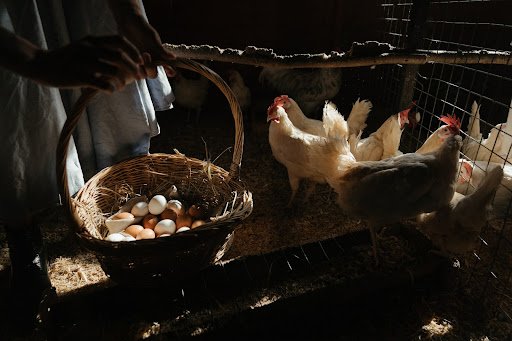
You can incorporate a plumbing system into your egg collection process to streamline and make it more efficient. Plumbing mechanisms and principles can serve as a basis for designing an automated egg collection system composed of conveyor belts and nest boxes. These collection systems transport eggs from the laying areas to centralized collection points. An automated egg collection system also minimizes the risk of egg breakage. An additional cleaning and sanitizing feature ensures the eggs remain hygienic and safe to consume.

CLEANING AND DISINFECTION

The plumbing system is crucial in disease prevention, sanitation, and disinfection within your poultry farm. One of the primary strategies for preventing diseases in your poultry is maintaining a clean environment for your flock. First, conduct regular cleaning of all surfaces using soap and water. Next, apply disinfectants either through gas, fog, or spray application. You can design an automatic disinfectant system using plumbing techniques to speed up the disinfection process and make it less labor-intensive. An automated disinfectant system also ensures that the disinfectant is dispersed evenly and reaches all corners of the area.

SUSTAINABILITY AND ENVIRONMENT

Process improvements due to better plumbing can encourage sustainable and environmentally friendly poultry farming.

First, a well-designed plumbing system provides many benefits, such as better food and water distribution, fostering environments conducive to poultry raising and growth, and enhancing overall animal welfare. These improvements ensure the longevity and profitability of your poultry farming business by optimizing operations.

A more efficient water supply and distribution minimizes water spillage and unnecessary consumption, which helps water sources last longer and promotes responsible resource usage.

Effectively handling and managing poultry farm waste reduces any harmful impact poultry farming may have on the environment. 

REGULATORY COMPLIANCE

Incorporating plumbing systems helps poultry farmers comply with government and state regulations. For example, the US Environmental Protection Agency sets out guidelines on water supply quality, waste and wastewater disposal, and other agricultural requirements for poultry farmers and other facilities that involve animal feeding operations. A properly developed and installed plumbing system helps address these guidelines.

CONCLUSION

Despite the initial disconnect between plumbing and poultry, these two fields intersect to help poultry farming evolve. From water supply and waste management to environmental impact and compliance, plumbing has made poultry farming more efficient and sustainable, showing that even two seemingly unrelated fields can work together to improve things.

Guest Contributor: Edward Farell