Having an at-home office is becoming increasingly important for many people, especially those working remotely or doing freelance work. It offers a convenient alternative to traditional office settings. Although the covid-19 pandemic made many people realize the importance of working from home, the global economic shift towards remote work has gathered steam for years.
How To Incorporate an At-Home Office Into Your House
The critical step is to designate a specific area in your house that will serve as the office with minimal distractions and allows for productivity. Consider the following tips to make the most of your home office:
Leverage Unused Corner Spaces
An unused corner of your house can easily become the perfect desk, chair, and computer spot. Install wall-mounted lights for proper illumination and add adequate storage space for supplies and documents.
Utilize Vertical Storage
These spaces could provide ample storage areas for your office supplies and documents. Install floating shelves or wall-mounted storage bins to keep your work area tidy and organized. Also, consider adding a small filing cabinet or lateral drawer for any paperwork.
Invest in Ergonomic Furniture
Prioritize comfort and mobility when investing in furniture. Investing in an ergonomic office chair and an adjustable standing desk can improve concentration and enhance physical health. Additionally, ensure adequate back support and adjust the desk chairs at an appropriate height for your body type.
Utilize Natural Light
You shouldn’t work in a poorly lit room as it could lead to eye strain, headaches, and exhaustion. Place your office near a window and use natural light to create an open atmosphere that promotes productivity. You may install mounted light fixtures to supplement natural light sources and create a pleasant working environment.
Turn the Under Stair Space Into an Office
Most homes have unused space under the stairs, making it a perfect office area. If it’s too small to work at a desk, you can use the space for storage and leverage other areas of the house to set up your workstation. The beauty is that the area is rarely accessible to anyone else besides yourself, ensuring the safety of your documents and other essential office materials.
Create a Pleasant Atmosphere Using Soundproofing Materials
Working from home can be distracting if noise pollution comes from outside. Use these soundproofing materials to reduce the sound entering your work area. Not only will it help you concentrate better, but it will also provide a more comfortable working environment.
The Importance of Having an At-Home Office in Your Home
Convenience
Working from the comfort of your home allows you to set your work hours, save on commuting costs, and eliminate workplace distractions. You don’t need to worry about office politics or bystanders bothering you while working; instead, you can focus entirely on the task.
The New Normal Since the Pandemic
Remote work has grown significantly due to several factors, including an increasing demand for flexible working hours and the advancement of technology. Many people had to set up an at-home office during the pandemic to continue their work. Companies and organizations have adapted to this new normal by providing resources and tools that enable remote work.
Easy To Balance Personal and Work Life
An at-home office allows you to manage your time efficiently and balance your personal and work life. Unlike in the office, where every minute is accounted for, you can take breaks without feeling guilty.
Shaping the Future of the Housing Sector
The new working procedure has revolutionized modern house plans by incorporating a designated home office space. As a result, the resale value of these houses has improved tremendously. On the other hand, tenants and homebuyers seeking more space are willing to pay a premium for these designs.
Access to Dedicated Study
An at-home office can also be a dedicated study space for students to concentrate on their studies without distractions. It provides a suitable environment for learning, making it easier for students to focus and achieve better results. Besides, the office can help you advance your career by taking relevant online courses and qualifications.
Different Opportunities Having an At-Home Office Allows You To Do in Your Home
Freelancing and Entrepreneurship
An at-home office allows you to manage multiple clients or projects without leaving the house.
Investing in Franchises
With an organized space, you can focus on researching and understanding franchise offerings and decide which is right for you.
Working Remotely
Many companies now offer employees the opportunity to work from home due to the pandemic. An at-home office can help you take advantage of these opportunities and increase productivity. Additionally, remote work benefits individuals with disabilities or other special needs as it eliminates the need to commute to the physical workplace.
Working in Collaboration
At-home offices also provide an excellent platform for collaborating with colleagues worldwide. You can easily connect with co-workers to brainstorm ideas and work on joint projects by leveraging online tools and platforms.
An at-home is not a luxury anymore but a necessity in today’s world. It provides convenience, safety, comfort, and efficiency while working from home. Besides, it offers numerous advantages, making it suitable for various activities such as freelancing, investing in franchises, remote work, collaboration, and studying. Therefore, invest in an at-home office to maximize your productivity.
THE COMPREHENSIVE COMPARISON: CONCRETE VS. ASPHALT DRIVEWAYS – WHICH IS BEST FOR YOUR HOME?
Selecting the right driveway material for your home is a crucial decision that affects both aesthetics and functionality. When it comes to driveway options, concrete and asphalt are two popular choices. Each material has its own set of advantages and considerations, making it essential to weigh the pros and cons before making a decision.
This comparison article explores the key factors to consider when choosing between concrete and asphalt driveways. From durability and cost to maintenance requirements and curb appeal, we delve into the essential aspects that can help you determine which option is best suited for your home.
By understanding the characteristics and differences between concrete and asphalt driveways, you can make an informed choice that aligns with your specific needs and preferences. Whether you need Sydney or Melbourne CBD concreters, concreters in Germany, or concreters in sunny Los Angeles, let’s embark on this journey of exploration and evaluation to discover the ideal driveway material that will enhance both the beauty and functionality of your home.
UNDERSTANDING CONCRETE DRIVEWAYS
Concrete driveways offer a range of benefits and have become a popular choice for homeowners. They are known for their durability and longevity, making them a solid investment. Concrete driveways can withstand heavy loads and are resistant to weathering, cracking, and fading. Additionally, they provide a smooth and clean surface for vehicles and offer design flexibility with options for decorative finishes, textures, and colors.
Concrete driveways are versatile and can be customized to complement various architectural styles. They can be shaped to fit any space and can incorporate decorative elements like stamped patterns or exposed aggregate for added visual appeal. Furthermore, concrete driveways typically require minimal maintenance, with occasional sealing and cleaning to preserve their appearance and durability.
While concrete driveways are known for their longevity, they do require proper installation and curing to ensure optimal performance. It is essential to consult with experienced professionals who can provide expert guidance on site preparation, concrete mix design, and proper installation techniques. By understanding the characteristics and benefits of concrete driveways, you can assess whether they align with your specific requirements for a durable and visually appealing driveway.
EXPLORING ASPHALT DRIVEWAYS
Asphalt driveways present an alternative option with distinct advantages and considerations. They are known for their affordability, making them a popular choice for many homeowners. Asphalt driveways are relatively quick to install, requiring less time to set and cure compared to concrete driveways. This allows for faster access to the driveway after installation.
One of the notable benefits of asphalt driveways is their flexibility. They can withstand temperature changes and minor ground movements without cracking. This flexibility helps prevent the formation of cracks and reduces the need for repairs over time. Additionally, asphalt driveways offer a smooth and comfortable driving surface, thanks to their ability to absorb heat and provide excellent traction.
While asphalt driveways are generally durable, they may require more frequent maintenance compared to concrete driveways. Periodic sealing is necessary to protect the surface from moisture penetration and prevent oxidation, which can cause the asphalt to become brittle and fade in color over time. It’s important to note that extreme weather conditions, such as very hot summers or harsh winters, can impact the lifespan and performance of asphalt driveways.
By understanding the characteristics and considerations of asphalt driveways, you can assess whether they align with your budget, flexibility, and maintenance preferences for a functional and cost-effective driveway solution.
DURABILITY AND LONGEVITY
When comparing concrete and asphalt driveways, durability and longevity are key factors to consider. Concrete driveways are known for their exceptional durability, with a lifespan that can exceed 30 years or more when properly maintained. They can withstand heavy loads and are highly resistant to cracking, weathering, and erosion. Concrete’s rigid structure makes it less prone to deformation caused by vehicle traffic, ensuring a long-lasting surface.
On the other hand, asphalt driveways also offer considerable durability, although their lifespan tends to be shorter compared to concrete. With regular maintenance, such as sealing every few years and patching any cracks or potholes, an asphalt driveway can last around 20 years. However, it’s worth noting that asphalt driveways may be more susceptible to wear and tear caused by harsh weather conditions, particularly in regions with extreme temperature fluctuations.
To maximize the lifespan of either type of driveway, proper maintenance is crucial. This includes regular cleaning, sealing, and addressing any repairs promptly. Climate and usage patterns also play a role in the longevity of driveways. Considering your specific needs, budget, and the expected lifespan of each material can help you determine which option is best suited for your home.
By evaluating the durability and longevity of concrete and asphalt driveways, you can make an informed decision based on the anticipated lifespan and performance that aligns with your long-term goals for your driveway.
COST CONSIDERATIONS
When choosing between concrete and asphalt driveways, cost is an important factor to consider. Both materials have distinct cost implications, including initial installation expenses and long-term maintenance considerations.
Concrete driveways typically have higher upfront costs compared to asphalt. The cost of concrete can vary depending on factors such as the region, driveway size, and desired finishes. However, it’s important to note that concrete driveways’ long lifespan and minimal maintenance requirements can make them a cost-effective investment in the long run.
On the other hand, asphalt driveways are generally more affordable to install initially. The cost of asphalt is influenced by factors such as the price of crude oil and the availability of materials in the local market. While asphalt driveways may require more frequent maintenance, such as sealing and occasional repairs, the overall maintenance costs are typically lower compared to concrete.
When considering costs, it is important to weigh the upfront expenses against the long-term value and maintenance requirements of each material. Assessing your budget and evaluating the anticipated lifespan and maintenance needs of concrete and asphalt driveways will help you make an informed decision that aligns with your financial considerations and preferences.
AESTHETICS AND CURB APPEAL
The visual impact and curb appeal of your driveway are significant factors to consider when choosing between concrete and asphalt. Concrete driveways offer a range of design options, allowing for customization and aesthetic versatility. They can be stamped, stained, or textured to mimic the appearance of natural materials such as brick, stone, or tile. With a variety of color choices available, concrete driveways can be tailored to complement the architectural style and landscaping of your home, enhancing its overall curb appeal.
In contrast, asphalt driveways have a distinct black color that provides a clean and sleek appearance. While they offer fewer design options compared to concrete, they can still be aesthetically appealing in their simplicity. The dark color of asphalt can create a striking contrast against green landscapes and architectural elements.
Choosing between concrete and asphalt driveways in terms of aesthetics depends on personal preference and the desired look for your property. Consider factors such as the architectural style of your home, surrounding landscape, and your preference for design versatility or a more classic and understated appearance. By assessing these factors, you can determine which material will best enhance the aesthetics and curb appeal of your home.
MAINTENANCE REQUIREMENTS
Understanding the maintenance needs of concrete and asphalt driveways is crucial for long-term durability and cost considerations. Concrete driveways generally require less maintenance compared to asphalt driveways.
Concrete driveways benefit from periodic sealing, typically every 2-5 years, to protect against moisture absorption and staining. Regular cleaning with mild detergent and water helps preserve its appearance. Additionally, addressing any cracks or surface damage promptly is important to prevent further deterioration.
Asphalt driveways require more frequent maintenance to ensure their longevity. Regular sealing every 2-3 years helps protect against oxidation, water penetration, and the formation of cracks. It is also essential to inspect and repair any cracks or potholes to prevent them from expanding and compromising the integrity of the driveway.
Both types of driveways can benefit from regular cleaning to remove debris, oil stains, and other contaminants. Sweeping or using a leaf blower can help maintain a clean surface and prevent damage from abrasive particles.
Consider your lifestyle, time availability, and maintenance preferences when choosing between concrete and asphalt driveways. Concrete driveways generally have lower maintenance requirements, while asphalt driveways need more frequent attention to preserve their condition. By factoring in maintenance needs, you can select a driveway material that aligns with your willingness and ability to dedicate time and effort to upkeep.
ENVIRONMENTAL CONSIDERATIONS
Considering the environmental impact of your driveway choice is becoming increasingly important. Both concrete and asphalt driveways have their own ecological implications.
Concrete driveways have a lower carbon footprint compared to asphalt. The production process for concrete emits fewer greenhouse gases, and it can incorporate recycled materials such as fly ash and aggregates. Concrete also has a higher reflectivity, which helps reduce the heat island effect in urban areas.
Asphalt driveways, on the other hand, are more recyclable than concrete. Old asphalt can be reclaimed and reused for new projects, reducing the demand for new materials. Asphalt’s dark color also aids in snow and ice melting during winter months, potentially reducing the need for chemical de-icers.
Regardless of the material chosen, proper installation techniques and responsible waste disposal during construction contribute to minimizing the environmental impact.
When deciding between concrete and asphalt driveways, take into account your environmental values and the potential ecological benefits associated with each material. Explore sustainable practices, such as permeable pavers or incorporating green spaces alongside the driveway, to further enhance the eco-friendliness of your choice. By considering the environmental aspects, you can make a more conscious decision that aligns with your commitment to sustainability.
MAKING AN INFORMED CHOICE FOR YOUR DRIVEWAY
Choosing between concrete and asphalt driveways is a significant decision that involves evaluating various factors. Each material has its own strengths and considerations, allowing homeowners to find the best fit for their specific needs.
By understanding the characteristics, costs, durability, maintenance requirements, aesthetics, and environmental impact of concrete and asphalt driveways, you can make an informed choice that aligns with your priorities and preferences. Consider the longevity, maintenance needs, and visual appeal that each material offers, taking into account your budget and the overall curb appeal you desire for your home.
Ultimately, there is no one-size-fits-all answer when it comes to concrete vs. asphalt driveways. It is about finding the balance between functionality, durability, cost-effectiveness, and aesthetic appeal that suits your unique circumstances.
Consulting with experienced professionals in the field can provide valuable guidance and insights tailored to your specific requirements. With the knowledge gained from this comprehensive comparison, you can confidently select the driveway material that will enhance the beauty, functionality, and value of your home for years to come.
When it comes to transforming your kitchen, careful planning and consideration are key to ensuring a successful remodel. A thorough understanding of the essential factors to consider is crucial. This blog post will guide you through five important aspects to keep in mind when remodeling your kitchen. By incorporating these considerations, you’ll be on the right path to achieving the kitchen of your dreams.
1. LAYOUT OPTIMIZATION
Creating an efficient kitchen layout becomes vital during the remodeling process. Prioritize functionality by ensuring the convenience of appliances, sinks, and countertops. A well-thought-out layout enhances both practicality and aesthetic appeal, allowing you to navigate the kitchen with ease. Consider factors such as the classic work triangle, where the refrigerator, sink, and cooking area are positioned in close proximity, streamlining your workflow. Additionally, explore the option of incorporating an island or peninsula, providing extra counter space and storage while also serving as a central gathering point for family and friends during meal preparation.
2. QUALITY MATERIALS
Selecting high-quality materials for your kitchen remodel is essential for long-term satisfaction. From cabinets to countertops and flooring, choose durable materials that will stand the test of time. Opting for quality ensures not only longevity but also adds an element of elegance and sophistication to your kitchen. Consider materials like solid wood or engineered hardwood for cabinets, quartz or granite for countertops, and ceramic or porcelain tiles for the flooring. These materials not only offer durability but also provide a wide range of design options, allowing you to create a kitchen that reflects your style while maintaining its beauty and functionality for years to come.
3. LIGHTING
Proper lighting can transform the atmosphere of your kitchen. Consider a combination of ambient, task, and accent lighting to achieve a well-balanced and inviting ambiance. Strategically placed lighting fixtures can enhance specific areas, such as the cooking and food preparation zones, creating a warm and welcoming environment for cooking and entertaining. Install pendant lights above the kitchen island or peninsula to provide focused task lighting while adding a stylish focal point. Additionally, consider under-cabinet lighting to illuminate countertops and make food preparation easier. By incorporating dimmers, you can also adjust the lighting levels to create a cozy atmosphere for intimate gatherings or bright lighting for more functional task.
4. STORAGE SOLUTIONS
Ample storage is crucial for an organized and clutter-free kitchen. Assess your storage needs and explore innovative solutions, such as pull-out drawers, tall cabinets, and pantry organizers. Efficient storage options provide convenience and contribute to a visually appealing and streamlined kitchen design. Consider installing custom-built cabinetry that maximizes vertical space, making use of every inch available. Incorporating a combination of deep drawers and adjustable shelves ensures flexibility for storing pots, pans, and dishes of various sizes. Furthermore, integrating a walk-in pantry or utilizing underutilized spaces, such as corners, can significantly increase storage capacity. By optimizing your kitchen storage, you’ll create a functional and efficient space that allows for easy access and keeps your kitchen organized and clutter-free.
5. ADDING UNIQUE FEATURES
To add a distinctive touch to your kitchen, consider incorporating a kitchen pass through window. This feature not only creates a sense of openness but also facilitates easy communication and interaction between the kitchen and adjacent spaces. Whether connecting the kitchen with a dining area or an outdoor patio, a pass through window enhances both the functionality and aesthetics of your kitchen. Imagine the convenience of passing dishes or drinks effortlessly during gatherings or enjoying an open view while preparing meals. Furthermore, this feature allows natural light to flow through, brightening up the kitchen and providing a seamless connection to the surrounding areas. Consider customized options such as sliding or folding windows to match your preferred style and create a unique focal point in your kitchen.
As you embark on your kitchen remodeling journey, remember to consider these five essential aspects: optimizing the layout, choosing quality materials, creating a well-lit ambiance, maximizing storage efficiency, and incorporating unique features. By focusing on these key elements, you’ll make informed decisions and work towards achieving the kitchen of your dreams. Remember, a successful kitchen remodel not only enhances the functionality of your space but also adds value to your home.
In our pursuit of clean and healthy living environments, it’s essential to prioritize indoor air quality. However, achieving clean air doesn’t have to mean relying on harsh chemical-based products. In this short breakdown, we will quickly discuss how you can address this burning issue without making it even worse with expensive and harmful chemicals. Use these methods and you will make sure you and your family can always breathe with full lungs without any worries in sight.
INCREASE VENTILATION AND AIR CIRCULATION
Improving ventilation and air circulation in your home has to be one of the most obvious ways for making sure your home is actually pleasant for living in. Open windows and doors whenever possible to allow fresh air to flow in and stagnant air to move out. Utilize ceiling fans or portable fans to improve air circulation. Installing air purifiers or air filters can also help remove pollutants and allergens from the air, enhancing indoor air quality naturally.
EMBRACE NATURAL CLEANING PRODUCTS
Swap out chemical-laden cleaning products with natural alternatives. You can start searching with plant-based and biodegradable brands that are completely devoid of any substances that can be seen as harmful. Vinegar, baking soda, lemon juice, and essential oils can be effective ingredients for creating homemade cleaning solutions. Keep in mind these natural alternatives are not only doing good by Mother Nature’s standards. They also completely rule out dangerous chemicals and thus make your house more pleasant to stay in.
REGULARLY MAINTAIN HVAC SYSTEMS
Since it effectively serves as the lungs of your home you can see how proper maintenance of your HVAC system is absolutely critical for quality indoor air. Change air filters regularly to ensure optimal airflow and to trap dust and pollutants effectively. This is especially important in states like Florida, where one sandstorm can stack your ducts with dust deposits seemingly overnight. If you are living there, you should look for professional air duct cleaning in West Palm Beach or some other local center and make sure your HVAC system is always in top shape. Of course, you should stay vigilant in other locations as well.
KEEP A CLEAN AND DUST-FREE ENVIRONMENT
Regular cleaning and dusting can significantly contribute to cleaner indoor air quality. Dust surfaces, vacuum carpets and upholstery, and mop floors regularly to remove dust, allergens, and other particles. Use microfiber cloths or mops to trap dust effectively without spreading it around. Additionally, wash bedding and curtains frequently to reduce the accumulation of dust mites. By keeping a clean and dust-free environment, you can minimize respiratory irritants and maintain healthier indoor air quality.
INTRODUCE INDOOR PLANTS
Indoor plants not only add aesthetic appeal but also have air-purifying properties. Plants absorb carbon dioxide and release oxygen, while also filtering out certain airborne toxins. Spider plants, peace lilies, snake plants, and Boston ferns are excellent choices for improving indoor air quality. Due to their inherent filtration properties, they do an honest-to-good job of rooting out formaldehyde, benzene, xylene, and other notorious pollutants. Be mindful of any potential allergies or sensitivities to certain plants, and ensure proper care and maintenance for optimal air-purifying benefits.
MINIMIZE OR ELIMINATE SYNTHETIC FRAGRANCES
It’s not that big of a secret that synthetic fragrances, air fresheners, candles, and cleaning products are genuine volcanoes of volatile organic compounds (VOCs). Minimize or eliminate the use of these products and opt for natural alternatives. Use essential oil diffusers or simmer pots with natural ingredients like citrus peels, cinnamon sticks, and herbs to create pleasant scents in your home. Fresh flowers and herbs can also provide a natural fragrance while enhancing the overall air quality.
CONTROL HUMIDITY LEVELS
Maintaining appropriate humidity levels is essential for achieving clean air and preventing the growth of mold and mildew. Excess humidity can contribute to the proliferation of allergens and respiratory irritants. Do your best then to use dehumidifiers in rooms susceptible to moisture like basements or bathrooms. They will cut mold growth at its root. On the other hand, during dry seasons, humidifiers can add moisture and ease respiratory discomfort. Monitoring and controlling humidity levels in your home can help create a more comfortable and healthier living environment while promoting cleaner air quality.
Achieving clean air without the use of harmful chemicals is achievable by implementing these natural methods. By improving ventilation, embracing natural cleaning products, maintaining cleanliness, introducing indoor plants, minimizing synthetic fragrances, and properly maintaining HVAC systems, you can create a healthier and safer indoor environment for you and your family. Prioritize clean air naturally and enjoy the benefits of improved indoor air quality.
Protecting your property is essential, whether you are a homeowner or a real estate investor. One crucial aspect of property protection that is often overlooked is a latent defect warranty.
A latent defect warranty can provide you with financial security and peace of mind by covering unexpected hidden defects in your property. In this article, we will explore what a latent defect warranty is, how it works, and the benefits it offers to property owners.
LATENT DEFECTS
Before delving into the details of a latent defect warranty, it is crucial to understand what latent defects are. Latent defects are hidden flaws or issues within a property that are not immediately apparent upon inspection.
These defects can include structural problems, plumbing or electrical issues, or even environmental hazards such as mold or asbestos. Latent defects can be costly to repair and pose significant risks to the property’s value and the safety of its occupants.
WHAT IS A LATENT DEFECT WARRANTY?
A latent defect warranty is a form of insurance or guarantees that protect property owners from the financial burden of unexpected hidden defects. It is typically offered by builders, contractors, or developers and can be purchased for both new and existing properties.
This warranty provides coverage for a specified period, usually several years, during which any latent defects that arise will be repaired or compensated for by the warranty provider.
HOW DOES A LATENT DEFECT WARRANTY WORK?
When you purchase a property with a latent defect warranty, the warranty provider assumes responsibility for repairing or compensating any covered latent defects that emerge within the warranty period. If you discover a latent defect in your property, you would typically notify the warranty provider, who will then assess the issue and arrange for repairs or compensation as per the terms of the warranty. The warranty may cover the cost of repairs, replacement of affected components, or even the decrease in property value resulting from the defect.
BENEFITS OF A LATENT DEFECT WARRANTY
Here are some of the benefits one can have from Latent Defect Warranty:
● Financial Protection: The most significant advantage of a latent defect warranty is its financial protection. Property repairs, especially those related to hidden defects, can be expensive and unexpected. With a latent defect warranty in place, you can rest assured that you won’t be burdened with hefty repair costs.
● Increased Property Value: Having a latent defect warranty can enhance the value of your property. Potential buyers or tenants are often more attracted to properties that come with warranties, as it demonstrates the builder’s or developer’s confidence in the quality of their work. This can give you a competitive edge in the real estate market and potentially lead to higher resale or rental values.
● Peace of Mind: Owning a property can be stressful, especially when you are uncertain about potential hidden defects. A latent defect warranty provides peace of mind, knowing that you have a safety net to fall back on if any issues arise. This peace of mind can significantly reduce anxiety and allow you to enjoy your property without constant worry.
● Professional Repairs: With a latent defect warranty, you can have confidence that qualified professionals will carry out any repairs or remediation work. Warranty providers typically have a network of approved contractors who are skilled in addressing latent defects. This ensures that the repairs are done to a high standard, minimizing the risk of recurring issues.
CONCLUSION
Investing in a latent defect warranty is a wise decision for any property owner. It safeguards your investment, provides financial protection, and gives you peace of mind. Before purchasing a property, consider discussing the availability of a latent defect warranty with the builder or developer.
If you already own a property without a warranty, you may be able to explore options for purchasing a separate warranty from specialized providers. Remember, a latent defect warranty is an investment in the long-term well-being of your property and a valuable asset for any homeowner or real estate investor.
When purchasing furniture, investing in good quality pieces is essential. High-quality furniture enhances your home’s aesthetics and provides comfort, durability, and long-lasting value. But what are the key features that define good quality furniture? Let’s explore some important characteristics to look for when evaluating furniture quality.
SOLID CONSTRUCTION
One of the most crucial features of good quality furniture is solid construction. Well-built furniture should have sturdy frames made from durable materials such as hardwood or high-quality metal. Joints and connections should be secure, and there should be no wobbling or creaking when you sit or move the furniture. Pay attention to the overall stability and structural integrity of the piece.
HIGH-QUALITY MATERIALS
Quality furniture is crafted using high-quality materials. The choice of materials can greatly impact the durability and longevity of the furniture. For example, hardwood frames, such as oak or maple, are known for their strength and durability. Upholstery fabrics should be made from durable, stain-resistant materials that withstand everyday wear and tear. Look for furniture that uses top-grade materials to ensure longevity and performance.
ATTENTION TO DETAIL
Good quality furniture exhibits high attention to detail in its craftsmanship. Whether it’s intricate carvings on wooden furniture or well-stitched seams on upholstered pieces, these details indicate the care and skill put into creating the furniture. Quality furniture should be well-finished, with smooth edges, even surfaces, and consistent color or stain application.
COMFORT FEATURES
Comfort is a vital aspect of good quality furniture and can greatly enhance your overall satisfaction. Look for furniture that incorporates comfort features, such as ergonomic design, adequate padding, and proper lumbar support. Reputable furniture brands often prioritize comfort and design their pieces with features that promote relaxation and well-being. Bob’s comfort features, for example, include plush cushions, supportive seating, and ergonomic designs.
DURABILITY AND LONGEVITY
Good quality furniture is designed to withstand the test of time. It should be built to last and retain its functionality and appearance even after years of use. High-quality furniture resists sagging, warping, or breaking under normal usage conditions. Before making a purchase, consider the brand’s or manufacturer’s reputation and look for warranties or guarantees that assure the furniture’s durability and longevity.
FINISHING AND UPHOLSTERY
The finishing and upholstery of furniture play a significant role in both aesthetics and durability. Look for furniture with smooth, even finishes that are resistant to scratches, stains, or fading. Upholstered furniture should have well-tailored and tightly fitted fabric or leather that is resistant to wear and tear. Pay attention to the upholstery’s stitching, seams, and overall craftsmanship to ensure its high quality.
TIMELESS DESIGN
Good quality furniture often features timeless designs that transcend trends. Classic designs have enduring appeal and can seamlessly blend with different interior styles and décor changes over time. Investing in furniture with a timeless design ensures that it remains relevant and aesthetically pleasing for years to come.
REPUTABLE MANUFACTURER OR BRAND
Choosing furniture from a reputable manufacturer or brand is a key consideration for ensuring good quality. Reputable brands often have a long-standing history of producing high-quality furniture and prioritizing customer satisfaction. Look for brands with positive customer reviews, certifications, and awards that reflect their commitment to quality craftsmanship.
Good quality furniture possesses solid construction, high-quality materials, attention to detail, comfort features like Bob’s comfort features, durability and longevity, impeccable finishing and upholstery, and timeless design, and comes from reputable manufacturers or brands.
Considering these features when purchasing furniture ensures that you invest in pieces that look great and provide comfort, durability, and lasting value for your home.
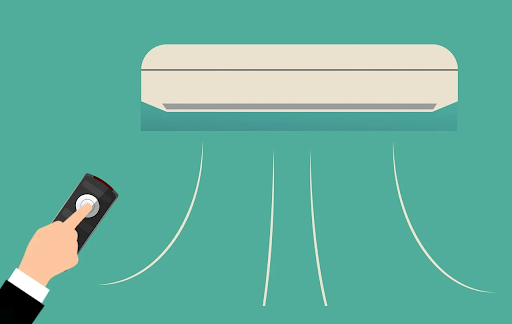
Many people struggle with deciding what kind of cooling unit to install, as both central air and window options have their advantages. To help make the process easier, let’s take a look at the key differences between these two cooling solutions so that you can make an informed decision. So get ready to cool off in style – it’s time to explore central air vs window unit air conditioning!
INSTALLATION AND MOBILITY
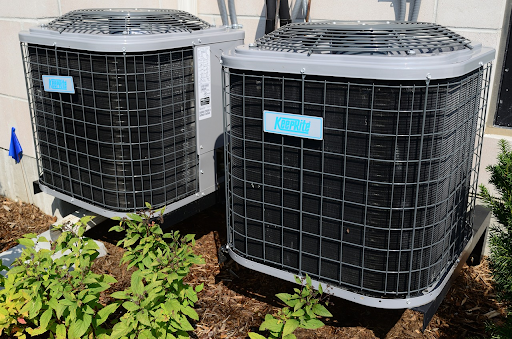
Central air cooling systems require a lot of installation work. They need to be connected to the ducts in your house and put outside as well. However, there’s also a possibility to get a central AC without an outside unit which makes the process a lot easier. Window unit cooling systems, on the other hand, are much easier to install since they only have to be placed in the window.
Window unit cooling systems can be moved around from place to place, while central air units cannot. You can easily take a window unit with you when you travel or move homes, while a central air system needs to stay where it is installed.
SYSTEM CAPACITY AND COVERAGE
Central air can cool down an entire house or building while window units only cool one room at a time. Central air has more power to cool bigger places, but window units use less energy and cost less money so they are better for smaller spaces. Window units also can’t be moved around like central air can, so it is not as flexible when cooling different areas of the house.
Depending on the size of your home, central air may be the only option for proper cooling. Larger homes or buildings require a larger system capacity to cool down all of the rooms.
COST EFFICIENCY
Central air cooling systems are more cost-efficient than window unit cooling systems. It cools the whole house, rather than just one room like window units do. This means you don’t have to buy multiple window units to cool your home, which can be expensive. In addition, central air is more energy efficient because it recycles the same air over and over again instead of constantly bringing in new air from outside. Window units use more electricity because they must constantly draw in new air from outside to cool a single room.
NOISE AND AESTHETICS
Central air and window unit cooling systems differ in noise and aesthetics. Central air is quieter than window units since it is installed inside the walls, so you won’t hear it running. Window units are more visible from inside or outside the home, so they might not look as good as central air systems. It is also better for cooling a large area of your home while window unit cooling only works in one room at a time.
When it comes to cooling your home, both central air and window units have their advantages. Central air is great for large houses because of its power and cost efficiency while window units are better suited for smaller spaces since they use less energy and can be moved around easily. Ultimately, the choice between these two solutions depends on your budget, space constraints, and desired level of aesthetics.
Picture this: you walk into your kitchen, ready to whip up a delicious meal, only to be greeted by an unpleasant stench wafting from your kitchen sink. Ugh, talk about a mood killer! We’ve all been there, and let’s be honest, you don’t want to deal with a smelly kitchen sink.
Here are the five most common reasons why your kitchen sink smells, and guess what? We have some great solutions to save your nostrils from further agony. Let’s get to the bottom of this stinky situation, shall we?
1. POOR DRAINAGE AND CLOGGING
One of the primary reasons your kitchen sink may emit an unpleasant odour is poor drainage and clogging. Over time, food particles, grease, and other debris can accumulate in the drainpipe, creating a breeding ground for bacteria and foul smells. The buildup restricts the water flow, causing stagnant water to accumulate, leading to unpleasant odours. To combat this issue, regular maintenance is essential. Clearing the drainpipe using a mixture of baking soda and vinegar or a plunger can help dislodge the clog and eliminate the odour.
2. INSUFFICIENT CLEANING
Neglecting regular cleaning of your kitchen sink can also contribute to unpleasant odours. Food residue, grease, and soap scum can accumulate on the sink surface, providing a fertile environment for bacteria to thrive. This accumulation can release foul odours, making it crucial to clean your sink regularly. A simple solution of warm water, mild dish soap, and gentle scrubbing using a non-abrasive sponge can effectively remove dirt and bacteria, leaving your sink fresh and odour-free.
3. INADEQUATE VENTILATION
A poorly ventilated kitchen can exacerbate the odour problem in your sink. Without proper airflow, the damp environment around the sink becomes an ideal breeding ground for bacteria and mould, resulting in unpleasant smells. Installing a range hood or opening windows while cooking can improve ventilation, reducing moisture levels and preventing the buildup of odours. Additionally, using an exhaust fan during and after dishwashing can aid in eliminating excess moisture and unpleasant smells.
4. GARBAGE DISPOSAL MISUSE
Many modern kitchen sinks are equipped with garbage disposals, which can be both a blessing and a curse. While convenient for disposing of food waste, improper garbage disposal can lead to odour issues. Certain foods, such as onion skins, coffee grounds, and grease, can accumulate in the disposal unit and emit unpleasant smells over time. To prevent this, avoid disposing of such items in the garbage disposal and ensure regular cleaning of the unit using a combination of ice cubes and citrus peels to eliminate odour-causing bacteria.
5. PLUMBING ISSUES
Persistent odours that cannot be attributed to the above factors may indicate underlying plumbing issues. A faulty or improperly installed kitchen sink drainpipe can allow sewage gas to escape, resulting in unpleasant smells permeating your kitchen. In such cases, it is advisable to seek the assistance of a professional plumber to inspect and rectify the problem. They can identify any blockages, leaks, or faulty connections and provide the appropriate repairs to restore the functionality and freshness of your kitchen sink.
HOW TO FIX A SMELLY KITCHEN SINK IN AUSTRALIA
Living in Australia and dealing with a smelly kitchen sink? Follow these simple steps to banish those odours and restore freshness to your kitchen:
ADDRESSING THE ROOT CAUSE
Start by addressing the root cause of the odour. Try baking soda and vinegar if your sink is clogged or draining slowly. Pour half a cup of baking soda down the drain, followed by a cup of vinegar. Let the mixture sit for about 15 minutes, then flush it with hot water.
CLEAN THE SINKS
Kitchen sinks need regular cleaning to maintain a fresh-smelling one. In removing odour from your kitchen sink, use mild dish soap and warm water to scrub the sink, such as stainless steel, thoroughly. Pay attention to hard-to-reach areas, such as the drain and faucet. Don’t forget to clean the sink stopper and strainer as well. Rinse everything with clean water and dry with a towel to prevent moisture accumulation.
VENTILATE YOUR KITCHEN
Proper ventilation is key to preventing odours from lingering in your kitchen—open windows and doors to promote air circulation while cooking or cleaning. Installing a range hood above your stove can also help remove excess moisture and cooking odours. Consider using an exhaust fan to improve airflow and keep your kitchen fresh and odour-free.
WHEN TO CALL A LOCAL PLUMBER
Sometimes, despite your best efforts, the smelly kitchen sink problem persists. In such cases, it may be time to contact a local plumber in Australia for professional assistance. Here are some instances when it’s wise to seek their expertise:
PERSISTENT ODOURS
If you’ve tried all the DIY methods, but the foul smell lingers, it could indicate a more significant underlying issue. A plumber can inspect your sink, drainpipe, and plumbing system to identify any hidden problems causing the persistent odour.
CLOGGED DRAINS
When your kitchen sink experiences frequent clogs, it’s a sign that something more serious might be going on. A professional plumber can efficiently clear stubborn clogs using specialised tools and a wide range of techniques, ensuring proper drainage and eliminating unpleasant odours.
PLUMBING LEAKS
Leaks in your kitchen sink or plumbing system can lead to moisture buildup and contribute to foul odours. A plumber can detect and repair any leaks, preventing further damage and restoring the freshness and colour of your kitchen.
COMPLEX PLUMBING SYSTEMS
If you have a complicated plumbing system, such as an undermount sink or connections to your bathroom or laundry, you don’t have time to buy tools in a store or wait for delivery; it’s best to entrust the task to a professional plumber. They have the expertise and knowledge to handle complex installations and repairs, ensuring your kitchen sink remains odour-free.
Remember, while DIY methods are effective for minor issues, certain problems require the skills and experience of a qualified plumber. Feel free to contact a professional if you’re unsure or if the problem persists despite your efforts.
BOTTOM LINE
Maintaining a fresh and odour-free kitchen sink is crucial for a pleasant cooking and dining experience. By addressing the five common causes discussed in this blog post – poor drainage, insufficient cleaning, inadequate ventilation, garbage disposal misuse, and plumbing issues – you can banish unpleasant odours from your kitchen and create a clean and inviting space.
Remember, regular maintenance, proper cleaning, and seeking professional help when needed are the keys to keeping your kitchen sink smelling fresh and ensuring a healthy and enjoyable culinary environment.
With the right care and attention, your kitchen sink can continue to serve as a functional and aesthetically pleasing centrepiece in your home, enhancing both the practicality and beauty of your kitchen for years to come.
House flipping can be an incredibly profitable business. Going by Statista findings, an average house flip can net you about $62,000 in profits. If you’re an adult looking for a way to fund your higher-educational aspirations, house flipping could be it. In this mini-guide, Kevin Szabo Jr Plumbing offers some tips on how you could house flip your way to a college degree:
Run the numbers first
Before you take on a fixer-upper, consider doing a quick ROI check first. Buying a house is expensive, as is fixing it up. Essentially, you shouldn’t proceed with the flip until the numbers align in your favor. Tessa shows you how to calculate potential flip profits with the ARV rule. Other factors that could affect the profit include the local market conditions, the property itself, and your flipping skills.
Have professionals in your corner
House flipping is complicated and involves a great deal of work, from construction to marketing and everything in between. Teaming up with various professionals (in whatever capacity) can help you get work done, not to mention receive valuable insight into local market conditions. Some professionals you may need to team up with include contractors, designers, real estate agents, and handymen. Rehab Financial offers a reference list.
Update the kitchen
Upgrading the fixer-upper in various ways can make it much more attractive to buyers. For example, everyone likes a modern, aesthetically appealing kitchen. Consider adding a range hood to vent grease, smoke, and odors from the kitchen and to keep the air clean. Having a kitchen island in the center for extra seating can be a nice touch. Painting the kitchen in bright, beautiful colors may also work well.
Make plumbing improvements
Many fixer-uppers have old plumbing desperately in need of attention. Updating the plumbing makes the property far more attractive. Some examples of plumbing-related upgrades you could take on are insulating the piping, adding new faucets, adding new fixtures, installing a water heater, and putting in a dishwasher. You can team up with Kevin Szabo Jr Plumbing for any plumbing-related work – we’re reliable and affordable.
Prepare for challenges
House flipping is rarely smooth sailing. It’s running a business, which comes with all the usual challenges – market fluctuations, employee turnovers, financial crunches, legal issues, and more. If you’re serious about becoming successful, you will have to work hard and put your nose to the grindstone initially. It will take time for you to learn the ropes, and you will have to navigate risk.
Consider forming an LLC
Forming an LLC can help you limit some of the risks involved in house flipping. An LLC separates your personal assets from your business ones and so protects the former from litigation. To form an LLC, you can hire a lawyer or use a formation service (which is considerably less expensive). States have different regulations around LLCs. Be sure to check the local rules before moving forward.
You could learn while concentrating on your business
Online degrees are a good, widely accepted alternative to traditional in-person education. Online degree programs are typically more affordable than in-person learning. They are also flexible enough to allow you to work on your house-flipping business while you study. The most useful business degrees teach you skills in accounting, business, communications, and management. These are valuable skills you could apply to your business right now (or later if you get a different job).
Conclusion
Your house flipping may or may not turn into a six-figure income stream, but even a single successful flip will net you enough to pay for college. Forming an LLC for your budding business can make your life easier as an up-and-coming business owner, as can earning an online degree.
As a landlord in Minnesota, you may find yourself in a situation where you need to evict a tenant. The eviction process can be complex and daunting, but understanding the necessary steps and legal requirements is essential to protect your rights and navigate the process smoothly. This comprehensive guide aims to provide you, landlords, with a step-by-step overview of the eviction process in Minnesota. From understanding valid reasons for eviction to serving notices, filing court documents, and executing the eviction, we will cover each stage in detail. By following this guide and consulting with legal professionals when needed, you can ensure a lawful and efficient eviction process that minimizes potential disputes and protects your rental property.
Valid Reasons for Eviction
Before initiating the eviction process, it’s crucial to have a valid reason recognized by Minnesota law. Common grounds for eviction include non-payment of rent, violation of lease terms, illegal activities on the premises, property damage, and refusal to vacate after lease termination. Familiarize yourself with the specific circumstances that justify eviction and gather supporting evidence to build a strong case.
Notice Requirements
Providing proper notice to the tenant is a crucial step in the eviction process. In Minnesota, the type of notice required depends on the reason for eviction. We will outline the different types of notices, including the “Notice to Quit” for non-payment of rent and the “Notice to Cure or Quit” for lease violations. Understanding the specific content, delivery methods, and timelines for each notice is essential to ensure their legal validity.
Filing the Eviction Complaint
If the tenant fails to comply or rectify the issue within the notice period, you may proceed to file an eviction complaint with the appropriate court. This section will guide you through the process of preparing the eviction complaint, including gathering supporting documentation, completing the necessary forms, and paying the required filing fees. Understanding the importance of accurate and thorough documentation will strengthen your case during the court proceedings.
Court Hearing and Judgment
After filing the eviction complaint, a court hearing will be arranged. We will explain what to expect during the hearing and how to present your case effectively. It’s crucial to be prepared with evidence, such as lease agreements, written notices, and documentation of any violations or damages. Following the hearing, the court will issue a judgment either in favor of the landlord or the tenant, determining the course of action moving forward.
Writ of Recovery and Execution
If the court rules in your favor and grants an eviction judgment, you can proceed with obtaining a Writ of Recovery. This document gives you the legal authority to regain possession of the rental property. We will guide you through the process of obtaining and serving the writ, as well as coordinating with the local sheriff’s office to schedule the physical eviction if necessary.
Post-Eviction Procedures
Once the eviction is complete and the tenant has vacated the premises, there are additional steps to consider. This section will address post-eviction procedures such as securing the property, documenting any damages, and handling the tenant’s personal belongings left behind. Understanding your responsibilities as a landlord after the eviction ensures a smooth transition to preparing the property for a new tenant.
Legal Considerations and Seeking Professional Help
Throughout the eviction process, it’s important to be aware of the legal considerations and potential pitfalls. This section will highlight key legal aspects, including tenant rights, fair housing laws, and potential defenses the tenant may raise. We will also emphasize the importance of seeking professional legal counsel when needed, especially in complex cases or when faced with challenging tenant situations.
Conclusion
Understanding the eviction process in Minnesota is vital for landlords to navigate the complexities of rental laws effectively. By following the step-by-step guide provided in this article, landlords can ensure a lawful and efficient eviction process while protecting their rights and their rental property. Remember to familiarize yourself with valid reasons for eviction, provide proper notice, and maintain accurate documentation throughout the process. Moreover, stay updated on Minnesota rental laws to ensure compliance and avoid potential legal pitfalls. Although eviction can be a challenging and emotional process, approaching it with knowledge and professionalism will help minimize disputes and protect your investment. Should you encounter complex situations or require legal advice, seeking professional assistance is highly recommended. With the right understanding and adherence to the eviction process, landlords can maintain a fair and harmonious rental environment while upholding their rights and responsibilities under Minnesota rental laws.










 Kevin Szabo Jr Plumbing