
SMART HOME TECHNOLOGY: ENHANCING CONVENIENCE AND SECURITY

KEY POINTS:

·      Smart home technology is revolutionizing both the convenience and security aspects of our homes.

·      By automating household tasks and providing advanced home security measures, this technology significantly enhances homeowners’ quality of life.

·      Further integration with voice-assisted technology and future advancements promise to make our homes even more intuitive and responsive to our needs.

In today’s fast-paced world, technological integration into daily life is a growing trend. A remarkable manifestation of this trend is smart home technology, which seamlessly blends comfort and safety in our homes, altering how we interact with our living spaces.

Smart home technology encompasses numerous devices, systems, and applications, enabling homeowners to control and automate multiple facets of their home environment. From optimizing heating and cooling through smart thermostats to managing entertainment systems with voice-activated assistants, this technology enriches our homes’ functionality globally.

STREAMLINING HOUSEHOLD TASKS

The primary advantage of smart home technology lies in the convenience it provides homeowners. Automated tasks that were previously time-consuming can now be managed efficiently with a button’s touch or a voice command. Consider smart appliances like ovens, washing machines, and refrigerators that can be pre-programmed or remotely controlled.

A striking example is the smart thermostat, which learns your schedule and temperature preferences over time, adjusting your home’s heating or cooling to optimize comfort and energy efficiency. This automated personalization, previously imagined only in science fiction, is now a reality in today’s homes.

ENHANCING HOME SECURITY

Smart home technology extends beyond convenience to revolutionize home security. Unlike traditional systems, smart security systems offer real-time updates and remote monitoring.

With smart security cameras, homeowners can directly receive a live feed to their devices, enabling them to monitor their homes anytime, from anywhere. Facial recognition technology further boosts security by distinguishing between family members and potential intruders. If an unrecognized individual is detected, the system can send automatic alerts.

Smart door locks offer an additional security layer. With this tech, doors can be remotely locked or unlocked, eliminating risks associated with lost keys or forgotten locks. Some smart locks even allow for unique access codes for different family members or guests, offering homeowners a detailed log of entries and exits.

INTEGRATING WITH VOICE-ASSISTED TECHNOLOGY

Smart home technology’s transformative aspect is its integration with voice-assisted technology like Amazon’s Alexa, Google’s Assistant, or Apple’s Siri. These AI-powered assistants interact with various devices in your home, enabling you to control lighting, music, temperature, and more through simple voice commands, creating a seamless experience.

THE FUTURE OF SMART HOME TECHNOLOGY

As technology advances, the potential for smart home technology appears limitless. With AI and machine learning advancements, homes will become more intuitive and responsive. The introduction of virtual and augmented reality could further enhance home entertainment and decor, while green technology advancements could render homes more energy-efficient and eco-friendly.

Despite these promising prospects, a balanced approach to smart home technology is crucial, with privacy and security concerns taking center stage, as these devices gather large amounts of data. It is imperative for manufacturers and policymakers to continue prioritizing data security to protect user privacy.

DATA SECURITY AND PRIVACY CONSIDERATIONS

In this section, the potential concerns and issues regarding data privacy could be addressed. It can include the discussion about the types and amount of data these devices collect and the steps taken by manufacturers and users to protect and secure these data.

ADOPTION AND FUTURE TRENDS

This part could discuss current adoption rates of smart home technology and what factors are driving or hindering its adoption. It can also shed light on the expected future trends in the field, such as the integration of more advanced AI and machine learning capabilities, the use of virtual and augmented reality, and energy-efficient technologies.

IMPACTS ON ENERGY EFFICIENCY

This section could focus on how smart home technologies contribute to energy conservation, detailing how various devices help in reducing energy consumption and promoting sustainability.

USER EXPERIENCE AND INTERFACE DESIGN

Here, the focus would be on how manufacturers are designing these smart technologies to be user-friendly, exploring the interfaces of these devices, and how they are optimized for easy use and control by homeowners.

Conclusion:

In conclusion, smart home technology is not just enhancing our living experiences by increasing convenience and security but also heralding a future of smarter, safer, and more personalized homes. In essence, smart home technology is shaping our homes into intuitive, secure, and comfortable spaces for a future of convenient living.

Guest Contributor: Emily Smith

5 SAFETY PRECAUTIONS TO HAVE ON THE READY AT YOUR HOUSE

Essential Safety Precautions to Enhance Your Home Safety

Creating a safe living environment is of utmost importance for every homeowner. Your home should be a sanctuary where you and your loved ones feel protected and secure. You can significantly reduce the chances of accidents and ensure the well-being of your household by implementing these essential safety precautions.


1. INSTALL AND REGULARLY CHECK SMOKE DETECTORS

One of the most crucial safety precautions for your home is the installation of smoke detectors. These devices are early warning systems, alerting you to smoke and potential fire hazards. Installing smoke detectors in every room, including bedrooms, living areas, and the kitchen, is essential. Place them high on the walls or ceilings as smoke rises. Regularly test the functionality of the detectors by pressings the test button and replace batteries annually.


2. SECURE HANDRAILS AND STAIRCASES

Handrails and staircases can be hazardous if they are unsecured or in disrepair. Regularly inspect handrails for stability, ensuring they are securely fastened and free from wobbling or looseness. Tighten any loose screws or bolts promptly to maintain their reliability. Staircases should also be well-maintained, with sturdy steps and secure handrails on both sides. Adequate lighting along staircases is crucial to enhance visibility and prevent trips and falls, especially during the night.


3. SAFEGUARD YOUR VEHICLES AND OUTSIDE ITEMS WITH TARPS

Using tarps is a smart and practical way to protect your vehicles and outside items against extreme weather conditions like the scorching sun, heavy rain, or snow. Covering your items against these extreme weather can shield them from potential damage. Investing in tarps and using them to safeguard your items ensures longevity and gives you peace of mind knowing that your prized possessions are well-protected.


4. ENHANCE YOUR HOME SECURITY WITH SURVEILLANCE CAMERAS

Installing surveillance cameras is a proactive step to bolstering your home security. These cameras act as vigilant guardians, monitoring your property day and night. By strategically placing them around your home, you can deter potential intruders and capture suspicious activities. With advanced features like motion detection and remote access, you can actively monitor your property from anywhere. Invest in surveillance cameras to fortify your home security and enjoy peace of mind knowing that you have an extra set of eyes guarding your property.


5. INSTALL FIRE EXTINGUISHERS

Fire extinguishers are vital safety tools that can significantly mitigate the damage caused by a fire. Place the fire extinguishers in strategic locations such as the kitchen, garage, and near fire-prone areas like fireplaces or heaters. Ensure that all household members know the extinguisher’s location and how to use it effectively.


ADDITIONAL SAFETY PRECAUTIONS FOR A SECURE HOME

Here are extra safety tips to enhance the safety of your home.

I. SAFE STORAGE OF HAZARDOUS MATERIALS

It is crucial to store hazardous materials properly to ensure the safety of your children. The hazardous materials may include cleaning products, chemicals, and medications. Keep these items out of the reach of children by using locked cabinets or placing them on high shelves. Ensure that all containers are properly sealed to prevent accidental ingestion or exposure.


II. REGULARLY CHECK ELECTRICAL CORDS AND OUTLETS

Electrical fires can be prevented by regularly inspecting electrical cords and outlets. Look for any signs of fraying, damage, or overheating. If you notice any issues, promptly replace the cords or contact a professional electrician for repairs.


III. CREATE AN EMERGENCY PLAN

Having an emergency plan in place is crucial for handling unexpected situations effectively. Sit down with your household members and discuss and develop a comprehensive plan. Identify evacuation routes from different areas of the house and establish a designated meeting point outside.


IV. SECURE HEAVY FURNITURE

Preventing tip-over accidents is vital, especially if you have heavy furniture. Anchor heavy furniture, such as bookcases, cabinets, or dressers, securely to the walls to prevent them from toppling over, especially in areas accessible to children.


FINAL THOUGHTS

Safeguarding your home and loved ones should be a top priority as a homeowner. You can create a secure living environment by implementing essential safety precautions such as installing and regularly checking smoke detectors, securing handrails and staircases, protecting vehicles with tarps, installing surveillance cameras, and installing fire extinguishers.

Additionally, adopting additional safety measures such as safe storage of hazardous materials, regular checks of electrical cords and outlets, creating an emergency plan, and securing heavy furniture adds an extra layer of security to your home. Remember, a safe home is a happy home, and investing in these precautions ensures the well-being of everyone within your household.

Written by Taylor McKnight, Author for Brumleve Industries

A HOMEOWNER’S GUIDE TO CLEANING UP WASTE AFTER PLUMBING ISSUES: DEALING WITH POTENTIAL BIOHAZARDS

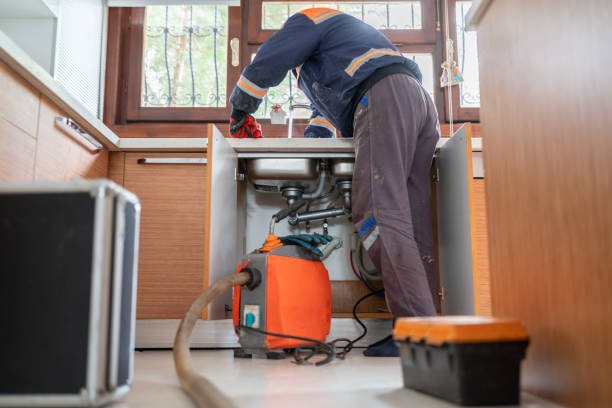
Any homeowner who has plumbing problems knows how stressful it can be. Plumbing issues can occasionally lead to the release of biohazardous waste into your living area in addition to the annoyance and potential harm to your property. In order to protect yourself and the safety of your family, it is essential to handle these circumstances quickly and properly. This guide seeks to give householders the fundamental actions they need to take to efficiently and properly clean up waste after plumbing problems, especially when handling potential biohazards.

Understanding Biohazards:

Biohazards are biological substances that can be hazardous to your household’s health. Biohazards might be sewage backups, contaminated water, or the development of mold and mildew in the setting of plumbing problems. Pathogens such as bacteria, viruses, parasites, and others can make humans sick or infect them. Consequently, it is crucial to approach the cleanup process cautiously and take the necessary precautions to protect oneself.

Prioritizing Safety:

Before you begin cleaning up the affected area, prioritize your safety by following these precautions:

  • Personal Protective Equipment (PPE): Wear appropriate safety equipment, such as disposable gloves, goggles, a face mask, and waterproof boots. These things serve as a protective barrier between you and possibly harmful garbage.
  • Ventilation: Open windows and utilize fans to increase ventilation in the room. This reduces the concentration of hazardous airborne particles.
  • Isolation: If possible, isolate the damaged area to prevent toxins from spreading to other areas of your home. To shut off the space, close doors and use plastic sheeting or tarps.

Cleaning Steps:

Follow these steps to effectively clean up waste after plumbing issues, especially when dealing with potential biohazards:

  • Stop the Source: If the plumbing issue has not been fixed, turn off the water supply to prevent further contamination. Contact a skilled plumber to address the underlying issue.
  • Remove Standing Water: To remove standing water from the afflicted area, use a wet/dry vacuum or absorbent items such as towels or mops. To avoid cross-contamination, appropriately dispose of these materials.
  • Disinfect Surfaces: Clean all surfaces thoroughly, including floors, walls, and fixtures, with a solution of one part bleach to ten parts water. Disinfectants will aid in the killing of germs and other infections. Follow the disinfection product’s instructions for adequate contact time and safety precautions.
  • Dispose of Contaminated Materials: Throw away any contaminated items that cannot be effectively cleaned or disinfected, such as saturated carpets, furniture, or porous goods. For proper garbage disposal, adhere to local standards.
  • Clear the Space: Once the area is clean and dry, open windows and use fans to circulate air. This eliminates any remaining scents and lowers the chance of mold formation.

Professional Assistance:

In some cases, biohazard cleanup may require the assistance of professionals trained in handling hazardous materials. Consider contacting a specialized biohazard cleanup service if the contamination is extensive, or if you are unsure about how to safely address the situation, as these professionals have the proper equipment, and knowledge to handle biohazardous waste safely and effectively.

Prevention Measures:

To minimize the likelihood of future plumbing-related biohazards, consider taking preventive measures:

  • Regular Maintenance: Schedule routine inspections and maintenance for your plumbing system to discover and address possible problems before they become serious.
  • Proper garbage Disposal: Dispose of garbage properly and avoid flushing improper goods, such as paper towels, feminine hygiene products, or grease, down toilets or drains.
  • Drain Maintenance: Use drain screens to capture debris, and clean the drains on a regular basis to avoid clogs and backups.
  • Mold Removal: Control humidity levels in your home and address any signs of mold or mildew growth as soon as possible. Bathrooms should be properly ventilated, and exhaust fans should be used during and after showers.

Cleaning up garbage after plumbing problems with potential biohazards necessitates caution, attention to detail, and adherence to safety regulations. Homeowners can effectively limit the dangers connected with biohazardous waste by following the methods provided in this guide and implementing preventative measures. Always remember to seek expert help if you notice a major contamination problem or are unsure how to tackle the cleanup process on your own. Prioritizing safety and comprehensive cleaning methods will help you and your family live in a healthy environment.

Guest Contributor: Madison Hoffman

INTERIOR DESIGNER VS. DIY: 7 COMPELLING REASONS TO INVEST IN PROFESSIONAL EXPERTISE

If you’ve recently moved into a new home or are feeling like it’s time for a home renovation, you’ve likely considered hiring an interior designer.

With an incredible eye for detail and a lifetime of styling skills, professional interior designers know how to make your indoor space feel both functional and beautiful. Of course, you could decorate your interiors alone, but can you help it reach its full potential?

Perhaps not.

While we all love a bit of DIY sometimes, some jobs are best left to the professionals. Today, we’ll look at 7 reasons why you should hire a professional interior designer for your home.

WHAT DOES AN INTERIOR DESIGNER DO?

Interior designers are skilled professionals who studied the art of furnishing and decorating indoor spaces. Their job is to make indoor spaces functional, safe, and visually appealing.

They are able to take any type of room or living space (both at home and commercial) and determine what items, colors, and space requirements will achieve the best results. But they do so much more than that. Some other responsibilities can include:

●      Conceptualize and oversee your design project

●      Interpret and translate your needs to contractors

●      Comprehensive research and organization of material sourcing

●      Keep your design and decor choices within budget

●      Provide advice and guidance for each decision

●      Supervise your design project from start to finish

If you attempt to DIY your indoor space, you could end up making dysfunctional, expensive, or otherwise poor interior design decisions, making your life much harder than it needs to be. An interior designer can whip your place into shape with unmatched skill and flair.

7 REASONS TO INVEST IN A PROFESSIONAL INTERIOR DESIGNER FOR YOUR HOME

 DIY is fun, but it’s better left for small, low-stakes projects like an outdoor swing or a simple paint job. Unless you have ample experience in the field of interior design, this is a job that should be taken seriously. Here are 7 reasons why you should hire a professional interior designer:

1. SAVES YOU MONEY IN THE LONG RUN

If you attempt to design and decorate your indoor spaces alone, you could end up spending a lot more money than necessary. Without the knowledge of what items to invest in, you could make a decision that you end up regretting, causing you to have to start over again.

But when you hire an interior designer, they’ll be able to help you make good purchasing and design decisions every step of the way.

2. CREATES A STRESS-FREE INTERIOR DECORATING PROCESS

Don’t underestimate the stress that can come with redecorating or renovating your home. Depending on the depth of the project, you could be taking on months of hard work on top of all your other life responsibilities, such as work and family care.

Hiring a professional interior designer means you don’t have to get burdened with the responsibility of making decisions, calling vendors, and overseeing operations. All that becomes their challenge, and you get to continue on with your life, stress-free.

3. GET EXPOSED TO NEW IDEAS AND TRENDS

Interior designers are clued up on all the best ideas, trends, and approaches to modern design. They’ll be able to point you in the right direction and expose you to ideas you’d never have known about otherwise. This can make your interior feel even fresher and more beautiful.

4. INCREASES THE VALUE OF YOUR HOME

Your home is an asset. Being flippant about major decor and architectural decisions can negatively impact its value.

You want to ensure that every design decision enhances the visual appeal and value of the property, not decreases it. If you ever want to rent out or resell your property, getting a professional to dictate the style can amplify its value in the long run. Any realtor who has been to real estate school can confirm that a professionally designed interior increases salability, too.

5. SAVES YOU SIGNIFICANT AMOUNTS OF TIME

 If you are brave enough to DIY your interior decor aspirations, know that you’re going to need a lot of spare time. Researching different ideas, contacting contractors for quotes, visiting hardware stores, and scheduling each phase of the project can be a long-winded process.

As a working adult, taking on the task of managing and organizing your own interior renovations can be hugely time-consuming. There’s a reason this responsibility is a full-time job; it requires that level of dedication, time, and effort.

Unless you’re able to put those kinds of hours aside to focus on each task, hiring a professional to do this work for you can help you save a significant amount of time.

6. ACHIEVE THE MOST COHESIVE, BEAUTIFUL RESULT POSSIBLE

Your home is your sanctuary and deserves to be treated as such. With the insight and guidance that only a professional provides, you can achieve a much more impressive and beautiful home interior.

The inside of your home is where many of us spend the majority of our time, so pulling out the stops to make it shine bright is not something you will regret.

7. YOU CAN’T COMPETE WITH EXPERIENCE

When it comes down to it, a professional interior designer can do a more thorough and impressive job than the average Joe. They’ll be able to spot mistakes, save money, tweak plans, and help you actualize your dream home with seamless skill.

If you’re hankering for a DIY project, opt for something smaller-scale that you can complete over a weekend or two, and leave the major home changes to someone with the skills, time, and impetus. That’s what an interior designer is for!

AN EASIER HOME TRANSFORMATION

At the end of the day, it’s really up to you whether or not you’d like to hire a professional to decorate the inside of your home. But it’s important to recognize the immeasurable value and insight that a professional interior designer can bring into your home.

With years of experience, a fully established network of vendors, and the kind of insight and skill that only a professional can deliver, an interior designer can transform your home for the better.

Guest Contributor: Sophia Bennet

THE ULTIMATE GUIDE TO CREATING YOUR DREAM HOME: HOME IMPROVEMENT TIPS AND TRICKS

Creating your dream home is an exciting endeavor that allows you to design a space that perfectly reflects your style, personality, and lifestyle. From small upgrades to major renovations, countless home improvement projects can transform your house into a haven you’re proud to call home. 

In this ultimate guide, we’ll share essential tips and tricks to help you navigate creating your dream home. Get ready to turn your vision into reality!

1. START WITH A CLEAR VISION

Before diving into any home improvement project, take the time to define your vision. Consider your style, preferences, and desired functionality in each space. 

Gather inspiration from interior design magazines, online platforms, and home improvement shows. Create mood boards or visual collages to capture your ideas. A clear vision will guide you throughout the process and ensure that your final result aligns with your dream home.

2. PLAN AND PRIORITIZE

With your vision in mind, create a detailed plan for your home improvement journey. Break down the project into smaller tasks and determine a realistic timeline. Prioritize the areas or rooms that require immediate attention or will most impact your daily life. This will help you stay organized and focused throughout the process.

3. CONSIDER FUNCTIONALITY

While aesthetics are important, functionality is equally crucial in creating your dream home. Evaluate how you use each space and consider how it can be optimized to serve your needs better. For example, consider the benefits of stone bathroom sinks in the bathroom. 

These sinks add a touch of elegance and sophistication to the space and offer durability and easy maintenance. You’ll create a home that seamlessly combines style and practicality by incorporating functional elements into your design.

4. CHOOSE QUALITY MATERIALS

When it comes to home improvement, quality materials are essential for long-lasting results. Invest in high-quality materials that will stand the test of time and enhance the value of your home. 

From flooring and countertops to fixtures and appliances, select materials that are aesthetically pleasing, durable, and easy to maintain. This will ensure that your dream home remains beautiful and functional for years to come.

5. SEEK PROFESSIONAL HELP

While some home improvement projects can be DIY-friendly, others require the expertise of professionals. Consider consulting with architects, interior designers, or contractors who can provide valuable insights and guidance throughout the process. 

Their expertise can help you avoid costly mistakes and ensure that your dream home is brought to life with precision and quality craftsmanship.

6. PAY ATTENTION TO LIGHTING

Lighting can make or break the ambiance of a space. Incorporate a variety of lighting options, including natural light, overhead fixtures, task lighting, and accent lighting. Install dimmer switches to create different moods and adjust the intensity of the lighting as needed. 

Well-planned lighting can highlight architectural features, enhance the functionality of each space, and create a warm and inviting atmosphere in your dream home.

7. PERSONALIZE WITH DÉCOR AND ACCESSORIES

The final touch in creating your dream home is personalizing it with décor and accessories. Add your unique touch through artwork, rugs, curtains, pillows, and other decorative elements that reflect your personality and style. These small details can truly transform a house into a home that feels warm, inviting, and truly your own.

Creating your dream home is a journey that requires careful planning, attention to detail, and a focus on both aesthetics and functionality. With these essential tips and tricks in mind, you’ll be well-equipped to embark on the exciting adventure of transforming your house into the home of your dreams.

So, unleash your creativity, take one step at a time, and enjoy the process of creating a space that perfectly reflects your vision and brings you joy and comfort for years to come.

RENTING VS. RENTAL ARBITRAGE: WHICH IS THE BETTER INVESTMENT?

When it comes to investing in real estate, choosing the right strategy can make all the difference in achieving financial success. Two popular options that have gained significant attention are traditional renting and rental arbitrage. Both approaches offer unique opportunities and come with their own set of advantages and considerations. In this blog post, we will delve into the debate of renting versus rental arbitrage, exploring the key factors that determine which investment option may be the better fit for you. By examining the benefits, drawbacks, and potential returns of each approach, you will gain valuable insights to help you make an informed decision and embark on a profitable real estate investment journey.


Renting: The Traditional Approach

Renting, or long-term leasing, is the conventional method of generating income from a property investment. In this model, a landlord rents out a property to tenants on a long-term basis, typically signing lease agreements that last for six months to a year or even longer.


Benefits of Renting

●      Steady Income: Renting offers a consistent stream of income through monthly rental payments. This stability allows landlords to plan their finances more accurately and rely on a reliable cash flow.

●      Lower Risk: Renting tends to involve lower risks compared to rental or real estate arbitrage. With long-term leases, landlords have a sense of security, knowing that they have tenants committed to the property for an extended period. This reduces the likelihood of vacancies and income gaps.

●      Reduced Operational Responsibilities: Long-term rentals generally require less hands-on management, as tenants take care of the day-to-day upkeep of the property. Landlords are responsible for property maintenance and addressing any major repairs.


Drawbacks of Renting

●      Limited Profit Potential: While renting provides a steady income, the profit margins may be narrower compared to rental arbitrage. Rental rates are usually set based on market conditions, limiting the ability to charge premium prices.

●      Increased Financial Commitment: Investing in long-term rentals often requires a substantial upfront investment. Landlords must consider expenses such as down payments, property taxes, insurance, and ongoing maintenance costs.

●      Market Dependent: The success of long-term rentals is closely tied to the local housing market. Factors such as economic conditions, supply and demand, and population growth can impact rental rates and vacancy rates, potentially affecting the profitability of the investment.


Rental Arbitrage: Unlocking Profitability

Rental arbitrage, on the other hand, is a relatively new and innovative approach to real estate investing. It involves renting a property on a long-term lease and then subleasing it on a short-term basis, usually through platforms like Airbnb, HomeAway, or Booking.com.


Benefits of Rental Arbitrage

●      Higher Profit Potential: Rental arbitrage offers the opportunity for significantly higher profit margins compared to traditional renting. By capitalizing on the demand for short-term rentals in popular tourist destinations or business hubs, landlords can charge premium rates, especially during peak seasons.

●      Flexibility and Control: Rental arbitrage allows landlords to have greater control over their investment. They can choose which properties to lease, where to invest, and how to optimize their rental rates. This flexibility enables landlords to adapt their strategies based on market trends and maximize their returns.

●      Diversification: Rental arbitrage allows landlords to diversify their portfolio by managing multiple properties across different locations. This diversification spreads the risk and reduces the impact of any individual property’s vacancies or fluctuations in demand.


Drawbacks of Rental Arbitrage 

●      Higher Operational Demands: Rental arbitrage requires more hands-on management than traditional renting. Landlords must handle guest communication, cleaning, maintenance, and ensure compliance with local regulations and licensing requirements.

●      Market Volatility: The short-term rental market can be more volatile and subject to fluctuations. Factors such as seasonality, changing travel patterns, or regulatory changes can impact demand and affect the profitability of rental arbitrage investments.

●      Initial Investment and Expenses: Rental arbitrage typically involves higher upfront costs compared to traditional renting. Landlords need to furnish the property, invest in marketing efforts, and cover additional expenses such as utilities, cleaning services, and guest amenities.


Conclusion

When deciding between renting and rental arbitrage as investment strategies, it’s essential to consider your financial goals, risk tolerance, and available resources. Renting offers stability and lower risks, making it suitable for investors seeking consistent, long-term income. On the other hand, rental arbitrage presents higher profit potential but requires a more hands-on approach, making it suitable for individuals willing to take on additional operational responsibilities and navigate the dynamics of the short-term rental market. Ultimately, the best investment option will depend on your individual circumstances, preferences, and willingness to adapt to the evolving real estate landscape.

Guest Contributor: Amelia Brown

HOW SINGLE COMPONENTS CAN OVERHAUL YOUR INTERIOR DESIGN

When it comes to interior design, you might be aware of a few different examples — bohemian, modern, Scandinavian — but to get to any of those from what you have right now might feel as though a lot of work and changes would be required. If you’re unhappy with your current design, this can be somewhat disheartening. However, that could all change when you realize the impact that a single change can make.

With this knowledge, you can start to turn your attention to what exactly it is that you need to make this difference – allowing your search to take a new direction that can quickly lead to an improved home environment.


WALLS AND FLOORS

It’s easy to take the floors in your home for granted. When you think about decorations and design, the floor might even be the last place that you would look to improve. However, it could make an enormous impact, and while that might sound like an intrusive process, options like pay weekly Vinyl flooring could help to make it a more realistic option for your consideration.

As for walls, that could be something that you handle with a bucket of paint and a brush if you feel so inclined, but if not, you also have the option of wallpaper that could give a more varied, artistic approach to the room. However, it’s worth bearing in mind that there will be times where a single color suits the room better.


HOUSEPLANTS

The connection to the outside world might be something that different homes are going to be able to benefit from more readily than others. For example, if you have a garden, you might feel as though you’re quite easily able to get your fill of natural spaces, but not everyone will be so lucky. Not only can houseplants add some vibrancy, life, and color to an environment, but they’re also a core component of some interior design styles, such as bohemian. If this is an aesthetic that you’re interested in, for example, you might be pretty close to living in a space that resembles it – the right plant could be what takes you the rest of the way.

More than that, though, having access to nature in your own home might just be something that helps you to feel more mentally positive if you don’t feel as though you get enough of that elsewhere.


MIRRORS

The amount of natural light that your home finds itself with might not be something that you can change very easily. This is something that can be especially problematic if you don’t find yourself with much at all, and it could even be taking a toll on your mental health. In this case, you might find that mirrors end up being more of an ally than you expected. Positioning them carefully so they reflect as much light as possible to other areas of your house that need it could make those areas feel warmer and more inviting. Additionally, having access to more mirrors within your home always has the opportunity to be useful, making this addition one with multiple practical benefits.

FROM BLUEPRINT TO REALITY: NAVIGATING THE CONSTRUCTION PROCESS WITH EASE

Bringing a construction project to life involves intricate steps, from conceptualization to the final touches. Whether you’re constructing a residential building, commercial complex, or infrastructure project, a well-planned and organized construction process is vital for success. 

This article will guide you through the journey from blueprint to reality, providing insights and tips to navigate the construction process easily.

STEP 1: SOLIDIFY YOUR VISION

Every successful construction project begins with a clear vision. Define your project’s purpose, goals, and desired outcomes. Consider factors such as budget, timeline, and feasibility. Engage with architects, engineers, and other experts to help refine your vision and ensure its practicality. Their expertise will guide you in creating a blueprint that aligns with your objectives.

STEP 2: SECURE FINANCING AND PERMITS

Once your vision is established, secure the necessary financing for your project. Explore various funding options such as loans, investors, or government grants. Simultaneously, navigate the permit and regulatory process. 

Obtain the required permits and ensure compliance with local building codes and regulations. From the start, adhering to these legal obligations sets a solid foundation for a smooth construction process.

STEP 3: ASSEMBLE A COMPETENT TEAM

A competent and collaborative team is instrumental in translating your blueprint into reality. Engage professionals with experience and expertise in the specific areas relevant to your project, including architects, engineers, contractors, and subcontractors. Effective communication, shared goals, and a strong project management framework are essential for team synergy and project success.

STEP 4: PROCURE QUALITY MATERIALS

Choosing the right materials is crucial for constructing a durable and sustainable project. Research and source high-quality materials from reputable suppliers. For example, regarding EPDM adhesives and sealants, consider reliable suppliers who offer products known for their strength, durability, and compatibility with your project requirements. 

Quality materials contribute to the longevity and performance of your construction project. Learn more details about EPDM adhesives here https://www.rubberroofingdirect.co.uk/epdm-adhesives-sealants.html

STEP 5: PLAN AND MONITOR CONSTRUCTION PHASES

Detailed planning and effective project management are vital during the construction process. Break down the project into manageable phases and establish realistic timelines for each. 

Regularly monitor progress, ensuring that each phase is completed to the expected standards. Use project management tools and techniques to track milestones, manage resources, and promptly address issues. Effective planning and monitoring help keep the project on track and minimize delays.

STEP 6: EMBRACE COLLABORATION AND COMMUNICATION

Open lines of communication and collaboration foster a positive and productive construction process. Maintain regular meetings with the entire project team to discuss progress, challenges, and upcoming tasks. 

Encourage transparency and ensure that everyone is informed about any changes or updates. Effective collaboration and communication mitigate misunderstandings, enhance problem-solving, and foster a cohesive work environment.

STEP 7: QUALITY ASSURANCE AND FINAL TOUCHES

As the construction process nears completion, prioritize quality assurance. Conduct thorough inspections and tests to ensure that all aspects of the project meet the required standards and specifications. 

Address any identified deficiencies promptly and make the necessary corrections. Pay attention to the finishing touches, ensuring that they align with your vision and add value to the project’s overall aesthetics and functionality.

STEP 8: HANDOVER AND POST-CONSTRUCTION

The final step involves project handover and post-construction activities. Prepare comprehensive documentation, including as-built drawings, warranties, and maintenance instructions. 

Conduct a final walkthrough with the client to ensure their satisfaction. Address any outstanding issues promptly and provide ongoing support, if required. A well-executed handover sets the stage for a positive client experience and potential future collaborations.

CONCLUSION

Navigating the construction process from blueprint to reality requires meticulous planning, collaboration, and attention to detail. You can ensure a successful construction project by solidifying your vision, assembling a competent team, procuring quality materials such as EPDM adhesives and sealants, and embracing effective communication and project management. Remember to prioritize quality and compliance throughout each step, ultimately turning your vision into a tangible and remarkable reality.

EXPERT ADVICE FOR A SUCCESSFUL CONSTRUCTION PROJECT

SECRETS OF A GREEN THUMB: PROVEN TIPS FOR A THRIVING GARDEN

Having a thriving garden is the dream of every plant lover. However, achieving and maintaining a lush and healthy garden requires more than just luck. It involves understanding the needs of your plants, implementing effective gardening techniques, and paying attention to detail. In this article, we will uncover the secrets of a green thumb and provide you with proven tips to help your garden thrive.

CHOOSE THE RIGHT PLANTS FOR YOUR CLIMATE

One of the key secrets to a thriving garden is selecting plants that are well-suited to your climate. Consider your area’s average temperature, rainfall patterns, and sunlight exposure.

Research and choose plants that thrive in these conditions. Visit local nurseries or check online resources to find plants that are native or well-adapted to your region. Choosing the right plants sets the stage for success in your garden.

UNDERSTAND YOUR SOIL

Understanding your soil is crucial for a thriving garden. Test your soil to determine its pH level, nutrient content, and texture. Different plants have different soil preferences, so knowing your soil composition helps you make informed decisions. Amend your soil as needed, adding organic matter such as compost or fertilizer to improve its structure and fertility. Healthy soil provides a solid foundation for plant growth.

PROVIDE ADEQUATE WATERING

Water is vital for plant growth, and providing the right amount of water is essential. Learn about the watering needs of your plants and water them accordingly. Some plants prefer consistently moist soil, while others thrive in drier conditions. Avoid overwatering, as it can lead to root rot and other issues. Use efficient watering techniques such as drip irrigation or soaker hoses to deliver water directly to the plant roots.

PRACTICE REGULAR MAINTENANCE

Regular maintenance is key to a thriving garden. This includes pruning, deadheading spent flowers, and removing weeds. Pruning helps plants maintain shape, encourages new growth, and improves airflow. Deadheading spent flowers promotes continuous blooming. Regularly weed your garden to prevent competition for nutrients and water. By practicing regular maintenance, you keep your garden healthy and vibrant.

PROVIDE ADEQUATE SUNLIGHT

Most plants require sufficient sunlight to grow and thrive. Observe the sunlight patterns in your garden throughout the day. Determine which areas receive full sun, partial shade, or full shade. Choose plants that match the sunlight conditions in your garden. If you have limited sunlight, consider shade-loving plants or create shade structures to protect sensitive plants. Providing adequate sunlight ensures healthy growth and vibrant blooms.

ENHANCE YOUR OUTDOOR SPACE WITH THE DESIGNER ROOMS OUTLETS

Transform your garden into an inviting and stylish outdoor space by incorporating furniture from The Designer Rooms outlets. The Designer Rooms offers a wide selection of high-quality outdoor furniture that combines functionality with aesthetic appeal. Whether you need seating arrangements, dining sets, or loungers, The Designer Rooms outlets have options to suit your style and needs. Choose durable and weather-resistant furniture that withstands outdoor conditions while adding a touch of elegance to your garden.

FEED YOUR PLANTS

To support healthy growth, provide your plants with adequate nutrients. Use organic fertilizers or specialized plant food to supplement the soil’s nutrient content. Follow the recommended application rates and frequency for each type of plant. Feeding your plants ensures they have the nutrients to thrive and produce vibrant blooms or bountiful harvests.

LEARN FROM EXPERIENCE AND EXPERIMENT

Gardening is an ongoing learning process, and every garden is unique. Learn from your experiences and observations. Keep a gardening journal to record your successes, failures, and lessons learned. 

Experiment with new plants, gardening techniques, or design ideas. Share experiences and tips with fellow gardeners to expand your knowledge. By embracing continuous learning and experimentation, you’ll continue to improve and refine your gardening skills.

CONCLUSION

With the secrets of a green thumb in your arsenal, you can create a thriving garden that brings joy and beauty to your outdoor space. Choose the right plants for your climate, understand your soil, provide adequate water and sunlight, and practice regular maintenance. 

Enhance your garden with stylish furniture from The Designer Rooms outlets and feed your plants with the necessary nutrients. Embrace the learning process and always be open to new experiences. By following these proven tips, your garden will flourish and become a haven of natural beauty.