
WANT TO GET A HOME GENERATOR? 5 FAQS ANSWERED

Many people who live in locations that are prone to storms or hurricanes are invested in having a backup solution for their home’s power. Ergo, many homeowners, when they can, aim to have a backup electrical or home generator installed.

However, while a home generator is useful to have as a backup, many people are surprised at how little they know about the pieces of home equipment. So, in this article, five commonly searched FAQs about generators are answered, so you can have a bit of an idea about what is needed going into this purchase.

WHAT SIZE GENERATOR DO I NEED FOR MY HOME?

To calculate this accurately, you will need to run a bit of a safety drill! Go around your home and look at the wattage requirements for all of the appliances in your home that will be powered via the generator in an emergency. This will give you an idea of the size of the electric generators you will need. If you aren’t sure how to do this, contact an electrician for help.

HOW LONG CAN I RUN THE GENERATOR FOR?

As a rough estimate, the majority of home or electrical generators can run for multiple hours, usually no longer than 18 at a stretch. However, this run time will vary based on the size of the generator, the size of the home and the power supply that it is using.

Generally speaking, portable generators have a shorter half-life span, whereas standby generators are often directly connected to a power source and therefore, they can run for days at a time. As soon as you no longer require the use of the generator, it is best to turn it off.

CAN I USE A PORTABLE GENERATOR INDOORS?

Generally speaking, no, it is not a good idea to use a portable generator indoors, even if you have it placed somewhere secluded, such as your basement or your garage. Why? Because this runs a very real risk of carbon monoxide poisoning. So, for safety reasons, even if you have a portable generator, always make sure it is kept outdoors and is well-ventilated.

HOW OFTEN SHOULD I SERVICE MY GENERATOR?

You should aim to service your generator at least once or twice a year, preferably before you predict that you will need to use it (such as in the event of an oncoming storm). As there are many different kinds of electrical generators, there may be some variation in the amount of servicing required, so be sure to check the generator’s instruction manual. This will highlight how often it will need to be serviced, as well as signs to look for which will showcase that it is not working correctly.

CAN I CONNECT THE GENERATOR TO MY HOME ELECTRICAL SYSTEM?

In most cases, homeowners are eager to connect their generator to their home’s electricity. That way, as soon as there is an electrical outage, the generator will kick in as soon as possible.

This will require a transfer switch, which will need to be fitted by a trained electrician. Why? Because if it is not fitted by a professional, it may not conform to the appropriate electrical codes and safety standards.

HOW YOU CAN SAFETY PROOF THE OUTSIDE OF YOUR HOUSE

Unintentional accidents are one of the primary causes of death among children, and that’s why you’ve probably childproofed the inside of your home the best you can. Everything from cabinet locks to outlet covers helps keep kids safer inside your home, but what about the outside? Outdoor spaces can prove as hazardous to curious kids as being indoors, and that’s why you need to childproof that part of your property, too. Doing so helps keep your children safe while providing you peace of mind.


WHY YOU SHOULD SAFETY PROOF THE OUTSIDE OF YOUR HOME

Kids don’t just want to play; they need to play to develop and grow. They learn about the world, improve their minds, and boost their physical coordination and motor development. Fresh air and sunshine are also healthy, too. If they spend time outdoors, they need to have as safe an environment as possible.

 Drowning is the primary cause of death for children between the ages of 1 through 4. Accidental injuries are the primary cause of death for kids up to 14, and over 30% of them happen right at home. Many kids spend most of their time at home, and that’s why it’s the most likely place for them to be hurt or killed.

You might view your home from the outside as a place you need to mow regularly, but you need to see it from the point of view of your kids. Crawl around on your hands and knees for a few moments for their perspective on the world. If not, at least squat down low or sit and think about how a backyard was for you when you were a kid.


HOW YOU CAN SAFETY PROOF YOUR HOME’S EXTERIOR

Safety proofing the outside of your home can involve multiple steps, but they can also add up to creating an environment safer for your kids and more relaxing for you. However, you do need to know where to start.


PEST CONTROL

Pests might be a source of injury, but they’re likely to cause illness and irritation to both kids and pets alike. Keep pests away from your home with zappers, candles, and patio fans, or build a bird or bat house to lure in winged animals that dine on bugs and insects. Plant landscaping varieties that bugs hate, or paint your home in lighter colors. Always remove standing water, and keep your yard tidy, mowed, and trim with proper mulch levels.


GARDEN HOSES

A garden hose exposed to constant sunlight on a hot day can become a burning hazard to anyone touching it. Young kids won’t understand not to do this. Store your hoses in the shade, and run water to cool them down.


PLANTS

Plants might sit where they’re rooted, but they can be dangerous. Mushrooms and oleander can be poisonous, prickly plants can tear open human skin, and fruiting plants might have pits that become choking hazards.


PLAY EQUIPMENT

Slides and swings that wobble need proper anchorage for stability. Check on them after it rains so you know they’re still sturdy enough, even when the ground is wet.


SHARP EDGES

Look for sharp edges on outdoor furniture, and then cushion them with padding. Even better, pick your outdoor furniture when shopping by keeping curious and active kiddies in mind.


SOFT LANDINGS

Ensure that outdoor play areas have a soft ground cover. Brick, concrete, and gravel can hurt kids and adults alike, but padded foam, grass, and faux turf are much nicer to land on.


DON’T NEGLECT STORAGE SHEDS OR YOUR GARAGE

Storage sheds and closets or your garage might slip your mind between childproofing inside and outside your home. Ensure your garage door is always in working order and has the safety features to prevent crushing a child. Make sure that dangerous items and chemicals are kept locked up where kids can’t access them, including anything flammable being away from ignition sources. Everything from poisons to pool supplies needs to be kept secured. Even empty containers and buckets must remain out of reach of small children who might drown in them.


REMEMBER THIS

Childproofing is crucial to reducing harm to your kids, but you can’t prevent everything from happening. Kids can move fast when curiosity strikes them, but the proper safety measures can still give you some peace of mind. This is especially true in outdoor spaces you want to enjoy with your family.


Written by Taylor McKnight, Author for Patio Patrol

6 STEPS TO TAKE WHEN PREPARING TO EXPAND YOUR HOME LAYOUT

Expanding the layout of your home is an enormous undertaking. The more square footage you add, the longer the project will take and the bigger the potential headaches. That’s why homeowners should carefully consider what they want to do and how to go about remodeling projects of this size before they jump in.


REASONS TO EXPAND YOUR HOME

Carefully consider why you want more space in your home; this step is essential when determining how to expand your layout. Take a look at your entire home and consider how the space works. These are some of the most common reasons:

• You need room for your growing family.

• You like your neighborhood and don’t want to move to find a larger home.

• You don’t want to enter the tight housing market and compete with other potential buyers.

• You want a specialized space for work or leisure.

Determining the reason for expanding your home’s layout is crucial in your discussions with architects and builders because they may have a more practical or economical way to accomplish your goals.

SIX STEPS TO EXPANDING YOUR HOME

For your project to be successful, consider the following essential steps.

1. SET A BUDGET

Some homeowners don’t like to discuss budgets with architects and contractors who will work on expanding their homes, but by setting a budget, you will do yourself and those working for you a favor. Contractors will know your parameters and recommend appropriate additions. The ultimate cost of the project and what you want to spend are frequently two different things. Homeowners who are unrealistic about their budget won’t have a successful renovation. Come up with a figure and keep a contingency of 10% over that amount to allow for unexpected problems and costs that may occur.


2. WHERE WILL YOU EXPAND YOUR LIVING SPACE?

When expanding your living space, you’ll have three basic choices: finishing your basement (if you have one), placing an additional story on your home or constructing an addition on the back or side of your home. The last option is the most popular and works well for sunrooms, enclosed porches or extended family rooms. However, if you value your yard space, you may want to consider a different option. Homeowners also need to be aware of local ordinances that may limit the percentage of the lot your house can occupy. Building a second story onto your home is a good option if you need more bedroom and bathroom space or live on a small lot. Finishing your basement is another option if you have a small lot. The advantage of expanding downward instead of upward is that you’ll already have stairs in place, but beware, if your area has flooding problems, rooms below grade may be susceptible to water damage.


3. HIRE AN ARCHITECT OR DESIGNER

You’ll need an architect or designer to bring your addition to life. Most will give you an idea of the total cost without incurring any upfront fees. A designer will also give you options you may have yet to consider. These professionals will also open your eyes to important facets of the project that will add to its success.


4. INTERVIEW BUILDING CONTRACTORS

Many building contractors have architects or designers in-house, so you may be able to skip the previous step. Interview at least three to get a feel for their operating style, past projects, licensing, customer satisfaction, etc. If a contractor dodges your questions or you otherwise feel uncomfortable, move to the next one.


5. MAKE SURE THE PROJECT MEETS CODES

Before you start expanding your living space, have a local building official review the plans to ensure they meet municipal, county and state requirements. Doing so early in the process will avoid costly changes that can blow your budget.


6. TALK TO YOUR NEIGHBORS

Before starting your addition, talk to your neighbors as a courtesy, especially if the extension will be visible from their property. Ask if they have any concerns about the building process, as various workers will be on your premises for several weeks. Relay any concerns to your contractors to accommodate your neighbors.


AFTER THE HOUSE EXPANSION IS COMPLETED

Inspect your contractors’ work to ensure everything is built to your specifications and request changes where necessary. More importantly, have necessary inspections performed by municipal inspectors and make sure that the contractor makes any necessary modifications. Lastly, enjoy your new, expanded layout.


Written by Taylor McKnight, Author for Watson Bowman Acme

EMPOWERING STUDENTS: HOME IMPROVEMENT WORKSHOPS FOR CAMPUS SAFETY

INTRODUCTION

Safety on college campuses is a crucial concern for both students and university administrations. Over the last decade, there has been a notable decline in on-campus crime rates by over 31.5%, as reported by Studocu’s research on the safest and most dangerous campuses in the US. While this decline is commendable, it is essential to continue making strides towards even safer environments for students. One effective approach to achieve this goal is by hosting home improvement workshops on campuses, led by professionals, to educate students on simple yet effective safety improvements they can make in their living spaces. These workshops not only empower students with the knowledge to enhance their safety but also foster a sense of responsibility and community engagement.

THE POWER OF KNOWLEDGE: RAISING AWARENESS OF CAMPUS SAFETY

College life is an exciting and transformative journey for many students, but it also comes with its share of safety risks. From theft and burglary to fire hazards and personal security concerns, students must be equipped with the knowledge and tools to protect themselves and their living spaces. Home improvement workshops on campus provide a platform to address these issues and offer practical solutions. 

By bringing in professionals, such as security experts, locksmiths, and fire safety specialists, these workshops can deliver comprehensive information on potential risks and ways to mitigate them. The goal is to educate students about the importance of safety measures, encouraging them to take proactive steps to protect themselves and their peers.

SIMPLE YET EFFECTIVE SAFETY IMPROVEMENTS

Home improvement workshops can focus on a range of safety improvements that are easy to implement and require minimal resources. Some of the key areas of emphasis include:

●      Securing Doors and Windows: Properly reinforcing doors and windows can significantly enhance the security of living spaces. Students can learn about installing stronger locks, adding deadbolts, and using security bars or films to deter potential intruders.

●      Lighting Up the Campus: Adequate lighting is crucial for preventing crime and promoting a sense of safety. Students can discover how to improve outdoor lighting in common areas and around their living spaces to create well-lit paths and deter criminal activities.

●      Fire Safety Measures: Fire hazards can pose a significant threat on campuses. Workshops can educate students about fire extinguisher use, creating escape plans, and the importance of smoke detectors and carbon monoxide alarms.

●      Personal Safety: In addition to securing their living spaces, students must also be aware of personal safety practices. Home improvement workshops can offer self-defense classes, safety tips for walking alone at night, and the importance of keeping emergency contact information easily accessible.

FOSTERING A CULTURE OF SAFETY AND RESPONSIBILITY

Home improvement workshops not only equip students with valuable safety knowledge but also instill a sense of responsibility and community engagement. As students learn how to improve their living spaces, they become more invested in campus safety as a whole.

By participating in these workshops, students develop a greater understanding of the importance of looking out for one another and contributing to a safe campus environment. This sense of collective responsibility leads to a more closely-knit community where students actively support each other’s safety.

Universities can further strengthen this culture by integrating safety-conscious design elements into campus infrastructure. Collaborating with student organizations and residential advisors can help promote the workshops and encourage participation, enhancing their impact and reach.

BEYOND CAMPUS BOUNDARIES: TAKING HOME SAFETY AWARENESS OFF-CAMPUS

While home improvement workshops primarily focus on campus living spaces, the knowledge gained extends beyond the university years. As students graduate and move into off-campus housing or their own homes, they carry with them the valuable safety insights learned during these workshops.

By promoting a safety-oriented mindset, these workshops contribute to safer neighborhoods and communities outside the campus boundaries. Empowering students with the tools to improve their living spaces not only benefits them in the present but also positively influences their future safety practices.

CONCLUSION

Safety is a fundamental right for all students pursuing higher education. The decline in on-campus crime rates over the last decade is promising, but there is still much room for improvement. Home improvement workshops for campus safety offer a valuable opportunity to equip students with the knowledge and tools they need to enhance their living spaces’ security.


Through these workshops, students not only learn about simple yet effective safety improvements but also develop a sense of responsibility and community engagement. By fostering a culture of safety, universities can contribute to a safer campus environment and inspire students to take these lessons with them beyond graduation, creating safer communities for all. Empowered students are the foundation of a secure and thriving campus, and it is in their hands to continue lowering on-campus crime rates even further.

TIPS TO CONSIDER WHEN HIRING A CLEANING SERVICE

Keeping your home clean is crucial to have a healthy and comfortable living environment. However, with busy schedules and numerous responsibilities, finding the time and energy to clean our homes thoroughly can be a daunting task. Thankfully, nowadays hiring a professional cleaning service is quite common, saving you time and effort.

But choosing the right people for the job shouldn’t be done in haste. So, consider these tips when hiring a cleaning service to find reliable and efficient cleaners that meet your needs.

1.   DETERMINE YOUR CLEANING NEEDS

Every cleaning service has its own technique that may or may not fit your needs. For example, NDIS cleaning services in Melbourne use the “zone cleaning” approach. This method involves dividing the house into specific zones and cleaning them one at a time.

So, when hiring a cleaning service, assess your specific cleaning requirements, taking into account the size of your home, the number of rooms, and any particular areas that require special attention. By identifying your needs, you will communicate effectively with potential cleaners, ensuring that they understand your expectations and can tailor their services accordingly.

2.   RESEARCH AND READ REVIEWS

Some “detective work” may be of great help when you are trying to find a reliable cleaning service. Start by using a search engine in your browser to find cleaning service providers in your area. Once you narrow it down to a few potential choices, read online reviews and testimonials from previous clients to evaluate their reliability and the quality of their services.

Look for cleaning companies that have a strong positive reputation, excellent customer feedback, and a track record of delivering consistent results. On the other hand, you can ask friends, family, and people whose opinions you value to recommend a cleaning company they used and be satisfied with. According to a 2021 Nielsen study, 88% of participants trust recommendations from people they know, making word-of-mouth the best way to find a reputable cleaning service. 

3.   CHECK FOR INSURANCE AND THEIR WORK POLICY

A cleaning service should have appropriate insurance coverage. Since accidents can happen during the cleaning process, like breakage or property damage, insurance coverage protects both you and the cleaners in the event of any mishaps.

Also, inquire about their hiring process and whether they conduct background checks on their employees. Ask about the training procedures they provide to their staff to ensure that they are knowledgeable, skilled, and capable of delivering a thorough and professional cleaning. After all, your home is a personal space, and you want to ensure that the individuals entering it are properly trained, trustworthy, and reliable.

4.   ASK ABOUT THE CLEANING PRODUCTS USED

Some cleaning services bring their supplies, while others may request you to provide the necessary products. If you have preferences or concerns regarding specific cleaning agents, discuss this with the cleaners. It’s always best to consider eco-friendly options or products that won’t cause or inflame any specific allergies or sensitivities you or your house members may have.

Incorporating natural cleaning agents, like vinegar and baking soda, is also a common practice with many cleaning services today. Not only that these products are good for the planet, but also effective in removing stains and odors from even the most persistent spots, such as carpets and bathtubs.

5.   INQUIRE AND NEGOTIATE PRICING AND SERVICES

When taking quotes from cleaning service providers, make sure you understand their pricing and what services it includes. For example, some companies use an hourly rate, while others offer flat rates for specific tasks.

If you are interested in cleaning packages, see how much you can negotiate prices, especially if you would like to add some services, like window cleaning or carpet cleaning. Understanding, negotiating, and customizing the pricing and services will help you decide to choose the right cleaners based on your budget and specific needs.

6.   LOOK FOR GOOD COMMUNICATION AND FLEXIBILITY

You can learn a lot about the cleaning service company based on the way they communicate with their customers. For instance, responsive customer support is the first line of communication if you need them to address any concerns or specific requests you may have. Moreover, ask them about their flexibility regarding scheduling and rescheduling appointments, to accommodate your lifestyle.

When going through references from their previous customers, pay attention to how they rated communication and flexibility besides their professionalism, reliability, and quality of service. You should even personally contact those behind the references to gain firsthand insights into their experience with the cleaning company you are considering.

ALL IN ALL

There are many things to consider when hiring a cleaning service to maintain a clean and healthy home without any hassle. The basic minimum is to research, read reviews, and ask for recommendations from people you know and trust. However, to make even more satisfying decisions, prioritize open communication and cleaners’ willingness to negotiate, accommodate special requests, and be flexible with their schedule.

Guest Contributor: Mike Parsons

5 CREATIVE WAYS TO IMPROVE YOUR ARCHITECTURAL VISUALIZATIONS AND DESIGNS

In modern architecture, technology and imagination continuously interact. Architects engineers are using innovative tools and methods to express their ideas better. They want to create unique, practical, and environmentally friendly solutions while keeping their creative process alive and dynamic.

To stay ahead and lead the way, constant skill improvement and stepping outside the comfort zone are key for today’s architects and designers. Let’s explore five insightful ways to elevate your architectural designs and visualizations, with a special focus on the transformative potential of a Rhinoceros 3D course.

HARNESS THE POWER OF VIRTUAL REALITY

Revolutionizing commercial architectural visualization, virtual reality technology allows architects to present spatial relationships, arrangement, and aesthetics in ways that 2D representations simply cannot match. By immersing customers and stakeholders in interactive 3D environments, VR bridges the gap between an architect’s vision and the client’s perception, leading to improved comprehension and communication.

VR also provides designers with a valuable platform for comprehensive design testing, allowing them to detect potential flaws and user experience issues before any physical construction begins.

EMBRACE BIOPHILIC DESIGN ELEMENTS

Integrating the concept of “biophilia”, which acknowledges people’s innate connection with nature, can infuse your architectural designs with a unique perspective. By intentionally incorporating natural elements such as maximizing natural light, incorporating greenery, and utilizing materials like wood and stone, you can create spaces that resonate more deeply with occupants.

The impact of biophilic design extends beyond aesthetics, positively influencing users’ productivity and well-being. Scientific studies have consistently shown the benefits of natural components, including elevated mood, enhanced cognitive performance, and reduced stress levels.

MASTER 3D MODELING SOFTWARE

The significance of 3D modeling software for architectural design cannot be overstated. Among the notable tools available, Rhinoceros 3D stands out as a powerful and versatile option. With the freedom to design, edit, analyze, render, animate, and transform NURBS curves, surfaces, and solids without limitations on complexity or scale, Rhinoceros 3D unlocks endless possibilities.

To truly harness its potential, a deep understanding of the software is necessary. Enrolling in a comprehensive Rhinoceros 3D course will provide expert insights into cutting-edge methods, enabling you to create captivating and lifelike models. Proficiency in such software grants you access to a critical tool in the ever-evolving digital landscape of architecture.

EXPERIMENT WITH PARAMETRIC DESIGN

Parametric design introduces an innovative approach to the design process by leveraging algorithms based on predetermined parameters. This methodology encourages a high level of creativity and originality that conventional design methods may hinder.

The flexibility to explore numerous design possibilities quickly and efficiently empowers you to create intricate, organic shapes and structures that were previously challenging, if not impossible, to realize. Embracing parametric design adds a touch of distinctiveness, dynamism, and ingenuity to your architectural portfolio.

EMPHASIZE SUSTAINABILITY

As global warming and environmental concerns continue to escalate, sustainable design has transitioned from a trendy buzzword to a vital architectural practice. Today’s architects are called upon to consider the environment throughout the entire lifecycle of their projects, from construction and operation to eventual decommissioning.

Adopting sustainable design practices may involve using eco-friendly materials, implementing energy-saving concepts, or integrating renewable energy sources. Although sustainable approaches might present initial challenges or costs, they offer significant long-term benefits, both environmentally and economically.

Energy-efficient buildings, for instance, can result in substantial savings over their lifetimes, while those utilizing renewable resources appeal to environmentally conscious clients.

WRAPPING UP

Architectural visualization and design represent an art form that transforms abstract ideas into concrete reality. To materialize their visions, architects must master their tools and skills, just as painters and musicians use brushes and instruments. Learning and adaptation are necessities on this journey of creativity.

Embracing these techniques presents both challenges and opportunities, making it an exciting and fulfilling endeavor in the world of architecture, where each project has the potential to inspire and redefine what is possible.


Mike Johnston

HOW TO MAKE YOUR RESIDENCE TECH SAVVY

In today’s digital age, technology plays a significant role in our daily lives. Technology has also become integral to our homes, from smartphones to voice assistants. Making your residence tech-savvy enhances convenience and efficiency, adds value, and keeps you connected to the ever-evolving world of technology. This article will explore the importance of updating your home with technology, practical ways to make your residence tech-savvy, and other innovative ideas to ensure your home stays in touch with the latest tech trends. 

THE IMPORTANCE OF KEEPING YOUR HOME UP TO DATE IN TECHNOLOGY

 In a world where technological advancements are constantly evolving, keeping your home up to date with technology offers numerous benefits:

●      Convenience and Efficiency: Incorporating smart technology into your residence allows you to automate various tasks, making your daily life more convenient and efficient. From controlling lighting and thermostats to managing security systems and entertainment, technology simplifies and streamlines your home management.

●      Enhanced Home Security: Smart home security systems provide advanced features such as real-time monitoring, remote access, and alerts, offering you peace of mind and an increased sense of security. With features like smart locks and video doorbells, you can monitor and control access to your home, even when you’re away.

●      Energy Efficiency: Smart home technology enables you to monitor and control your energy consumption. From smart thermostats that learn your preferences and adjust temperature settings accordingly to energy-efficient lighting systems, technology helps reduce energy wastage and lowers utility bills.

●      Increased Resale Value: A tech-savvy home is an attractive selling point in the real estate market. Buyers appreciate homes with smart features and automation, saving them time and effort in setting up their tech infrastructure.

HOW TO MAKE YOUR RESIDENCE TECH SAVVY: EMBRACE THE SMART HOME

To make your residence tech-savvy, consider implementing the following smart home features:

1.     Smart Lighting: Install smart bulbs and lighting systems that can be controlled remotely or through voice commands. Create personalized lighting scenes and schedules for different moods and energy efficiency.

2.     Voice Assistants: Incorporate voice-controlled devices like Amazon Echo or Google Home to control various aspects of your home, such as lights, thermostats, music, and even ordering groceries.

3.     Home Security Systems: Invest in a smart security system with features like video surveillance, motion sensors, and remote monitoring. Smartphone integration allows you to receive real-time alerts and monitor your home’s security even when you’re away.

4.     Smart Thermostats: Install programmable thermostats that automatically learn your temperature preferences and adjust settings. This helps optimize energy usage and create a comfortable living environment.

5.     Home Automation Hubs: Consider using a central hub or smart home automation system that integrates and controls various smart devices in your home. This allows you to manage all your smart features from a single interface.

6.     Smart Home Integration: Connect and control your smart home devices through a central platform or app. The integration allows you to create custom automation routines, control multiple devices simultaneously, and monitor your home from anywhere using your smartphone or tablet. Seamlessly integrating different smart devices allows you to streamline and personalize your home automation experience.

OTHER INNOVATIVE WAYS TO KEEP YOUR HOME IN TOUCH WITH CURRENT TECH

Apart from smart home features, here are some additional innovative ideas to make your residence tech-savvy:

●      Entertainment Systems: Upgrade your home entertainment with the latest audio and visual technologies, such as surround sound systems, high-definition displays, and streaming services, for a truly immersive experience.

●      Smart Appliances: Opt for smart appliances like refrigerators, washing machines, and ovens with advanced remote monitoring, energy efficiency, and voice control.

●      Home Office Solutions: Create a tech-savvy home office by incorporating ergonomic furniture, high-speed internet connectivity, and smart devices like wireless printers, smart boards, and virtual meeting tools.

●      Sustainable Tech: Integrate sustainable technologies such as solar panels, smart water systems, and energy monitoring devices to reduce your environmental footprint and enhance energy efficiency.

●      Future Innovations: Stay informed about emerging technologies and innovations in home automation, robotics, and artificial intelligence. Explore concepts like virtual reality, augmented reality, and smart fabrics to embrace the future of home technology.

In conclusion, making your residence tech-savvy adds convenience and efficiency to your daily life and enhances security, energy efficiency, and overall home value. By embracing the smart home concept and incorporating advanced technologies, you can create a living space that seamlessly integrates with the digital world. Embrace the future and transform your residence into a tech-savvy haven that enhances your lifestyle and keeps you connected to the ever-evolving world of technology.

Written by Taylor McKnight, Author for onsemi

ARE ENVIRONMENTALLY FRIENDLY DEGREASERS JUST AS GOOD?

Trying to find the best way to keep your kitchen surfaces sparkly and grease-free? You may have heard about environmentally friendly degreasers and wonder if they are effective at cleaning up messes. In this blog post, we’ll explore how eco-friendly products compare with traditional degreaser solutions that contain harsh chemicals to determine which is the better option for keeping your home clean. We’ll look at the environmental benefits, cost-effectiveness, and health hazards associated with each product type as well as their overall performance. Read on to see if eco-friendly degreasers are just as good!

WHAT ARE ENVIRONMENTALLY FRIENDLY DEGREASERS AND WHY ARE THEY IMPORTANT 

Environmentalism is becoming more and more important as we realize the impact our daily actions have on the planet. One area where we can make a big impact is in using environmentally friendly degreasers. Traditional degreasers contain harmful chemicals that can harm the environment, but eco-friendly options such as Lanotec use natural ingredients instead. These formulas are just as effective in cleaning grease and dirt but without any negative impact on the environment. By choosing to use these products, we can reduce the pollution we produce and do our part in preserving the planet for future generations.

PROS AND CONS OF USING AN ENVIRONMENTALLY FRIENDLY DEGREASER

When choosing cleaning solutions, there’s been a recent push towards using more environmentally-friendly options. One such product that’s gaining popularity is an eco-friendly degreaser, which is designed to clean surfaces without harming the environment. While the benefits of using such a product are clear – reduced exposure to harsh chemicals, leaving a smaller carbon footprint, and a safer product to use in areas accessible to children and pets – there are some downsides to consider as well. Namely, some eco-friendly degreasers can be more expensive than their traditional counterparts, may have a weaker cleaning power, and may not be as effective in removing tougher stains. Ultimately, it’s up to the consumer to weigh the pros and cons and decide if an eco-friendly degreaser is the right choice for them.

THE HEALTH BENEFITS OF USING AN ENVIRONMENTALLY FRIENDLY DEGREASER 

Many of us are aware that using harsh chemicals to clean our homes and workplaces can have negative impacts on our health and the environment. This is where the benefits of environmentally friendly degreasers come in. These innovative products are made from natural, biodegradable ingredients that are gentle on the skin, free from harmful toxins, and effective at removing grease and grime. Not only do they promote a healthier environment for us and our families, but they also reduce our carbon footprint and contribute to a healthier planet. Say goodbye to harsh chemicals and embrace the power of eco-friendly degreasers for a healthier, cleaner lifestyle.

DIFFERENT TYPES OF ECO-FRIENDLY DEGREASERS AVAILABLE ON THE MARKET 

For those working in industries that require degreasers, there are now numerous options available on the market that are both effective and environmentally conscious. From biodegradable citrus-based degreasers to enzyme-based solutions, there are various types of eco-friendly degreasers suited to different industries and cleaning needs. Not only do these products reduce the impact on the environment, but they also promote a safer and healthier work environment for those who use them. With the growing emphasis on sustainability in businesses and households alike, the accessibility of eco-friendly degreasers is a promising step towards a greener future.

HOW TO CHOOSE THE RIGHT TYPE OF ECO-FRIENDLY DEGREASER 

Cleaning your home or workplace doesn’t have to mean sacrificing the environment. However, with so many eco-friendly degreasers on the market, it can be challenging to determine which one suits your needs best. First, consider the surface you’ll be cleaning. For instance, some degreasers might be too harsh for delicate materials like leather or certain fabrics. Next, take a look at the product’s ingredients. Choose one with natural ingredients like citrus extracts, vinegar, or baking soda. Finally, think about the environment. Look for a degreaser that comes in recyclable packaging, doesn’t contain harsh chemicals, and biodegrades easily. 

TIPS FOR USING ECO-FRIENDLY DEGREASERS EFFECTIVELY AND SAFELY

Using eco-friendly products effectively and safely can require a little bit of extra knowledge. First and foremost, always read the instructions carefully and follow them precisely. Avoid mixing different types of cleaners, as this can create toxic fumes. And when using a degreaser, always wear gloves and protective eyewear to prevent skin or eye irritation. By following these tips, you can create a clean and healthy environment for both yourself and the planet.

In conclusion, it is important to use environmentally friendly degreasers when possible to not only help protect our environment but our health as well. Eco-friendly degreasers are effective at removing grease and grime while also being safe for both the environment and users. Although eco-friendly degreasers may not be as powerful as traditional chemical-based products, they offer safe and natural alternatives that provide a variety of health benefits. When choosing the right type of eco-friendly degreaser for your needs, look for one that meets your specific requirements and is non-toxic or biodegradable. Furthermore, to get the most out of your eco-friendly product, follow manufacturers’ instructions and take safety precautions when handling any cleaning products. To sum up, environmentally friendly degreasers can be just as good (or even better!) than their traditional counterparts if used properly. It is important to remember that the future of our planet relies heavily on taking steps towards cleaner and more sustainable products today – starting with ecologically responsible degreasers!

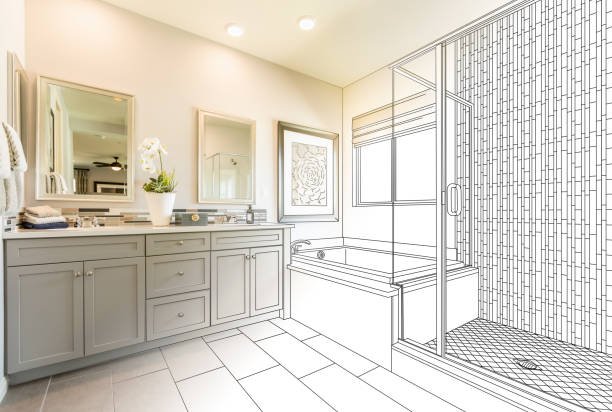
BATHROOM REVIVAL: UNLOCK THE 6 SECRETS TO A LUXURIOUS AND FUNCTIONAL SPACE

If your bathroom is in need of a revival, both in terms of aesthetics and functionality, you’ve come to the right place. In this blog post, we’ll unlock the six secrets to transforming your bathroom into a luxurious and functional space. From selecting the right materials to optimizing storage and incorporating stylish design elements, these secrets will help you create a bathroom that exudes comfort, elegance, and practicality.

1. CHOOSE HIGH-QUALITY FIXTURES AND MATERIALS

To achieve a luxurious bathroom, start by investing in high-quality fixtures and materials. Opt for durable and visually appealing items such as solid brass faucets, porcelain or stone tiles, and quartz or marble countertops. These premium materials not only enhance the overall aesthetic but also ensure long-lasting functionality.

2. FIX EVERYTHING THAT NEEDS FIXING 

One of the key steps in reviving your bathroom into a luxurious and functional space is to address and fix any existing issues. Various aspects of a bathroom, such as plumbing issues, faulty fixtures, damaged tiles, inadequate lighting, poor ventilation, and outdated design elements, can be fixed to improve functionality and create a more luxurious space. If you live in Australia, or anywhere else, look into what it takes to Fix Broken Tiles and revamp your bathroom. By taking the time to identify and repair problem areas, you can create a solid foundation for the transformation. 

3. FOCUS ON LIGHTING

Proper lighting can transform the atmosphere of your bathroom. Aim for a combination of task lighting around the vanity area, ambient lighting for an overall inviting ambiance, and accent lighting to highlight architectural features or artwork. Incorporating dimmers allows you to create a relaxing spa-like environment or energizing brightness as per your preference.

4. UPGRADE TO LUXURIOUS BATHROOM FIXTURES

Small details can make a significant impact on the overall luxurious feel of your bathroom. Upgrade fixtures such as towel bars, showerheads, and drawer handles to high-quality options with a stylish design. Consider indulgent additions like heated towel racks, rainfall showerheads, or a freestanding bathtub for an extra touch of opulence.

5. EMBRACE TIMELESS DESIGN

When planning your bathroom revival, opt for a timeless design that transcends trends. Classic elements such as subway tiles, neutral color palettes, and clean lines never go out of style. You can always introduce pops of color or trendy accessories that can be easily changed as your taste evolves.

6. PAY ATTENTION TO COMFORT

Luxury isn’t just about visual appeal—it’s also about comfort. Enhance your bathroom experience by incorporating elements like heated flooring, spa-like shower systems, or a cozy seating area. Treat yourself to plush bath linens, soft rugs, and aromatic candles to create a tranquil and indulgent atmosphere.

Unlocking the secrets to a luxurious and functional bathroom will completely transform your space into a haven of relaxation and sophistication. By choosing high-quality materials, fixing what needs to be fixed, focusing on lighting, upgrading fixtures, embracing timeless design, and prioritizing comfort, you can create a bathroom that exceeds your expectations. Remember to personalize the space with your own style and preferences, making it a reflection of your unique taste. With these secrets in hand, your bathroom revival is sure to result in an oasis where you can unwind, recharge, and indulge in the everyday luxury you deserve.

ESSENTIAL HVAC MAINTENANCE TIPS FOR OPTIMAL PERFORMANCE

Regular maintenance is essential if you want to ensure optimal performance from your HVAC system and minimize disruption in the long run. Many homeowners need to understand the importance of investing in regular preventative maintenance for their HVAC systems, but this can lead to costly repairs down the line or even a complete breakdown if left unchecked. In this blog post, we’ll explore what affects an HVAC unit’s efficiency over time and provide some essential tips on how to keep it running at peak performance. Keep reading to find out more about keeping your home comfortable while saving money on energy costs.

1. SCHEDULE PROFESSIONAL MAINTENANCE

Having a professional service your HVAC unit regularly is essential if you want to ensure optimal performance. When technicians from HVAC service pooler Ga come in for maintenance, they can identify potential problems before they become serious. Additionally, regular maintenance will help keep your system running efficiently and reduce the risk of unexpected breakdowns.

When looking for a contractor to perform maintenance on your HVAC unit, ask about their qualifications and experience. The more experienced the technician is, the better, as this can ensure that any problems are diagnosed correctly and fixed efficiently.

2. HAVE YOUR DUCTWORK INSPECTED

Keeping your home comfortable throughout the year is essential, and that requires an efficient heating and cooling system. However, if your ductwork has leaks or blockages, it could prevent your system from functioning at its best. This means you could be spending more money on energy bills and not feeling comfortable in your home.

That’s why it’s essential to have your ductwork professionally inspected. A thorough inspection will identify any issues and allow them to be fixed before they become more costly and cumbersome to repair. Don’t let your ductwork be the reason you’re feeling the chill, schedule an inspection today and keep your home cozy all year round.

3. INVEST IN A PROGRAMMABLE THERMOSTAT

A programmable thermostat can help you save money on energy bills and make your home more comfortable. By setting the temperature at different settings depending on the time of day, you can keep your HVAC system from working too hard or running unnecessarily when no one is home. This allows for greater energy efficiency and fewer disruptions in your home.

4. CHANGE YOUR AIR FILTERS REGULARLY

Breathing fresh air is necessary for good health, especially when you are in the confines of your home. To ensure maximum airflow, you must change your air filters regularly. Most experts recommend doing this at least every three months, but if you have pets or allergies, then changing them more often may be needed.

Regularly changing your air filters will keep allergens and dust particles out of the air, but it can also improve energy efficiency and reduce your utility bills each month. A dirty air filter can cause an HVAC system to work harder, so taking the time to replace it often is something you should pay attention to.

By following these crucial tips, you can ensure that your HVAC system is running smoothly and efficiently while keeping your wallet full at the same time. Schedule regular professional maintenance and change your air filters regularly for optimal performance. If you have any questions about keeping your HVAC running at peak performance, contact your local HVAC technician; they will be more than happy to help.