
WHAT TO EXPECT DURING A PLUMBING REPIPE

Is your property experiencing frequent leaks or clogs? Have you noticed signs of erosion in your home’s old pipes? Are you dealing with low water pressure has become a common frustration? Any of these issues may indicate that your plumbing system requires a repipe.  

A plumbing repipe involves replacing the old pipes in your property with new ones, improving your plumbing system’s overall performance and functionality. This process provides a more reliable and efficient plumbing system by eliminating leaks or low water pressure. 

Investing in a plumbing repipe can be worthwhile, whether you plan to repurchase your property, enhance its value, or improve your overall water quality. To help you with your repipe project, it’s important to know what to expect. Read on to learn more: 

1. EVALUATION  

The first step of a plumbing repipe project involves evaluation. Professional repipe specialists Los Angeles (or a similar city) will assess the condition of your existing pipes and search for signs of corrosion or leaks. They’ll also examine the age and material of the pipes, as some materials are more prone to deterioration than others (for example, galvanized steel versus newer materials like copper or PEX). This evaluation is essential to determine the scope of the repiping project and ensure all necessary factors are considered. 

During the evaluation process, one common challenge is identifying hidden plumbing problems. For instance, pipes concealed inside walls or under flooring may be difficult to inspect or access visually. In such cases, plumbers may utilize specialized tools like cameras to investigate the condition of these hidden pipes. This thorough evaluation provides a comprehensive understanding of the repiping requirements and helps avoid any unforeseen issues during the project. 

2. PREPARATION  

Once the evaluation is complete, it’s time to prepare for the repiping project. This stage involves creating a detailed action plan and acquiring the necessary materials. The plumber will estimate the total length of new pipes and calculate the fittings and fixtures needed. Ensuring that all materials meet the relevant plumbing codes and regulations is essential.  

During the preparation phase, you may need to make arrangements for temporary disruptions to your water supply. Depending on the scope of the repiping project, consider staying elsewhere or coordinating water usage to minimize inconvenience. 

Additionally, informing your household members or tenants about the upcoming repipe and any necessary adjustments can help manage expectations and ensure a smoother transition.  

3. REMOVAL OF OLD PIPES  

After completing the evaluation and preparation stages, the next step is to remove the old pipes from your home. This involves disconnecting and extracting the existing plumbing system. A professional plumber will disconnect all fixtures, including toilets, faucets, and showers, and carefully remove the old pipes. 

During the removal process, additional challenges may arise. For example, inaccessible or corroded pipes may require alternative removal methods, such as cutting through walls or flooring. While this may cause temporary disruption or minor damage, a skilled plumber will minimize the impact and work efficiently to complete the removal process. 

4. INSTALLATION OF NEW PIPES  

Once the old pipes are removed, installing the new plumbing system is time. This step involves carefully fitting and connecting the new pipes throughout your home. The plumber will precisely measure and cut the pipes to ensure a proper fit and use fittings to secure and join the sections.  

During the installation, the plumber will consider different fixtures’ water flow and pressure requirements. They will also take into account any specific needs or preferences you have regarding your home’s plumbing layout. The installation process may involve different techniques, such as soldering or crimping, depending on the pipes and fittings used. The goal is to create a reliable and efficient plumbing system providing years of trouble-free service.  

5. CONNECTION TO WATER SOURCE  

After the new pipes have been installed, the next step is to connect the repiped system to the main water supply of your property. A professional plumber will ensure a secure connection and conduct thorough tests, checking for any water leaks or irregularities that must be addressed. 

While connecting the new pipes to the water source, there may be temporary disruptions to your water supply. Rest assured that dependable plumbers will make every effort to minimize inconvenience and swiftly restore the water flow once the connections are complete. 

It’s important to note that during this stage, it’s normal to experience some air in the system, which may result in temporary sputtering or fluctuating water pressure. However, these issues should be resolved after a few days of regular water usage. 

6. RESTORATION AND FINAL INSPECTION  

Once the plumbing system is fully connected and tested, the final step is restoration and inspection. At this stage, any areas opened up or affected during the repipe project will be restored to their original condition. This process includes repairing walls, patching flooring, and reinstalling fixtures.  

After the restoration, a professional plumber will conduct a final inspection to ensure the repiped system functions correctly. They will check for leaks, test the water flow in different fixtures, and verify that all connections are secure. This meticulous inspection is crucial to ensure the longevity and efficiency of the newly repiped plumbing system.  

TIME TO ENJOY YOUR NEWLY REPIPED HOME 

Embarking on a plumbing repipe project may initially seem overwhelming, but by understanding the process and knowing what to expect, you can confidently tackle it. Each step ensures a successful repiping experience, from evaluating your existing pipes to the final inspection.  

So, take this opportunity to upgrade your home’s infrastructure and bid farewell to plumbing disasters.

HOW TO DECLUTTER YOUR HOME EFFECTIVELY AND EFFICIENTLY

In the hustle and bustle of modern life, our homes often become a haven for chaos and clutter. The accumulation of unnecessary belongings not only occupies physical space but also clutters our minds, hindering productivity and peace of mind. Therefore, it is crucial to adopt regular decluttering habits to maintain an organized and harmonious living environment.

THE IMPORTANCE OF REGULAR DECLUTTERING

Living in a cluttered space can profoundly impact our overall well-being. Here are a few key reasons why decluttering your home regularly is essential:

ENHANCED PRODUCTIVITY

A cluttered environment can be a breeding ground for distractions, hindering our ability to concentrate and complete tasks efficiently. Piles of papers, scattered belongings, and an overall disorganized setting can divert our attention, leading to decreased productivity. By decluttering your home, you create an atmosphere of order and efficiency. Everything has its place, and items are easily accessible, eliminating the need to spend precious time searching for misplaced objects. This organized environment stimulates productivity, allowing you to focus on the task at hand and accomplish it more easily.

REDUCED STRESS AND ANXIETY

Visual clutter bombards our senses and can contribute to stress and anxiety. The constant reminder of unfinished tasks or the inability to find what we need adds to our mental burden. However, by decluttering, we create a serene and inviting space. Clear surfaces and uncluttered areas provide a sense of calm, promoting relaxation and allowing us to unwind in our own homes. The act of decluttering itself can also be therapeutic, as we let go of unnecessary items and create a physical representation of letting go of mental clutter.

EFFECTIVE AND EFFICIENT DECLUTTERING STRATEGIES

SET CLEAR GOALS

Before diving into the decluttering process, take a moment to set clear goals for each space or room in your home. Whether it’s organizing your bedroom, clearing out the kitchen cabinets, or tackling the overflowing basement, having a vision of what you want to achieve will provide you with a sense of direction. Write down your goals and keep them visible during the decluttering process to stay focused and motivated.

CATEGORIZE AND SORT

To efficiently declutter, it’s crucial to categorize and sort your belongings. Create designated areas or boxes for items you want to keep, donate, sell, and discard. As you evaluate each item, consider its usefulness, sentimental value, and frequency of use. Be honest with yourself and discard items that no longer bring you joy or serve a purpose. Remember, decluttering is about creating space for the things that truly matter to you.

ONE AREA AT A TIME

Attempting to declutter your entire home at once can be overwhelming and lead to burnout. Instead, tackle one area or room at a time. Begin with smaller spaces, such as a closet or a drawer, before moving on to larger areas. By breaking the process down into manageable tasks, you’ll be able to see visible progress, which will keep you motivated to continue.

DECLUTTERING SESSIONS

Consistency is key when it comes to decluttering. Dedicate specific time slots for decluttering sessions, whether a few hours on the weekend or short daily sessions. Set a timer and work diligently during these sessions, focusing on the task at hand. Taking short breaks in between will prevent burnout and help you maintain your momentum.

THE RULE OF THREE

When you encounter items you’re unsure about, apply the “Rule of Three.” Ask yourself if you have used the item in the past year if you can easily replace it if needed, and if it holds significant sentimental value. If the answer to these questions is no, it’s likely time to let go of the item. Embracing this rule will help you make quick and confident decisions, reducing clutter without second-guessing yourself.

ORGANIZE AND STORE

Once you have decluttered a space, organizing the remaining items is essential. Invest in storage solutions such as bins, baskets, and shelves to maximize space utilization and keep everything in its rightful place. Use labels or color-coding systems to make finding and retrieving items easier when needed. By implementing an organized storage system, you’ll not only maintain a clutter-free space but also create a visually appealing and functional environment.

MAINTAIN REGULARITY

Decluttering is not just a one-time task, but an ongoing process. To prevent clutter from accumulating again, make it a habit to review and declutter your belongings periodically. Set aside time every few months to assess your possessions, identifying items that have become unnecessary or no longer align with your lifestyle. Regular decluttering sessions will help you maintain a clutter-free living environment and save you from feeling overwhelmed in the future.

CONSEQUENCES OF NEGLECTING DECLUTTERING

INCREASED STRESS AND OVERWHELM

A cluttered home leads to a constant feeling of stress and overwhelm. The accumulation of belongings can make it difficult to locate essential items when needed, causing frustration and wasting valuable time.

REDUCED PRODUCTIVITY 

Cluttered spaces inhibit focus and productivity. When your environment is filled with distractions, it becomes challenging to concentrate on important tasks and meet deadlines efficiently.

HEALTH AND SAFETY HAZARDS

Piles of clutter can harbor dust, allergens, and even pests, posing health risks. Additionally, cluttered pathways and obstructed exits can increase the likelihood of accidents and injuries.

NEGATIVE EMOTIONAL IMPACT

Living in a cluttered space can take a toll on your emotional well-being. It can evoke feelings of guilt, shame, and even self-doubt, hindering your ability to relax and enjoy your home.


Decluttering your home is not just a chore but an investment in your physical and mental well-being. By recognizing the importance of decluttering, adopting effective strategies, and understanding the potential consequences of neglect, you can regain control over your living space and create a harmonious sanctuary that nurtures your overall happiness and productivity. So, roll up your sleeves, declutter one step at a time, and unlock the transformative power of an organized home.


Written by Taylor McKnight, Author for SMARTBOX

HOW WILL KITCHEN REMODELING AFFECT YOUR HOME’S VALUE?

Kitchen remodels are one of the most common home renovations, but you don’t have to gut your cooking space and start over. Little improvements and updates often have a bigger return on investment.

While you can conservatively anticipate a 30% to 85% return on your investment in a new kitchen, home sellers typically see a higher ROI on smaller renovations that focus on new appliances, functional countertops, and quality cabinetry.

Major kitchen renovations don’t have as high of a payoff at sale, partly because they may include items and style choices that don’t appeal to the average buyer.

Making some small changes like those listed below can pay off when you sell your home.

CABINETS

If your existing cabinets are in good shape, it’s probably not worth the investment to replace them. Most cabinetry, especially if made of real wood, is easily painted. A neutral tone and some modern hardware are the easiest ways to update your kitchen without a big investment in time or money.


FIXTURES

Along with refreshing the cabinets, replacing the faucet, light fixtures, and door knobs are easy upgrades. These small changes can go a long way in the overall look and feel of your kitchen (or any room). Similarly, upgrading a backsplash or applying a fresh coat of paint falls into the category of minor remodeling that has a larger ROI.


COUNTERTOPS

Most real estate agents agree that you aren’t likely to recoup the cost of new countertops. However, you are likely to sell your home more quickly if you have updated, quality surfaces. When deciding between a stone or manufactured product, again look at the market you’re in and consider your goals. While countertops may not affect your home’s financial value, they will positively impact the appearance and feel of the kitchen.


APPLIANCES

Mismatched, outdated, or poorly functioning appliances are a primary reason for renovating a kitchen. If you’re looking to sell, it’s important to offer buyers a kitchen that functions properly. Updating appliances is the easiest way to do this. Stainless steel has been the go-to for a long time now, but it’s most important to have matching appliances.


WINDOWS

Windows may not be the first thing you think of when renovating a room, but they’re underestimated. Natural light is at the top of buyers’ wishlists, as are well-insulated windows. Replacing and upgrading windows is a major investment and is best done in stages. Why not start in the kitchen?


OVERALL FUNCTIONALITY

Whether you’re looking to sell or stay put for a while, the main goal of a kitchen remodel is to increase functionality. If you have the space, adding an island is a great way to make a kitchen feel bigger while adding counter and storage space. Also, consider updating the sink and adding a garbage disposal if you don’t already have one. For plumbing and electrical work, be sure to bring in a professional.


CONCLUSION

While most home and garden television shows would have us think we need to completely tear our kitchens down to the studs, that’s not necessary. A small renovation will have a major impact on your home’s value. Consider the usefulness of the space, the typical buyer in your area, and how much of a project you want to undertake.

And always remember this: Every kitchen update will help you enjoy your space while you still live there, and entice buyers when your home hits the market.

Alison is a Midwesterner through and through and loves to spend her time traveling, baking, writing, and reading.

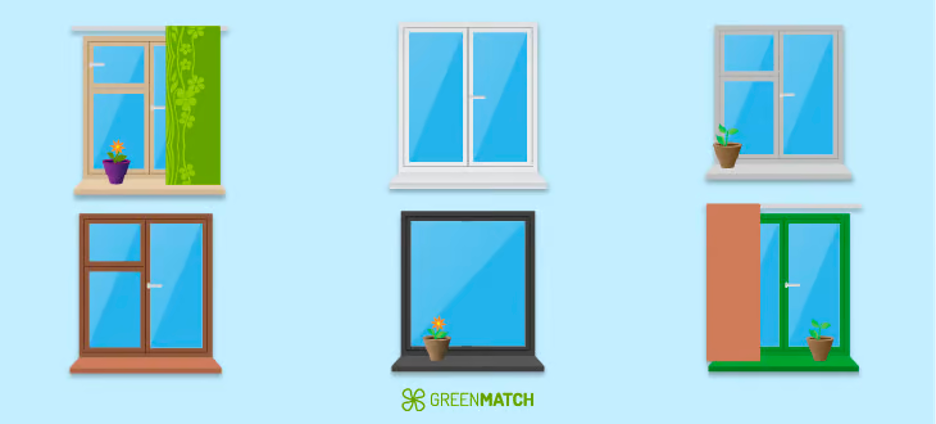
CHOOSING THE BEST WINDOW FRAME COLOURS

Selecting the appropriate colour for your window frames is a crucial element of the home design that can significantly impact your home’s overall appearance and ambience. The right window frame colour can accentuate your home’s style, complement its overall aesthetic, and boost curb appeal. However, it’s important to consider the style of your home’s architecture and style when making this decision.

Traditional styles lean toward warm colours like reds, yellows, oranges, and browns, while modern techniques lean toward cooler tones like greens, blues, purples, and greys. Black and white window frames work well with most design styles. The exterior siding material’s colour also impacts the home’s feel. For a traditional style, the colour of the window frame should pop out or contrast with the house’s colours, while for a modern style, the colour of the window frames should be similar or blend in with the house’s colours.

CREATING A DESIGN PLAN FOR THE WINDOW FRAME

Creating a design plan for your window frame is important in choosing the right colour for your home. By considering the style of your home’s architecture, the colours of your home’s exterior siding material, and your style, you can narrow down your options and choose a colour that will enhance the beauty of your property.

Keeping a few key factors in mind when deciding on a window colour frame is important. We consulted with some experts, and here are some tips to consider in choosing colours to complete your home. 

WINDOW FRAME TIPS TO TRANSFORM THE LOOK AND FEEL OF YOUR LIVING SPACE

  1. Consider your style and preferences. Pick colours that reflect your personality, family, and what you like. Picking a colour scheme is one of the most daunting tasks when decorating your home, but it’s important to choose colours that you love and that make you feel comfortable.
  2. Look for inspiration. Consider catalogues, magazines, and websites for inspiration when selecting paint colours for your home. A jumbled collection of colour cards in fifty shades of your preferred colour can be overwhelming, so it’s important to have a starting point.
  3. Create a design plan. Before choosing colours, create a design plan for your home. This will help you determine the overall style and colour palette you want. Once you know the context of the type and broad colour palette, you can work through which options will coordinate.
  4. Consider the lighting in your home. It is crucial to consider the varying lighting in your room before finalising a colour palette. Make sure you think through how various colours and textures will look in different lighting conditions.
  5. Establish a cohesive colour palette throughout the entire house. An excellent tip for choosing interior paint colours for your home is to establish a coherent colour palette throughout the whole house that can also complement the exterior of your home.
  6. Feel free to mix and match. You don’t have to stick to one colour throughout your home. Mixing and matching colours can add depth and interest to your space.
  7. Consider the impact of window frame colour. The window frame colour can set the tone for the rest of your exterior decisions. Choosing a colour that will coordinate well with the rest of your exterior is essential.

DIFFERENT COLOURS FOR WINDOW FRAMES

Choosing the right colour for your window frames can be a daunting task. With many options available, figuring out where to start can take time. The colour of your window frame can make a significant difference in the feel and look of your home, significantly impacting the overall look. By considering the style of your home, the colours of your home’s exterior siding material, and your style, you can narrow down your options and choose a colour that will enhance the beauty of your property.

Here are some of the most popular window frame colours and what they can bring to your home:

  1. White: White is a classic and timeless colour for window frames. It works well with any home style, making your windows look more extensive and prominent. White frames also reflect light, which can help keep your home cooler in the summer.
  2. Black: Black window frames are a popular choice for modern and contemporary homes. They can add a sleek and sophisticated look to your home and make your windows look like works of art. Black frames also provide a nice contrast against light-coloured walls.
  3. Brown: Brown window frames are an excellent choice for traditional and rustic homes. They can add warmth and depth to your home and complement natural wood finishes. Brown frames also work well with earthy tones, creating a cosy and inviting atmosphere.
  4. Grey: Grey window frames are a versatile choice that can work with many different styles of homes. They can add a modern, sophisticated look to your home and complement the light and dark-coloured walls. Grey frames also provide a nice contrast against white or cream-coloured walls.
  5. Cream: Cream window frames are a neutral and understated choice that can work well with many different styles of homes. They can add warmth and depth to your home and complement light and dark-coloured walls. Cream frames also provide a nice contrast against white walls.
  6. Green: Green window frames are a unique and bold choice that can add character and personality to your home. They work well with natural surroundings and can complement homes with greenery. Green frames also provide a nice contrast against light-coloured walls.

Worthy of note is when choosing the colour of your window frames, they are available in various materials and styles, each with advantages and disadvantages. Some common materials include wood, vinyl, aluminium, fibreglass, wood-clad, and composite. Think about how you want your windows to be open and close and whether you want features like screens or grilles.

Consider the location of your windows and whether you need features such as tempered glass for safety, double-glazed, casement, bay or awning windows.  Consider durability, maintenance requirements, and cost when choosing a frame material.

THINK ABOUT THE CLIMATE WHEN CHOOSING YOUR WINDOW FRAME

When choosing a colour theme, one important fact is considering your environment, looking for energy-efficient options, selecting a colour that complements your home’s exterior, considering the style of your home, and consulting with experts. You can choose a colour that will enhance the beauty of your property and keep your home comfortable year-round.

Your window frames can affect the temperature inside your home. Dark colours absorb more heat than light, so if you live in a hot climate, consider lighter-coloured structures to keep your home cooler. Energy-efficient windows can keep your home comfortable year-round, regardless of your environment. Look for windows with low-E coatings, which can reflect heat and UV rays.

”The colour of your window frames subtly impacts the temperature inside your home. Darker colours, such as deep browns or black, tend to absorb more heat from sunlight, potentially raising the temperature slightly within the vicinity of the windows. On the other hand, lighter colours like white or beige reflect more heat, which can help keep the interior cooler”. Jacky Chou. Principal and Director at Archute.

The style of your home can also impact the colour of your window frames. Traditional styles lean toward warm colours like reds, yellows, oranges, and browns, while modern techniques lean toward cooler tones like greens, blues, purples, and greys. If you are still trying to decide which colour to choose, consult with experts. They can guide you in determining the perfect window frame colour for your home.

According to an expert, the colour of your window frames should complement the colour of your home’s exterior. Look for colours that work well with the existing colour palette of your home.

“Consider the existing colours of your home’s exterior, including the siding, trim, and roof. Look for window frame colours that complement or create a pleasing contrast with these existing elements. You can use colour swatches or consult with a professional for guidance.” Samatha Odo, Real Estate


DON’T BE AFRAID TO STAND OUT

While choosing a colour that complements your home’s existing colour palette and the surrounding environment is important, don’t be afraid to stand out. A bold colour can make your home stand out and look beautiful if done tastefully. Consider using a bold colour for your front door or shutters or as an accent colour on your home’s exterior.

Another important factor to consider when choosing a colour for your home’s exterior is the surrounding environment. Look at the colours of the trees, plants, and other natural features around your home, and choose a colour that complements them. For example, a warm beige or cream colour can be a good choice if green trees surround your home.

Like with interior design, colour can help create a mood for your home’s exterior. For example, if you want your home to feel welcoming and inviting, warm colours like red, orange, and yellow can be a good choice. On the other hand, if you want your home to feel calm and serene, cool colours like blue, green, and purple can be a good choice.

“The material of the window frame, the choice of paint, and the application process are all determinants of resilient window frames. For example, fibreglass window frames are a great choice. This type of material is resilient and can last homeowners a long time. It is also important to select high-quality paint. You should avail the services of a professional contractor for the paint application process.” Jasen Edwards, Chair of the Agent Editorial Board.

Choosing the right colour for your home’s exterior is essential for creating a beautiful and cohesive look. Consider the mood you want to create, your home’s existing colour palette, and the surrounding environment, and don’t be afraid to stand out. With these tips, you can choose a colour to make your home look beautiful and unique.

Do you know what colour you want? GreenMatch can help you compare window quotes. Do you not hesitate to fill in the contact form for our suppliers? It’s free, easy, and efficient!  

CHOOSING THE RIGHT INTERNET PROVIDER FOR REMOTE WORK: A COMPREHENSIVE GUIDE

Having the right internet provider is essential for making sure your remote work runs as smoothly as possible. With so many options out there, it can be overwhelming to decide which one is best for you and your specific needs. Don’t worry, though! 

In this comprehensive guide, we will walk you through all the important considerations to make when selecting an internet provider for working from home. We’ll provide you with helpful tips on assessing connection speeds, finding the most affordable packages, and other traits that could help ensure successful online operations. So grab a cup of coffee and get comfy – let’s start exploring your ideal internet service setup today!

ASSESSING AVAILABLE INTERNET OPTIONS IN YOUR AREA

With so many internet options available, it can be overwhelming to choose the right one for your remote working needs. Whether you need high-speed internet for connecting to important websites or a reliable connection for telecommuting, it’s important to assess what’s available in your area. Don’t settle for a subpar connection that doesn’t meet your needs! You did click here for more information so let’s take some time to explore all the options available. Look into providers in your area, compare internet packages and prices, and don’t forget to check for hidden fees or long-term commitments. Don’t be afraid to ask questions – a good provider will be able to answer any queries you have about their services.

UNDERSTANDING YOUR REMOTE WORK INTERNET NEEDS

Remote work has become a way of life for many of us, but have you considered whether you have the right internet connection for your work needs? Understanding your internet requirements is crucial for a seamless and productive remote work experience. Video conferencing, uploading and downloading files, and accessing cloud-based software are just some of the internet-dependent activities that you may undertake as a remote worker. Make sure you know what speeds your internet connection can support and how many people can use it at the same time. 

You may even need to upgrade your internet plan or invest in a better router to ensure that you’re not experiencing frustratingly slow internet speeds. A little bit of preparation and investment can go a long way in combating internet connectivity issues, and help you to get the most out of your remote work experience.

TYPES OF INTERNET CONNECTIONS: PROS AND CONS


Not all internet connections are created equal. The type of internet connection you choose can significantly impact your online experience. There are several types of internet connections available in the market, each with its unique pros and cons. For instance, cable internet is known for its high-speed capabilities but can be vulnerable to congestion during peak usage times. Similarly, DSL connections are affordable but may suffer from slow speeds. As a user, it’s essential to understand the differences between the various types of internet connections available to make an informed decision that best suits your needs.

THE IMPORTANCE OF INTERNET SPEED FOR REMOTE WORK

With more people than ever before working remotely, the importance of internet speed cannot be overstated. A slow internet connection can cause frustration and ultimately impact productivity. It’s not just about waiting longer for pages to load or emails to send, but also the ability to use video conferencing and other collaborative tools. A good internet speed can make all the difference in ensuring that remote workers can communicate and work effectively with colleagues and clients. In short, the faster your internet, the faster you can get things done and the more productive you can be.

Working from home has become an integral part of many people’s lives and the right internet connection is key to success. Choosing the right type of internet connection for your needs requires careful consideration of available options in your area—DSL, Fiber, Cable/ Broadband, or Satellite—all offering pros and cons unique to each. It is also important to consider internet speed when selecting a service provider to ensure that you have enough speed for your remote work needs. With all this information, you are now armed with the tools needed to make an informed decision about what type of internet connection can best support your remote lifestyle.

7 WAYS YOU CAN MODIFY YOUR LIVING QUARTERS TO GIVE BACK TO THE ENVIRONMENT

As awareness of environmental issues grows, many individuals seek ways to make a positive impact. One significant way to contribute is by modifying your home to be more eco-friendly. Implementing green technologies can cut your ecological footprint.


WHAT TO CONSIDER WHEN MAKING YOUR HOME GO GREEN

Before embarking on a journey to make your home eco-friendly, consider a few key factors:

●      Assess your home’s energy consumption and identify areas where you can reduce waste.

●      Test your heating and cooling systems to determine their efficiency levels

●      Exploring renewable energy options such as solar panels is essential. Clean energy sources can reduce your reliance on non-renewable energy.

●      Water conservation is another critical aspect, so check your water usage.

SEVEN WAYS YOU CAN CHANGE YOUR LIVING QUARTERS TO GIVE BACK TO THE ENVIRONMENT


1. FOCUS ON ENERGY EFFICIENCY

Energy efficiency is one of the considerations when making your home eco-friendly. Start by ensuring your home is well-insulated to reduce heat loss during winter. Limit the need for excessive cooling in summer. Replace traditional incandescent bulbs with energy-efficient LED lights. Use programmable thermostats to optimize energy consumption. Installing solar panels can reduce reliance on fossil fuels and provide clean, renewable energy for your household.


2. HARVEST RAINWATER 

Water scarcity is a growing concern. Harvesting rainwater can help mitigate this issue. Install a rain barrel or a more extensive rainwater harvesting system to collect rainwater from your roof. This water can be used for activities like watering your garden, cleaning outdoor spaces, and flushing toilets. By reducing the demand for treated water, you conserve resources and lower the strain on local water supplies.


3. EMBRACE SUSTAINABLE LANDSCAPING

Transform your outdoor space into an eco-friendly haven by implementing sustainable landscaping practices. Consider incorporating gabions, wire baskets filled with stones, into your garden design. These create a pleasing feature and serve as natural water filters and retainers. Install green walls or vertical gardens which use vertical space. It enhances air quality while adding a touch of natural beauty to your home.


4. OPT FOR ECO-FRIENDLY BUILDING MATERIALS

When changing your home, choose building materials that are sustainable and environmentally friendly. Look for products with low volatile organic compound emissions to improve indoor air quality. Explore reclaimed wood, bamboo flooring, or recycled glass countertops. Using eco-friendly materials reduces the depletion of natural resources. It minimizes the environmental impact associated with conventional construction materials.


5. INSTALL SMART HOME TECHNOLOGY

Harnessing the power of technology can significantly enhance the sustainability of your home. Innovative home systems allow you to automate and optimize energy consumption. You can also track energy usage and receive real-time data to make informed decisions about conservation. Smart appliances, like energy-efficient refrigerators and washing machines, can reduce your carbon footprint.


6. INSTALL WATER-SAVING FIXTURES

Reducing water consumption is crucial for a sustainable home. Swap out old, inefficient fixtures with low-flow alternatives. Install aerators on faucets to reduce water flow without sacrificing functionality. Consider replacing conventional toilets with low-flow models that use less water per flush. Upgrading your appliances, such as dishwashers, to more water-efficient versions can make a noticeable difference.


7. CREATE A SUSTAINABLE WASTE MANAGEMENT SYSTEM

An effective waste management system is an essential aspect of an eco-friendly home. Implement a recycling program and provide separate bins for different types of waste. Compost organic materials to reduce the amount of waste sent to landfills. Explore local recycling facilities and donation centers to dispose of items that can be repurposed. Minimizing waste contributes to reducing pollution and conserving natural resources.


OTHER WAYS TO GIVE BACK TO THE ECOSYSTEM

Beyond modifying your home, there are extra ways to impact the environment.


●      Support local wildlife by creating habitats, such as birdhouses, bee-friendly gardens, or butterfly feeders.

●      Plant native vegetation in your yard to promote biodiversity and provide food and shelter for local species.

●      Reduce reliance on single-use plastics by choosing reusable alternatives like cloth bags and stainless steel water bottles.

CONCLUSION

Changing your home to give back to the environment is a commendable endeavor that benefits your household and the planet. Considering the above methods, you can create a greener living space that minimizes your carbon footprint. Sustainable landscaping practices and waste management systems contribute to a more eco-friendly lifestyle. Remember, every small change adds up. These modifications play an active role in protecting the environment for future generations.


Written by Taylor McKnight, Author for Gabion Supply

RENOVATING WITH SAFETY IN MIND: ELECTRICAL CONSIDERATIONS FOR HOME REMODELS

A home renovation offers a fresh start for your home and lifestyle. It’s the ideal time to revamp your space, instill personal design preferences, and upgrade outdated fixtures. While the process can be exciting, it calls for careful planning and deliberation.   

One critical component requiring special attention is your house’s electrical system. Considering the potential hazards associated with faulty wiring, worn-out outlets, or inadequate safety measures, the electricity aspect is undeniably a priority. This article delves into the electrical considerations during a home remodel. Keep reading for all the details!  


1. Understanding The Dangers Of VIR Cabling  

When envisioning a dream home, one might not consider the unseen elements, such as the type of wiring within the walls. However, this factor can significantly influence your residence’s safety and functionality. A prominent example is Vulcanized Indian Rubber (VIR) cabling. This wiring, used widely in homes built before the 1960s, can pose significant hazards as it ages. The dangers of VIR cabling include the following:   

  • Risk of electric shock: Degradation of the rubber insulation can expose naked wires, potentially causing electric shocks upon contact.  
  • Fire hazards: The exposed wires can spark and ignite fires, especially when in contact with flammable materials like wood or insulation.  
  • Electrical failures: The aging and deterioration of VIR cables can lead to unexpected electrical failures, resulting in loss of power and damage to appliances due to irregular power flow or sudden surges.  
  • Electrocution risk: In extreme cases, contact with exposed wiring from deteriorated VIR cables can cause electrocution and severe injuries.   

Hence, if your property contains VIR cabling, replacing it during renovation becomes vital. Modern alternatives, like PVC-insulated cables, offer increased safety, reliability, and durability. Overlooking this critical step in the renovation process might lead to complications in the future. Safety should be paramount, and understanding the risks of VIR cabling is an essential part of that process.  

2. Upgrading The Electrical Panel   

The electrical panel is the heart of a home’s electrical system. It controls and distributes electricity to different parts of the house. Notably, an older electrical panel can struggle to support the demands of modern appliances. In older homes, electrical panels were designed to accommodate lower electrical loads. However, with the advent of power-intensive appliances and electronics, these older panels may not meet current needs. The mismatch can lead to frequent tripping of circuit breakers or, worse, cause overheating and potential fire hazards.  

To counter this, upgrading the electrical panel is essential. This isn’t a simple DIY job. It requires the expertise of a professional electrician to assess the current panel, determine its adequacy for your home’s needs, and perform an upgrade if necessary. A well-planned upgrade guarantees a stable and safe electricity supply capable of meeting the demands of a modern household.  


3. Identifying And Replacing Outdated Outlets  

Electrical outlets act as conduits connecting your appliances and devices to the home’s power source. However, outdated or ill-equipped outlets can pose serious safety risks, especially in moisture-prone areas like kitchens and bathrooms.  

Conventional outlets lack a vital safety feature that modern ones incorporate: Ground Fault Circuit Interrupter (GFCI) protection. GFCIs are designed to turn off an electrical circuit when they detect a current flowing along an unintended path, such as through water or a person, preventing potential electric shocks.   

Switching outdated outlets for GFCI-protected ones enhances safety. Additionally, outlets that are loose, damaged, or show signs of burning should be replaced immediately. Remember, this task should be left to professionals. They’ll ensure the replacements are done correctly, safely, and in compliance with local electrical codes and standards, providing homeowners with peace of mind.  


4. Adopting Adequate Safety Measures  

Managing a home remodel involves more than picking the right paint color or the ideal light fixture. It entails the less visible yet critical task of adopting adequate safety measures, especially with electrical components. That includes engaging a licensed and experienced electrician. These professionals understand local electrical codes and follow the best practices for safe installation and repair. They’ll ensure the electrical work is up to standard, reducing the risk of faulty wiring and potential electrical dangers.  

Installing smoke detectors and carbon monoxide detectors is another crucial safety measure. These devices provide early warning signals in case of danger, potentially saving lives during emergencies. Installing them in sleeping areas, hallways, and on each level of your house, including the basement, is recommended.  

Ensuring electrical safety isn’t a one-time event but a continuous commitment. It’s essential to creating a safe, comfortable, and efficient living environment. 


5. Prioritizing Regular Maintenance   

Regular electrical maintenance, performed by certified electricians, ensures your system remains safe and efficient. It allows for early detection of potential issues before they escalate into serious problems. This could involve inspecting the electrical panel for signs of overheating, checking outlets and switches for wear or damage, and testing safety devices like smoke detectors and GFCI outlets to verify their functionality.  

By prioritizing regular maintenance, homeowners can extend the lifespan of their electrical system, prevent unexpected breakdowns, and ensure their property’s safety.  


Conclusion  

As a homeowner, creating your dream home involves making various decisions. Among the choices about design, color, and style is the invisible but invaluable decision about electrical safety. A remodel isn’t just about designing an aesthetically pleasing space but also about ensuring a secure environment for its inhabitants. By focusing on electrical safety, homeowners ensure that their remodeled home is beautiful, functional, and a haven of safety.

WHAT TO INCLUDE IN EVERY KIDS ROOM

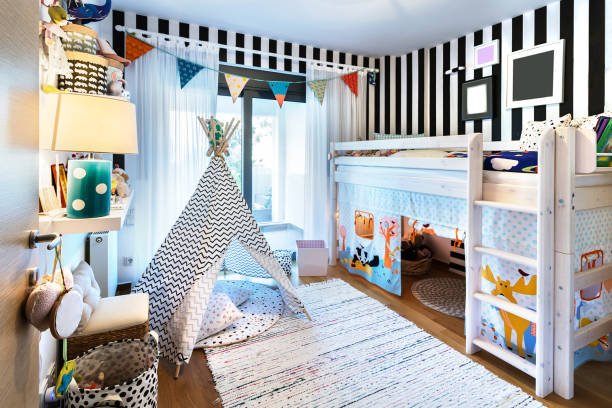
Kids bedroom with bunk wooden bed, teepee, stands, carpet frames and toys.

The Perfect Child’s Room: Creating a Safe, Engaging, and Fun Environment

Creating the perfect room for your child can be a daunting task. You must consider many variables, including furniture, colors, and hundreds of other tiny details. But, at the core of these decisions, you get an excellent opportunity to build a haven that showcases your child’s personality and passions while encouraging healthy growth and development.

The perfect child’s room, as you imagine it, is a beautiful collision of educational tools, safety measures, and personal interests like dolls or action figures. We’ll give you ideas to help you create the perfect child’s room that ensures safety, encourages creativity, and keeps them entertained for hours below.

ENSURING YOUR CHILD’S ROOM IS SAFE

As parents, your child’s safety is always on your mind. So, their room has to be one of the safest spaces in the home. A few safety measures to keep in mind include but are not limited to:

●      Secure the Furniture – Most kids love to explore and are very curious. Anchoring heavy furniture pieces like bookcases, dressers, or TV stands to the wall can stop them from tipping over and falling on your child.

●      Safe Toy Storage – Buy toy storage units that have removable lids, or go for open containers to store all of your child’s favorite toys. These are much safer than hinged, heavy chests that can accidentally lock your kid inside.

●      Put Non-Slip Rugs Down – Kids love to run around as they play, and adding a few non-slip mats under any area rug gives your child more secure footing. You also want to buy rugs with short piles to prevent your kid from tripping and falling.

●      Secure the Windows – Window stops and guards are critical in your kid’s room. Along with installing them, make a point to keep all the furniture away from the windows and discourage your kids from climbing and risking a fall.

●      Smoke Detector – Install a smoke detector out of your child’s reach in their room and make a point to test it regularly. It’s also a good idea to consider installing a carbon monoxide detector somewhere in the room.

INCORPORATE FUN AND LEARNING ESSENTIALS

Ideally, your kid’s room will be a space where their imaginations can take over, and they can learn while they play. This means you should have some fun learning toys or design certain areas of the room to promote these essentials. To do so, you can consider adding one or a few of the following:

●      Themed Corners – Use the corners of the room to create fun areas with your child’s favorite subjects. Maybe they’re a huge superhero or action figure person, or they like dolls. Stocking this area helps encourage imaginative play.

●      Reading Nooks – Design a comfortable reading nook with plush chairs or cushions that encourages your child to relax and read. You can stock a low bookshelf with their favorites too.

●      Art Station – Setting up an art station with easels, crayons, drawing paper, and washable markers can encourage your child’s imagination while helping to develop their fine motor skills.

●      Educational Toys – Toys like building blocks, puzzles, and science kits can make learning engaging and fun for your child. These toys are great for helping stimulate critical thinking and problem-solving skills, and this helps with cognitive development.

DANGEROUS ITEMS TO AVOID IN YOUR CHILD’S ROOM

While you work to create a fun, vibrant atmosphere for your kid in their room, there are a few things you want to avoid. These things include:

●      Small Objects – Small parts from toys are choking hazards for children under three years old. When your child is this young, choose larger, child-friendly toys.

●      Unsecured Heavy Furniture – Any heavy furniture that isn’t anchored to the floor or wall is a tipping hazard. Secure these items so your child doesn’t get hurt by falling furniture.

●      Loose Wires or Cords – Wires or cords can present a danger if you leave them in your kid’s reach. Use cord wind-ups and shorteners to keep them out of reach and prevent strangulation risks.

●      Toxic Materials – Take time to ensure each item you bring into your child’s space, including furniture, rugs, paints, and toys, are free from harmful substances like lead or phthalates.

A HAPPY ENDING – FINAL THOUGHTS ON CREATING THE PERFECT CHILD’S ROOM

Creating a haven for your child is a very fine balancing act of creating a fun, stimulating environment while ensuring it’s safe. Your child will learn, play, sleep, dream, and grow in this room. By being careful when you pick out all of the elements that make up the room, you can create a comfortable and safe space.

While you focus on the design, make sure to avoid potential hazards. Your goal is to create a sanctuary where your child can be themselves, learn, and explore their interests while you get the peace of mind that comes with knowing you made this space for them. With careful planning and execution, the perfect child’s room is in your grasp.


Written by Taylor McKnight, Author for LOL Surprise

8 LAKE HOUSE NECESSITIES YOU NEVER KNEW YOU NEEDED

Not only are lake houses excellent investment opportunities, it always feels as though you’re on vacation when you spend time on the property. If you love the great outdoors, lake houses offer proximity to the water, where you can enjoy boating, fishing, swimming, and other aquatic activities. By preparing for your trip and purchasing the necessary items early, you can take full advantage of your lake house vacation and enjoy some much-needed rest and relaxation.


1. Life Jackets

Before buying any other items for your lake house, you must purchase well-fitted life jackets for yourself and your family. It’s always a good idea to have a few extra life jackets for guests. Make sure to choose a jacket that the U.S. Coast Guard has approved, and always be sure it is appropriate to size. Never buy an oversized life jacket for your child to “grow into,” as there will be too much room above the openings to keep your child safely afloat.


2. Bumper Buoys

Bumper buoys help protect your boat from bumping into the dock or other boats while you spend time on the lake. They’re also convenient if you enjoy floating on the lake with other boaters. When purchasing bumper buoys, you’ll want to buy two per each side of the boat, with one in the front and one in the back. You can even coordinate the bumper colors to match your boat’s paint scheme.


3. Towable Tubes

Water tubing is a fun family activity everyone can enjoy while relaxing on the lake. Kids and novices can focus on having fun without worrying about balance or steering. When choosing a towable tube, consider the age and number of riders you’ll be towing. In addition, make sure there is a well to sit in and enough handles for riders to hold on tightly.


4. Knee Boards

If your kids are getting bored with tubing yet aren’t quite ready for water skis, kneeboards are the perfect transition item. A kneeboard helps them get the hang of holding onto a rope while getting pulled and bolsters their self-confidence while they learn how to balance. Beginners should start with plastic kneeboards, which are softer on the knees than fiberglass and easier to control.


5. Anchor Hooks for Beach Towels

When visitors are at your house, you’ll want to ensure you have enough anchor hooks to hang everybody’s wet beach towels. Check that they are wide and durable enough to support the weight of oversized towels too. Plenty of retailers sell anchor hooks in many nautical shapes and colors, so you can easily match them to your preference or taste.


6. Waterproof Bluetooth Speakers

Waterproof speakers are a must-have for every lake house. Music sets the mood for a festive atmosphere, but you’ll want to ensure your speakers are sturdy enough to withstand the heat, wind, and water. Try to choose a waterproof Bluetooth speaker with a handle and wheels so you can cart it around wherever the party takes you, whether by the dock, on the boat, or back to the lake house.


7. Portable Canopy Tent

While lake houses are the perfect retreat for some much-needed fun in the sun, you’ll also want the option to relax in the shade. A portable canopy tent is easy to set up and allows you to stay outside longer without the risk of overheating or getting sunburnt. It’s also a great place to stay dry if a stray shower pops up while you’re far away from your lake house.


8. Fishing Net

If you plan on fishing during your lake house stay, consider purchasing a high-quality fishing net. Fishing nets allow you to get your catch into the boat quickly without expending extra effort reeling it in. While a shorter mesh net is preferable for river fishing, you’ll want to buy a longer one if you’re fishing from your boat.


Other Fun Things You Should Have at Your Lake House

While you’ll spend plenty of time enjoying the great outdoors during your stay, you’ll want to have a few other items on hand in case of rain or cooler weather. Bring along a variety of games and activities you can play around the property. Some great ideas for outdoor play include cornhole, croquet, and volleyball. Make sure to include a few puzzles and board games as well. This way, you’ll be able to enjoy your vacation regardless of what Mother Nature may throw your way.


Written by Taylor McKnight, Author for Delta Net and Twine

TOP 10 TIPS FOR NEW HOMEOWNERS

Congratulations on becoming a new homeowner! This exciting milestone comes with a mix of emotions and responsibilities. As you settle into your new space, it’s essential to take steps to make your house a comfortable and enjoyable home. To help you along this journey, we’ve compiled a list of the top 10 tips for new homeowners.

1. Create a Budget:

Start by creating a detailed budget that outlines your monthly expenses, including mortgage payments, utilities, insurance, and maintenance costs. Knowing your financial boundaries will help you make informed decisions and avoid overstretching your finances.

2. Prioritize Maintenance:

Regular maintenance is crucial for preserving your home’s value and avoiding costly repairs down the road. Create a maintenance schedule for tasks such as HVAC system checks, gutter cleaning, and roof inspections. Staying on top of maintenance will keep your home in top condition.

3. Get to Know Your Neighborhood:

Take some time to explore your new neighborhood and get to know the local amenities, schools, parks, and shops. Introduce yourself to your neighbors, as they can be a valuable source of information and support.

4. Home Security:

Invest in a reliable home security system to protect your property and provide peace of mind. Install sturdy locks, outdoor lighting, and consider security cameras to deter potential intruders.

5. Energy Efficiency:

Make your home more energy-efficient to reduce utility bills and minimize your environmental impact. Consider installing LED bulbs, programmable thermostats, and weatherstripping around doors and windows. Additionally, insulating your home properly can lead to significant energy savings.

6. Take Baby Steps with Home Improvements:

It’s natural to want to personalize your new space, but take it step by step. Prioritize essential repairs and improvements first, and then gradually tackle larger projects. This approach will help you stay organized and avoid overwhelming expenses.

7. Get Familiar with the Circuit Breaker and Water Shut-off:

Know the location of your home’s circuit breaker and water shut-off valve. In case of emergencies or power outages, you’ll need to access these quickly. Additionally, consider labeling the switches in the circuit breaker for easier identification.

8. Home Insurance:

Ensure you have the appropriate home insurance coverage to protect your property against unforeseen events, such as fires, floods, or theft. Shop around for the best insurance policy that suits your needs and budget.

9. Keep Important Documents Safe:

Organize and store important documents, such as your home purchase agreement, insurance policies, and property records, in a secure location. Consider using a fireproof safe or digital storage for added protection.

10. Embrace Patience and Flexibility:

Owning a home is a long-term commitment, and it’s natural to encounter challenges along the way. Embrace patience and flexibility as you adapt to your new role as a homeowner. Remember that it’s okay to ask for help and seek advice from experienced homeowners or professionals when needed.

Conclusion:

Becoming a new homeowner is an exciting adventure that comes with responsibilities and rewards. By following these top 10 tips, you can create a solid foundation for a happy and successful homeownership journey. Remember to be proactive with maintenance, prioritize your budget, and take gradual steps in home improvements. Embrace the sense of community in your neighborhood, and most importantly, enjoy the process of turning your house into a warm and welcoming home for you and your loved ones.