
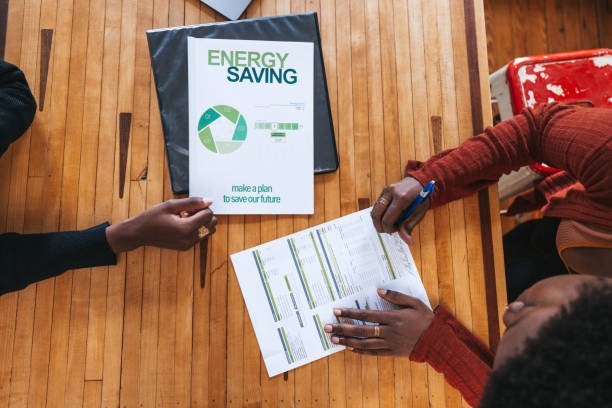
7 WAYS YOU CAN MODIFY YOUR LIVING QUARTERS TO GIVE BACK TO THE ENVIRONMENT

As awareness of environmental issues grows, many individuals seek ways to make a positive impact. One significant way to contribute is by modifying your home to be more eco-friendly. Implementing green technologies can cut your ecological footprint.


WHAT TO CONSIDER WHEN MAKING YOUR HOME GO GREEN

Before embarking on a journey to make your home eco-friendly, consider a few key factors:

●      Assess your home’s energy consumption and identify areas where you can reduce waste.

●      Test your heating and cooling systems to determine their efficiency levels

●      Exploring renewable energy options such as solar panels is essential. Clean energy sources can reduce your reliance on non-renewable energy.

●      Water conservation is another critical aspect, so check your water usage.

SEVEN WAYS YOU CAN CHANGE YOUR LIVING QUARTERS TO GIVE BACK TO THE ENVIRONMENT


1. FOCUS ON ENERGY EFFICIENCY

Energy efficiency is one of the considerations when making your home eco-friendly. Start by ensuring your home is well-insulated to reduce heat loss during winter. Limit the need for excessive cooling in summer. Replace traditional incandescent bulbs with energy-efficient LED lights. Use programmable thermostats to optimize energy consumption. Installing solar panels can reduce reliance on fossil fuels and provide clean, renewable energy for your household.


2. HARVEST RAINWATER 

Water scarcity is a growing concern. Harvesting rainwater can help mitigate this issue. Install a rain barrel or a more extensive rainwater harvesting system to collect rainwater from your roof. This water can be used for activities like watering your garden, cleaning outdoor spaces, and flushing toilets. By reducing the demand for treated water, you conserve resources and lower the strain on local water supplies.


3. EMBRACE SUSTAINABLE LANDSCAPING

Transform your outdoor space into an eco-friendly haven by implementing sustainable landscaping practices. Consider incorporating gabions, wire baskets filled with stones, into your garden design. These create a pleasing feature and serve as natural water filters and retainers. Install green walls or vertical gardens which use vertical space. It enhances air quality while adding a touch of natural beauty to your home.


4. OPT FOR ECO-FRIENDLY BUILDING MATERIALS

When changing your home, choose building materials that are sustainable and environmentally friendly. Look for products with low volatile organic compound emissions to improve indoor air quality. Explore reclaimed wood, bamboo flooring, or recycled glass countertops. Using eco-friendly materials reduces the depletion of natural resources. It minimizes the environmental impact associated with conventional construction materials.


5. INSTALL SMART HOME TECHNOLOGY

Harnessing the power of technology can significantly enhance the sustainability of your home. Innovative home systems allow you to automate and optimize energy consumption. You can also track energy usage and receive real-time data to make informed decisions about conservation. Smart appliances, like energy-efficient refrigerators and washing machines, can reduce your carbon footprint.


6. INSTALL WATER-SAVING FIXTURES

Reducing water consumption is crucial for a sustainable home. Swap out old, inefficient fixtures with low-flow alternatives. Install aerators on faucets to reduce water flow without sacrificing functionality. Consider replacing conventional toilets with low-flow models that use less water per flush. Upgrading your appliances, such as dishwashers, to more water-efficient versions can make a noticeable difference.


7. CREATE A SUSTAINABLE WASTE MANAGEMENT SYSTEM

An effective waste management system is an essential aspect of an eco-friendly home. Implement a recycling program and provide separate bins for different types of waste. Compost organic materials to reduce the amount of waste sent to landfills. Explore local recycling facilities and donation centers to dispose of items that can be repurposed. Minimizing waste contributes to reducing pollution and conserving natural resources.


OTHER WAYS TO GIVE BACK TO THE ECOSYSTEM

Beyond modifying your home, there are extra ways to impact the environment.


●      Support local wildlife by creating habitats, such as birdhouses, bee-friendly gardens, or butterfly feeders.

●      Plant native vegetation in your yard to promote biodiversity and provide food and shelter for local species.

●      Reduce reliance on single-use plastics by choosing reusable alternatives like cloth bags and stainless steel water bottles.

CONCLUSION

Changing your home to give back to the environment is a commendable endeavor that benefits your household and the planet. Considering the above methods, you can create a greener living space that minimizes your carbon footprint. Sustainable landscaping practices and waste management systems contribute to a more eco-friendly lifestyle. Remember, every small change adds up. These modifications play an active role in protecting the environment for future generations.


Written by Taylor McKnight, Author for Gabion Supply

RENOVATING WITH SAFETY IN MIND: ELECTRICAL CONSIDERATIONS FOR HOME REMODELS

A home renovation offers a fresh start for your home and lifestyle. It’s the ideal time to revamp your space, instill personal design preferences, and upgrade outdated fixtures. While the process can be exciting, it calls for careful planning and deliberation.   

One critical component requiring special attention is your house’s electrical system. Considering the potential hazards associated with faulty wiring, worn-out outlets, or inadequate safety measures, the electricity aspect is undeniably a priority. This article delves into the electrical considerations during a home remodel. Keep reading for all the details!  


1. Understanding The Dangers Of VIR Cabling  

When envisioning a dream home, one might not consider the unseen elements, such as the type of wiring within the walls. However, this factor can significantly influence your residence’s safety and functionality. A prominent example is Vulcanized Indian Rubber (VIR) cabling. This wiring, used widely in homes built before the 1960s, can pose significant hazards as it ages. The dangers of VIR cabling include the following:   

  • Risk of electric shock: Degradation of the rubber insulation can expose naked wires, potentially causing electric shocks upon contact.  
  • Fire hazards: The exposed wires can spark and ignite fires, especially when in contact with flammable materials like wood or insulation.  
  • Electrical failures: The aging and deterioration of VIR cables can lead to unexpected electrical failures, resulting in loss of power and damage to appliances due to irregular power flow or sudden surges.  
  • Electrocution risk: In extreme cases, contact with exposed wiring from deteriorated VIR cables can cause electrocution and severe injuries.   

Hence, if your property contains VIR cabling, replacing it during renovation becomes vital. Modern alternatives, like PVC-insulated cables, offer increased safety, reliability, and durability. Overlooking this critical step in the renovation process might lead to complications in the future. Safety should be paramount, and understanding the risks of VIR cabling is an essential part of that process.  

2. Upgrading The Electrical Panel   

The electrical panel is the heart of a home’s electrical system. It controls and distributes electricity to different parts of the house. Notably, an older electrical panel can struggle to support the demands of modern appliances. In older homes, electrical panels were designed to accommodate lower electrical loads. However, with the advent of power-intensive appliances and electronics, these older panels may not meet current needs. The mismatch can lead to frequent tripping of circuit breakers or, worse, cause overheating and potential fire hazards.  

To counter this, upgrading the electrical panel is essential. This isn’t a simple DIY job. It requires the expertise of a professional electrician to assess the current panel, determine its adequacy for your home’s needs, and perform an upgrade if necessary. A well-planned upgrade guarantees a stable and safe electricity supply capable of meeting the demands of a modern household.  


3. Identifying And Replacing Outdated Outlets  

Electrical outlets act as conduits connecting your appliances and devices to the home’s power source. However, outdated or ill-equipped outlets can pose serious safety risks, especially in moisture-prone areas like kitchens and bathrooms.  

Conventional outlets lack a vital safety feature that modern ones incorporate: Ground Fault Circuit Interrupter (GFCI) protection. GFCIs are designed to turn off an electrical circuit when they detect a current flowing along an unintended path, such as through water or a person, preventing potential electric shocks.   

Switching outdated outlets for GFCI-protected ones enhances safety. Additionally, outlets that are loose, damaged, or show signs of burning should be replaced immediately. Remember, this task should be left to professionals. They’ll ensure the replacements are done correctly, safely, and in compliance with local electrical codes and standards, providing homeowners with peace of mind.  


4. Adopting Adequate Safety Measures  

Managing a home remodel involves more than picking the right paint color or the ideal light fixture. It entails the less visible yet critical task of adopting adequate safety measures, especially with electrical components. That includes engaging a licensed and experienced electrician. These professionals understand local electrical codes and follow the best practices for safe installation and repair. They’ll ensure the electrical work is up to standard, reducing the risk of faulty wiring and potential electrical dangers.  

Installing smoke detectors and carbon monoxide detectors is another crucial safety measure. These devices provide early warning signals in case of danger, potentially saving lives during emergencies. Installing them in sleeping areas, hallways, and on each level of your house, including the basement, is recommended.  

Ensuring electrical safety isn’t a one-time event but a continuous commitment. It’s essential to creating a safe, comfortable, and efficient living environment. 


5. Prioritizing Regular Maintenance   

Regular electrical maintenance, performed by certified electricians, ensures your system remains safe and efficient. It allows for early detection of potential issues before they escalate into serious problems. This could involve inspecting the electrical panel for signs of overheating, checking outlets and switches for wear or damage, and testing safety devices like smoke detectors and GFCI outlets to verify their functionality.  

By prioritizing regular maintenance, homeowners can extend the lifespan of their electrical system, prevent unexpected breakdowns, and ensure their property’s safety.  


Conclusion  

As a homeowner, creating your dream home involves making various decisions. Among the choices about design, color, and style is the invisible but invaluable decision about electrical safety. A remodel isn’t just about designing an aesthetically pleasing space but also about ensuring a secure environment for its inhabitants. By focusing on electrical safety, homeowners ensure that their remodeled home is beautiful, functional, and a haven of safety.