THE BENEFITS OF USING A PAINT SPRAYER FOR HOME PAINTING PROJECTS

Before moving toward the benefits of a Paint Sprayer, let’s first understand what it is!

BASIC KNOWLEDGE ABOUT A PAINT SPRAYER

A paint sprayer is a device used for coating or applying paint to surfaces. Pressurized air or gas is used that atomizes the paint or coating material into tiny droplets, and then spraying them on the surface gives a nice and smooth finish. Different types of paint sprayers are available in the market like airless sprayers, compressed air sprayers, HVLP (High volume low pressure), and many more. If a paint sprayer requires repair, it is essential to seek professional assistance or consult the manufacturer’s guidelines for troubleshooting and maintenance. Paint sprayer repair can ensure the optimal performance of the paint sprayer, allowing it to consistently deliver high-quality results.

BENEFITS OF PAINT SPRAY FOR HOME PAINTING PROJECTS

The amazing benefits of paint sprayers over traditional paint are discussed here very simply.

1.     Coverage

A paint sprayer can cover large areas in a short period which makes it worth using.

2.     Smooth finish

No brush strokes and no marks from roller paints are other benefits of a paint sprayer giving a smoother finish and consistency to the surfaces.

  Tips:

o   The surface that must be painted must be clean, dry, and free from dust, grease, or other contaminants.

o   Also, maintain a consistent distance of around 6-12 inches (15-30cm) away from the surface.

o   The sprayer should be moved at a uniform speed.  

3.     Reaching into tight spaces

It is very difficult for traditional brushes to reach narrow spaces in the house. However, the paint sprayers can reach corners, door frames, window sills, intricate woodwork, and other hard-to-reach places. It is easy to paint textured surfaces with paint sprayers due to their fine mist spraying quality.

4.     Lesser paint wasting  

You can have more control over the amount of paint you are spraying as compared to paint brushes. You know when to start spraying and when to spray. When the focus is on the target area there is no chance of wasting the product. So more control results in lesser paint wasting.

5.     Time-saving

Less effort and time are required with this time saver painting device. A large number of rooms, ceilings, fences, and furniture can be painted very fast. For a rough idea, one pass with a spray is equal to four or five with some roller. We can estimate that 10-25 seconds are saved per pass with a spray.

6.     Consistent thickness  

If someone wants to achieve a professional-looking finish, a paint sprayer is the first choice. Drips, runs or uneven drying are its enemies, making it superior to other traditional painting devices.

7.     Versatility  

Its versatile nature is the reason that makes it a popular choice among professional painters and contractors they can handle different types of paints, varnishes, coatings, and stains.

8.     Customizable settings  

You can customize its setting to achieve desirable results. Spray pattern, flow control, and

pressure can be adjusted by your own choice. Level of coverage or textured surface or other demands can be very nicely fulfilled as you can adjust it. But if it is not working as you want it to do then it is time for paint sprayer repair.

9.     Lifespan  

A well-maintained and properly used paint sprayer can last for several years it requires regular cleaning and maintenance for its long lifetime. The quality of the paint and frequency of use also matters in this regard. Durable components and the motor quality also increase its life span.

10.  Touch-ups and seamless blending

If the area to be treated was previously painted. The paint sprayer will never leave a clue about previous coatings and will give a cohesive appearance. The new paint is integrated with the old one as it’s the first coat.

11.  Textured surfaces of the home

For popcorn ceilings, brick walls, or surfaces with different contours, a paint sprayer is the master of all. It never even leaves a tiny space.

12.  Quick dry

Because of its thin layer coating, it dries quickly as compared to paints done with other painting tools.

13.  Cost friendly

As paint spray requires very less labor so it is very cost-friendly. On the other hand, a paintbrush requires more labor and is very expensive compared to a paint spray.

14.  More  quality, less quantity

Paint sprayers are on top regarding quality. The fine stream of paint that scatters evenly on non-uniform surfaces gives a very smooth look. In terms of quality or quantity, it has become the one choice.

EXPERT WAY OUT FOR PAINT SPRAYER REPAIR

o   Clogged nozzle: To restore normal paint flow, clean or replace the nozzle.

o   Pump failure: Repair or replace the pump if there is low pressure or irregular spray.

o   Problems with air compressors (for compressed air sprayers): To resolve weak or uneven spray, check for leaks and ensure adequate airflow.

o   Worn-out parts: Replace worn-out parts such as seals, gaskets, or O-rings to keep the sprayer running smoothly.

o   Damaged or broken components: When critical components like the hose, trigger, or spray gun are damaged or broken, they must be replaced with suitable replacement parts.

o   Preventive maintenance and replacements: Replace filters, valves, and other wearing components regularly to ensure the sprayer runs smoothly and effectively.

CONCLUSION

In conclusion, it is not wrong to say that for home projects, paint sprayers are the best choice. From its quality and efficiency to its versatility and cost-effectiveness, it can never be beaten up by traditional painting instruments. From giving a smooth and pristine finish to reaching unreachable points, it has become the number one choice. Its time-saving nature has made it simple and easy to paint ceilings, textured walls, cabinets, furniture, home exterior, and whatnot!!!. Its features are enough to convince everyone that it has won the race and won the title of an excellent tool for home painting projects.
HOW TO CREATE A COMPLETE INDOOR COMFORT?

Are you tired of feeling uncomfortable in your own home? Creating complete indoor comfort can seem like a daunting task, but it doesn’t have to be! With a few simple steps, you can transform your living space into the ultimate haven of relaxation. From installing an HVAC system to selecting the right window treatments and furniture, we’ve got you covered with everything you need for a comfortable home. Keep reading to discover how to create the perfect indoor environment that will make you never want to leave!

INSTALL A HVAC SYSTEM

An HVAC system is the first step to creating a comfortable indoor environment. Having proper heating, ventilation, and air conditioning ensures that your home maintains an ideal temperature and humidity level year-round.

When it comes to choosing an HVAC system, there are a few factors you need to consider. First, think about the size of your home as well as any unique features that may affect airflow such as high ceilings or large windows. The folks at https://fryheating.com/service-areas/heating-and-cooling-ann-arbor-mi/ note that you’ll also want to consider energy efficiency ratings which can lead to significant savings on your utility bills over time. Once installed, make sure you maintain your HVAC system by regularly changing filters and having it serviced annually. This will ensure optimal performance and extend its lifespan.

With an efficient HVAC system in place, you can enjoy a cozy living space regardless of the weather outside.

CHOOSE THE RIGHT WINDOW TREATMENTS

Choosing the right window treatments is crucial in creating a comfortable indoor environment. Not only do they add aesthetic value to your space, but they also provide privacy and light control. Here are some tips on how to choose the best window treatments for your home.

First, consider the amount of natural light you want in your room. If you prefer a bright and airy space, opt for sheer or lightweight fabrics such as voile or linen. For those who need more privacy, heavier fabrics like velvet or blackout curtains may be necessary.

Next, think about the style of your room and choose window treatments that complement it. For example, if you have a traditional decor style with lots of ornate detailing and rich tones, consider choosing drapes with tassels or fringe to enhance this look.

It’s also important to consider the functionality of your window treatments. Do you need them to block out noise? Keep the heat inside during winter months? There are various options available such as honeycomb shades which help regulate the temperature throughout different seasons.

Don’t forget about maintenance when making a decision. Certain materials require special care and attention so make sure it fits within your lifestyle before purchasing!

By carefully selecting window treatments that fit both functionally and aesthetically within your space – You can create an indoor environment that not only looks great but feels just right!

CHOOSE COMFORTABLE FURNITURE

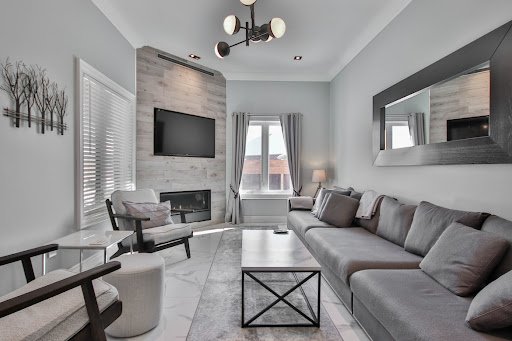
When it comes to creating a comfortable indoor space, choosing the right furniture is crucial. After all, you’ll be spending most of your time at home sitting or lounging on your couch or chair.

Comfortable furniture doesn’t necessarily mean sacrificing style for practicality. There are plenty of stylish and trendy pieces that also provide exceptional comfort. The key is to choose furniture made from high-quality materials and with ergonomic design in mind.

Consider investing in pieces such as plush armchairs, soft sofas, and cozy ottomans that allow you to sink into them after a long day’s work. Look for upholstery made from breathable fabrics like linen or cotton that won’t trap heat or make you feel sweaty.

Additionally, when choosing bedroom furniture, opt for a supportive mattress and pillows that suit your sleeping position to ensure maximum comfort while resting.

At the end of the day, comfortable furniture not only enhances our physical well-being but also contributes to our mental health by providing an inviting space where we can relax and unwind.

USE NATURAL LIGHT

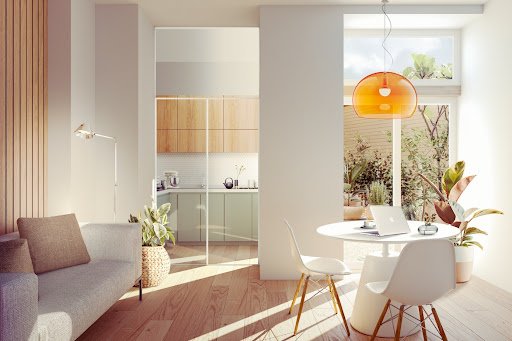
One of the best ways to create a comfortable indoor environment is by utilizing natural light. Not only does it help reduce energy consumption, but it also creates a warm and inviting atmosphere that artificial lighting cannot match.

Start by positioning your furniture in areas where natural light can easily flow into the room. This could be near windows or doors with glass panels. Make sure there are no obstructions blocking the light from entering into space.

You can also use mirrors to reflect sunlight further into the room and brighten up darker corners. Likewise, sheer curtains or blinds would allow more light to enter through while still providing privacy when needed.

Consider adding some plants as they thrive under natural light and bring life and freshness into any interior design scheme.

By incorporating natural light into your indoor environment, you will not only save money on electricity bills but also create an ambiance that promotes relaxation and comfort for all who inhabit the space.

Creating complete indoor comfort may seem like a daunting task, but with these tips in mind, it can be achievable. By installing an efficient HVAC system, choosing the right window treatments and furniture, and using natural light as much as possible, you can create a space that is both comfortable and functional.

Remember to keep in mind your personal preferences when creating your indoor environment. Every individual has unique needs when it comes to comfort levels. Whether you prefer warmer temperatures or cooler ones or more natural light versus artificial lighting or softer furnishings over firmer ones – it’s about finding balance.

THE ULTIMATE WINDOW HEALTH GUIDE: WHY MAINTENANCE IS KEY

Windows are not just functional components of a building; they play a crucial role in maintaining a healthy and comfortable living or working environment. From providing natural light and ventilation to enhancing energy efficiency, windows contribute significantly to our well-being. However, many people overlook the importance of window maintenance. In this ultimate window health guide, we will explore why window maintenance is key and how it can positively impact your living or working space.

PRESERVING INDOOR AIR QUALITY

Windows act as a barrier between the indoor and outdoor environments. Regular maintenance, including cleaning and sealing, prevents the accumulation of dust, dirt, and allergens on window surfaces. Dirty or damaged windows can compromise indoor air quality by allowing pollutants to enter your space. By keeping your windows clean and well-maintained, you can ensure a healthier indoor environment for you and your loved ones. If you’re having an issue with your windows, you can find glass replacement & window repair in Aurora or anywhere else by doing some research. Make sure to read reviews before choosing a company.

PREVENTING MOLD AND MILDEW GROWTH

Moisture infiltration is a common issue in poorly maintained windows. Moisture build-up can lead to the growth of mold and mildew, which can have detrimental effects on both your health and the structural integrity of your property. Regular inspections, sealing any gaps or cracks, and promptly addressing leaks or condensation issues can help prevent mold growth and maintain a safe and healthy living or working environment.

ENHANCING ENERGY EFFICIENCY

Windows play a significant role in regulating heat transfer, which impacts the energy efficiency of your space. Properly maintained windows with well-fitted seals and weatherstripping can prevent drafts and heat loss during colder months. This reduces the strain on your heating system and can lead to significant energy savings. Similarly, well-maintained windows with low-emissivity (Low-E) coatings can block harmful UV rays and minimize heat gain during hot summer months. By investing in regular maintenance, you can improve the energy efficiency of your space, reduce utility bills, and contribute to a greener environment.

EXTENDING WINDOW LIFESPAN

Regular maintenance can significantly extend the lifespan of your windows. Routine cleaning and inspections allow you to identify and address minor issues before they escalate into major problems. Prompt repairs or replacements of damaged components, such as broken seals or cracked glass, can prevent further deterioration and ensure the longevity of your windows. By properly maintaining your windows, you can avoid costly replacements and enjoy their benefits for years to come.

ENHANCING SAFETY AND SECURITY

Windows are a critical aspect of your property’s safety and security. Regular maintenance ensures that window locks, hinges, and frames are in proper working condition, providing a strong deterrent against unauthorized access. Faulty or damaged windows compromise the security of your space and make it more vulnerable to break-ins. By prioritizing window maintenance, you can enhance the safety and peace of mind for you and your occupants.

MAXIMIZING NATURAL LIGHT AND VIEWS

Windows play a pivotal role in providing natural light and offering beautiful views of the surrounding environment. However, neglected windows with accumulated dirt or damaged glass can hinder the passage of light and obstruct your view. Regular cleaning and maintenance keep your windows clear and pristine, maximizing the amount of natural light that enters your space and allowing you to enjoy the beauty of your surroundings.

In conclusion, window maintenance is crucial for maintaining a healthy, comfortable, and energy-efficient living or working environment. By prioritizing regular cleaning, inspections, and repairs, you can preserve indoor air quality, prevent mold growth, enhance energy efficiency, extend window lifespan, improve safety and security, and maximize natural light and views. Remember that proper window maintenance not only protects your investment but also contributes to your overall well-being. So, make window maintenance a priority and enjoy the numerous benefits it brings to your space.

ROOFING SAFETY: HELPFUL TIPS FOR DIY REPAIRS

Carrying out DIY roof repairs can be a daunting task, especially if you lack experience and expertise in the area. It’s an intimidating job both physically and mentally as it requires navigating heights, maneuvering around steeply pitched rafters, and dealing with sweltering temperatures during summer months—all while avoiding costly mistakes. However, with the right attitude and understanding of some key safety procedures, homeowners are more than capable of taking on—and successfully completing—all sorts of roof repair projects without having to hire someone else to do it for them. In this blog post, we’ll share expert tips for achieving safer DIY roof repairs for better results!

KNOW YOUR ROOF’S STRUCTURE

Understand the type of roof you have, including the different types of materials used and their safety requirements, as well as any potential dangers that come from working on that type of roof. Knowing your roof’s structure is essential for staying safe while carrying out DIY repairs. Different types of roofs can require different safety precautions and materials. If we look at the useful information from happyroofing.com, we can see that before starting any repair projects, it’s important to understand the type of material used on your roof and what specific safety requirements apply for working atop that surface. Additionally, homeowners should be aware of any potential dangers that come from working on a specific kind of roof and take the necessary steps to prepare for them. Taking the time to familiarize yourself with your roof’s structure can go a long way in ensuring a safe repair job.

BE PREPARED FOR EMERGENCIES

Have a plan in place in case something goes wrong, like making sure you know how to contact emergency services should an accident occur while on the roof. Be Prepared for Emergencies. Working on a roof can be unpredictable, and it’s important to have a plan in place in case something goes wrong. Make sure you know how to contact emergency services should an accident occur while you are on the roof, and consider having tools such as rope ladders or harnesses nearby just in case they are needed. Additionally, establish a few handy spots to store essential materials like flashlights and extra gloves, so they can be accessed quickly in an emergency situation. With a little preparation, you can rest easier knowing that help is just a phone call away if an unexpected event occurs. 

WEAR APPROPRIATE SAFETY GEAR

Invest in quality safety gear such as a hard hat, goggles, gloves, boots with slip-resistant soles, and other protective clothing appropriate for your roofing project. Remember, the more comfortable and secure you feel while on the roof, the easier it will be to complete your repairs. It is also important to keep an eye out for any loose debris or sharp objects that could potentially cause injury during the repair process. Wearing safety gear can help prevent slips and falls, as well as provide extra protection from unforeseen hazards. It’s also a good idea to bring along a friend or family member who can provide support and assistance if needed.  By taking the necessary steps to ensure safety throughout the project, DIYers can make sure their roof repair jobs are completed safely and successfully. 

USE LADDER SAFETY TECHNIQUES 

Make sure ladders are securely placed on solid ground and use two people to help carry them up to where it needs to be set up. Always maintain three points of contact on the ladder when climbing (two hands, one foot, or two feet, one hand). Additionally, avoid carrying any heavy tools while on the ladder as this can lead to a loss of balance and an increased risk of injury. Remove ladders when you are finished working to ensure that no additional hazards present themselves

INSPECT ROOF BEFORE WORKING ON IT 

Take time to inspect the roof for any signs of weakness or damage that could jeopardize your safety before beginning work.  It can also be helpful to map out the repair project in advance. Look for any weak spots or areas of concern, such as loose shingles or rusty flashing, and consider having a professional roofer inspect the roof if necessary. Having an understanding of what kind of work needs to be done and how best to do it will help you complete the repair project safely and efficiently.  By thoroughly examining the roof beforehand, you can better prepare yourself to complete the job with minimal risks. 

In conclusion, taking the proper safety precautions before working on a roof is essential to making sure that any repair job is done safely and successfully. Be prepared for emergencies, wear appropriate safety gear and use ladder safety techniques, and inspect the roof beforehand. Taking these steps will help ensure that DIYers can complete their home projects without putting themselves in unnecessary danger. With a little bit of preparation and planning, any roof repair can be done with confidence.