
HOW TO INCORPORATE DECOR INTO YOUR HOME REPAIR PROJECTS

Home repair projects often focus on fixing functional issues and maintaining the structural integrity of a house. However, they also present a unique opportunity to enhance your home’s aesthetic appeal and refresh your interior design. By incorporating decor elements into your home repair projects, you can create a cohesive, stylish space that not only functions well but also reflects your personal taste. In this article, we’ll provide valuable insights and solutions to help you seamlessly blend decor and home repair, transforming your living spaces into beautiful, well-maintained havens.

1. PLAN YOUR HOME REPAIR AND DECOR PROJECTS TOGETHER

When planning home repair projects, it’s essential to consider both functional and aesthetic aspects. By coordinating your repair work with your decor goals, you can ensure that your home remains both visually appealing and structurally sound. Start by evaluating your space to identify any necessary repairs or maintenance tasks. Next, consider how these projects align with your desired aesthetic and determine the best way to incorporate decor elements without sacrificing functionality.

2. CHOOSE A COHESIVE COLOR SCHEME

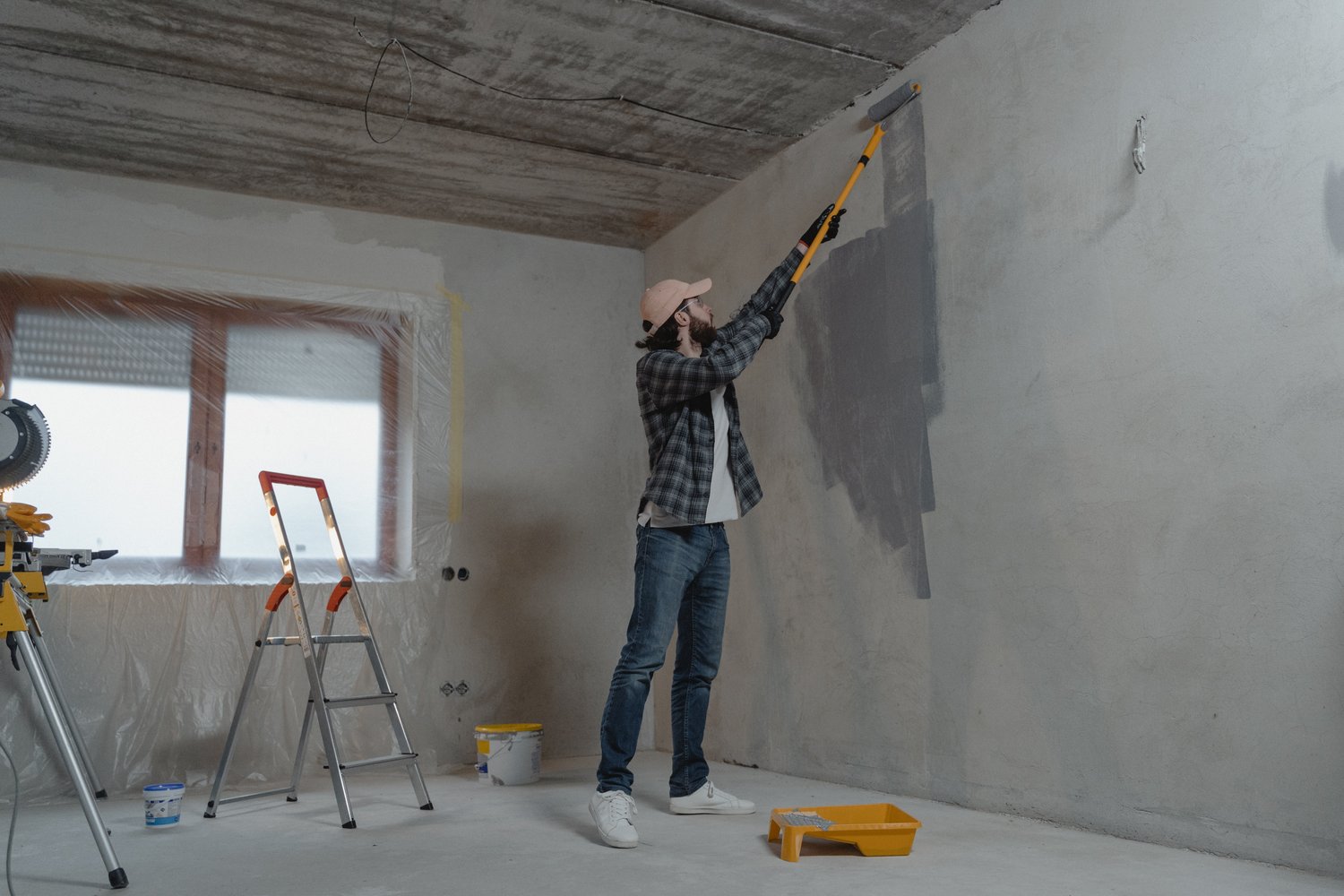
Color plays a significant role in the overall look and feel of your home. When undertaking home repairs, use this opportunity to update your color scheme or refresh existing colors to create a cohesive and inviting atmosphere. For example, if you need to hire House painters in Washington DC to repaint your walls due to wear and tear, consider selecting a new color palette that complements your furniture, artwork, and other design elements.

3. UPDATE FIXTURES AND HARDWARE

As you tackle home repair projects, don’t forget to address outdated or damaged fixtures and hardware. Replacing these small details can make a significant impact on your home’s appearance and overall design. Choose fixtures and hardware that match your decor style, whether it’s modern, traditional, or eclectic. For instance, if you’re repairing a leaky faucet, consider upgrading to a sleek, contemporary design that enhances your bathroom’s aesthetic.

4. OPT FOR DECORATIVE YET FUNCTIONAL SOLUTIONS

When faced with a repair project, look for ways to address the issue while also enhancing your home’s decor. For example, if you need to replace damaged drywall, consider installing decorative paneling or a striking accent wall that adds visual interest to your space. Similarly, if your roof is in need of repair, consult with a reputable roofing contractor to explore options for stylish and functional roofing materials that complement your home’s exterior design.

5. INCORPORATE ART AND ACCESSORIES

Artwork and accessories can elevate your home’s decor and add personality to your space. As you complete home repairs, consider incorporating these elements to create a more cohesive and polished look. For example, if you’re repairing a damaged wall, use the opportunity to curate a gallery wall with a mix of framed prints, photographs, and other wall art. Likewise, if you’re fixing a broken shelf or cabinet, take the time to thoughtfully arrange your belongings, incorporating decorative items such as vases, sculptures, or books.

6. UPDATE FLOORING AND WINDOW TREATMENTS

Flooring and window treatments play a significant role in your home’s overall design. If you’re undertaking home repairs that involve these elements, use the opportunity to update your space and create a more cohesive look. For instance, if you’re replacing damaged flooring, consider opting for a modern material, such as luxury vinyl planks, that complements your decor style. Similarly, if you’re repairing a broken window, choose new window treatments that align with your desired aesthetic, such as sleek roller shades or elegant draperies.

7. CREATE A BALANCED SPACE

When incorporating decor into your home repair projects, it’s essential to strike a balance between form and function. While it’s important to create a visually appealing space, it’s equally crucial to ensure that your home remains functional and comfortable. As you blend decor and home repair, consider how your design choices will impact your daily life and the overall usability of your space. For example, if you’re repairing a damaged kitchen countertop, opt for a stylish yet durable material that can withstand everyday use, such as quartz or granite. Similarly, if you’re updating your living room’s lighting, choose fixtures that not only enhance your decor but also provide adequate illumination for your needs.

8. PRIORITIZE HIGH-IMPACT PROJECTS

When incorporating decor into your home repair projects, focus on high-impact changes that will make a significant difference in your space’s overall appearance. Prioritize repairs and updates that will transform your home’s look and feel, such as repainting walls, replacing outdated fixtures, or updating flooring. By concentrating on these high-impact projects, you can maximize your investment and create a stunning space that blends both form and function.

9. COLLABORATE WITH PROFESSIONALS

Working with experienced professionals can help ensure that your home repair and decor projects are completed to the highest standard. By partnering with skilled contractors, designers, and artisans, you can access expert advice and resources to help you seamlessly incorporate decor elements into your home repairs. These professionals can also provide valuable insights on the latest trends, materials, and techniques, ensuring that your home remains stylish and up-to-date.

10. EMBRACE FLEXIBILITY

Finally, it’s essential to remain flexible when incorporating decor into your home repair projects. Be open to adapting your plans as needed, whether it’s due to budget constraints, unforeseen issues, or changing preferences. By embracing flexibility, you can successfully navigate any challenges that arise during your projects and create a beautiful, well-maintained space that suits your needs and tastes.

In conclusion, incorporating decor into your home repair projects can help you create a stylish and functional space that reflects your personal style. By planning your projects together, choosing a cohesive color scheme, and updating fixtures and hardware, you can successfully blend form and function in your home. Additionally, focusing on high-impact projects, collaborating with professionals, and embracing flexibility will ensure that your home repair and decor endeavors result in a stunning, well-maintained living space. With careful planning and attention to detail, you can transform your home through a combination of essential repairs and beautiful design elements.

THE ULTIMATE GUIDE TO PLANNING AND BUDGETING FOR YOUR HOME REMODEL

A home remodel can be both an exciting and overwhelming experience. The anticipation of a brand new space and the potential increase in your home’s value can make the project well worth the investment. However, without proper planning and budgeting, the process can quickly become a financial and emotional strain. To ensure a smooth and successful home remodel, it’s essential to create a detailed plan, set realistic expectations, and establish a budget that won’t break the bank. In this ultimate guide, we’ll provide you with valuable insights and solutions to help you navigate the world of home remodeling with confidence.

1. START WITH A CLEAR VISION AND SET PRIORITIES

Before jumping into any renovation, it’s crucial to identify your primary objectives and establish a clear vision for your project. Begin by asking yourself what you want to achieve with your remodel, whether it’s updating your home’s aesthetic, improving functionality, or increasing property value. With your goals in mind, prioritize the elements of your project that are most important to you. This list will help you allocate funds and resources more effectively, ensuring that you stay within budget while meeting your renovation objectives.

2. CONDUCT THOROUGH RESEARCH AND CREATE A REALISTIC BUDGET

Research is a critical component of any successful home remodel. By gathering information on material costs, labor rates, and the average price of similar projects in your area, you can create a more accurate budget. Begin by browsing online resources, visiting local showrooms, and talking to friends or neighbors who have recently completed a remodel. Be sure to account for any unexpected expenses, such as permit fees or unforeseen issues that may arise during construction. A well-researched budget will help you avoid financial stress and ensure a smoother renovation experience.

3. CHOOSE THE RIGHT PROFESSIONALS

For many homeowners, finding the best home remodeling near me can be a daunting task. It’s important to select professionals who are not only skilled and experienced but also align with your vision and budget. To find the right team for your project, consider asking for recommendations from friends, family, or neighbors, reading online reviews, and conducting interviews with potential contractors. Be sure to discuss your project’s specifics, including timelines, materials, and any unique requirements, to ensure a smooth collaboration and a successful outcome.

4. PLAN FOR THE UNEXPECTED

During any home remodel, unexpected issues may arise, such as hidden structural damage or outdated wiring. To minimize stress and keep your project on track, it’s crucial to plan for these contingencies. Set aside a portion of your budget, typically 10-20%, for unforeseen expenses. This cushion will help you address any surprises without compromising your overall budget or timeline.

5. FOCUS ON HIGH-IMPACT AREAS

To maximize the return on your investment, prioritize high-impact areas of your home, such as the kitchen, bathrooms, and main living spaces. For instance, if you’re considering a bathroom renovation, hiring experienced bathroom remodelers can help you create a space that not only improves your daily routine but also adds value to your property. By focusing on high-impact areas, you’ll ensure your remodel yields the greatest benefits for your lifestyle and your home’s resale value.

6. BALANCE QUALITY AND COST

While it’s essential to stay within your budget, don’t sacrifice quality for the sake of saving a few dollars. Invest in materials and craftsmanship that will stand the test of time and provide a lasting, positive impact on your home. To strike the right balance, consider splurging on high-visibility or high-traffic areas while opting for more budget-friendly options in other parts of your project.

7. REVIEW FINANCING OPTIONS

If you need additional funds to complete your dream remodel, consider exploring various financing options. Home equity loans, personal loans, and home improvement loans are all viable choices, each with its own set of pros and cons. Compare interest rates, repayment terms, and fees to determine the best fit for your financial situation. It’s also a good idea to consult with a financial advisor or lender to ensure you’re making the most informed decision.

8. OBTAIN NECESSARY PERMITS

Depending on the scope of your remodel, you may need to obtain permits from your local government. These permits ensure your project complies with building codes, zoning regulations, and safety standards. Failing to obtain the necessary permits can result in costly fines or even the need to undo some of your renovations. Be sure to work closely with your contractor or remodeling team to identify and secure any required permits before work begins.

9. CREATE A REALISTIC TIMELINE

An accurate timeline is essential for managing expectations and minimizing disruptions to your daily life. Discuss project milestones, potential delays, and a completion date with your contractor to develop a realistic timeline. Keep in mind that unforeseen issues, inclement weather, or material shortages can impact your schedule. By staying informed and maintaining open communication with your contractor, you can navigate any challenges that arise and keep your project moving forward.

10. PREPARE FOR LIFE DURING THE REMODEL

Living through a home remodel can be challenging, particularly if the project involves major construction or affects essential living spaces. To minimize stress and disruptions, create a plan for navigating daily life during the renovation. This might involve setting up a temporary kitchen, relocating furniture, or even staying with friends or family for a short period. By preparing for life during the remodel, you can maintain a sense of normalcy and reduce the impact on your daily routine.

In conclusion, planning and budgeting for a home remodel doesn’t have to be an overwhelming task. By following these tips and strategies, you can approach your renovation project with confidence, knowing you’ve done your due diligence and set yourself up for success. Keep your goals and priorities in mind, conduct thorough research, and collaborate with the right professionals to bring your remodeling vision to life. With careful planning and budgeting, you can transform your home into a beautiful and functional space that serves you for years to come.

WHAT TO DO IF A TENANT STOPS PAYING RENT IN CALIFORNIA?

As a landlord, one of the most frustrating and stressful situations you may encounter is a tenant who stops paying rent. Unfortunately, this is a common issue that many landlords in California face. While it can be tempting to take drastic measures when a tenant falls behind on rent, it is important to understand your legal rights and responsibilities as a landlord. In this blog post, we will provide you with a step-by-step guide on what to do if a tenant stops paying rent in California. We will cover the key actions you should take, from reviewing your lease agreement to filing an unlawful detainer lawsuit. We will also discuss the importance of communication, legal compliance, and learning from the experience. By following these guidelines, you can protect your rental business and maintain a positive relationship with your tenants, even in challenging situations. So, if you’re a California landlord facing a tenant who has stopped paying rent, read on for essential information and advice on how to handle the situation effectively and efficiently.

1. Review Your Lease Agreement

The first step in dealing with a tenant who stops paying rent is to review your lease agreement. The lease should clearly state the rent amount, due date, and any late fees or penalties that will be charged for missed payments. Make sure you are familiar with the terms of the lease so you can take appropriate action if the tenant fails to pay.

2. Communicate with the Tenant

The next action is to establish communication with the tenant. Contact them immediately and ask why the rent has not been paid. It is possible that they are experiencing financial difficulties or have encountered an unexpected emergency. In some cases, the issue can be resolved through communication and a mutually agreed-upon plan for catching up on rent payments.

3. Issue a Three-Day Notice to Pay Rent or Vacate the Property

If the tenant does not pay rent after your communication, the next step is to deliver a notice of three days to pay rent or vacate the premises. This is a legal document that informs the tenant that they have three days to pay the rent or vacate the rental unit. The notice must include the amount of rent owed, the due date, and the address where the rent can be paid. 

4. File an Unlawful Detainer Lawsuit

If the tenant fails to pay rent or vacate the rental unit after the three-day notice period, the landlord can file an unlawful detainer lawsuit in court. This is a legal action that allows the landlord to regain possession of the rental unit. A hearing will be scheduled where the landlord and tenant can present evidence and arguments. If the landlord wins the case, the tenant will be evicted. 

5. Use a Collection Agency

If the tenant owes money for rent and damages after being evicted, the landlord can use a collection agency to try to recover the debt. Collection agencies specialize in collecting debts and can take legal action to recover money owed to landlords.

6. Learn from the Experience

Dealing with a tenant who stops paying rent can be a difficult and stressful experience for landlords. However, it is also an opportunity to learn and improve your rental business. Consider reviewing your screening process for potential tenants, as well as your lease agreement and communication policies. Make sure you are following all California landlord-tenant laws and taking appropriate steps to protect your rights as a landlord.

Conclusion

Dealing with a tenant who stops paying rent can be a difficult and stressful situation for any landlord. However, by understanding your legal rights and responsibilities, communicating effectively with your tenant, and following the appropriate legal procedures, you can protect your rental business and minimize the impact of nonpayment of rent. Remember, the key is to act quickly, fairly, and professionally, while always prioritizing compliance with California law. By following the steps outlined in this blog post, you can increase your chances of a positive outcome, whether that means recovering unpaid rent or finding a solution that works for both you and your tenant. Above all, remember that every situation is unique, and seeking professional legal advice may be necessary to ensure that you are making the best decisions for your rental business. With these guidelines in mind, you can approach the situation with confidence, knowing that you are equipped to handle it effectively and efficiently.

Guest Contributor: Amelia Brown

THE ULTIMATE GUIDE TO A STUNNING BATHROOM RENOVATION

The worker installs the mirror in the bathroom

A bathroom renovation is an exciting project for homeowners looking to improve their space, functionality, and overall appeal. The bathroom is an essential part of any home, so it’s vital to ensure it is one you can truly enjoy and feel comfortable in. With the right approach and excellent ideas, you can transform your bathroom from drab to fab in no time. In this ultimate guide, we will explore various small bathroom renovation and design trends perfect for your home. Prepare to be inspired by cost-effective solutions, DIY projects, innovative storage solutions, and gorgeous design ideas.

1. Assessing Your Bathroom Renovation Needs

Before diving into your bathroom remodel, it’s crucial to take a step back and assess your current bathroom situation. Ask yourself what works and what doesn’t in your current space. Are you satisfied with the layout Is there enough storage Is the lighting adequate Take a close look at your bathroom to identify areas that need improvement. This assessment will help you create a clear bathroom renovation road map and set realistic goals for your makeover.

2. Setting a Budget for Your Bathroom Remodel

Bathroom makeovers can be costly, but they don’t have to be. It’s essential to establish a budget early on to help you make informed decisions when it comes to materials, fixtures, and labor. To set a realistic budget, research costs for various bathroom updates and obtain quotes from contractors if needed. Bathroom remodel costs can vary significantly based on factors such as your location, the extent of the makeover, and the quality of materials used.

3. Small Bathroom Makeovers Maximizing Space

If you have a small bathroom, there are plenty of ways to optimize space and create a functional and beautiful room. One proven method is to use light colors on the walls and floor to create an illusion of more space. Installing a large mirror can also help reflect natural light and open up the room. Efficiently utilizing vertical space through wall-mounted storage and floating vanities can also help maximize your small bathroom’s potential.

4. Bathroom Renovation Ideas and Design Trends

Stay up-to-date with the latest bathroom design trends to ensure your makeover feels fresh and modern. Modern and minimalist designs, such as open-concept showers and freestanding bathtubs, are gaining popularity. Bold tile choices, unique lighting fixtures, and statement pieces of art are also notable trends in bathroom design. Remember, though, that trends come and go, so make sure to select elements that you genuinely love and that stand the test of time.

5. Choosing the Right Bathroom Fixtures and Accessories

The right bathroom fixtures and accessories can make or break your bathroom makeover. Choose faucets, showerheads, and accessories that complement your overall design aesthetic and are of high quality. Consider energy-efficient options, such as low-flow showerheads and faucets, as they can help lower your water bills in the long run. Additionally, don’t forget to select matching towel bars, hooks, and toilet paper holders, as these small details can significantly impact your bathroom’s overall appearance.

6. Creative Storage Solutions and Organization Tips

Proper storage is essential in maintaining a visually appealing and functional bathroom. Innovative storage solutions, such as built-in niches, floating shelves, and ladder shelving units, can provide ample storage space without compromising the room’s design. Organize your bathroom items using clear, labeled containers and baskets to maintain order and make items easy to find.

7. DIY Bathroom Renovation Projects

Many homeowners embrace bathroom remodel as a DIY project to save money and add a personal touch. Some popular DIY bathroom makeover ideas include painting or retiling a bathroom, installing new bathroom fixtures, and upgrading existing storage solutions. If you have the skills and tools needed, DIY bathroom makeovers can be a rewarding and cost-effective way to transform your space. However, it’s essential to know your limits and call-in professionals when necessary.

8. Hiring Professionals vs. DIY Remodel

Although a DIY bathroom remodel can save you money, there are instances when hiring professionals is the better option. For example, specialized tasks such as plumbing and electrical work are generally best left to licensed experts. Additionally, hiring a professional contractor may result in a faster completion time and higher-quality work compared to a DIY remodel. Carefully weigh the pros and cons of each approach before deciding the best route for your bathroom makeover.

9. Creating a Bathroom Makeover Plan

After assessing your bathroom needs, establishing a budget, and considering various design elements, it’s time to develop a comprehensive bathroom makeover plan. Create a detailed outline, including a project timeline and necessary materials, tools, and labor. Ensure all decisions align with your budget and overall vision for the bathroom remodel. A well-thought-out plan will help ensure the success of your bathroom makeover and reduce the chances of costly mistakes.

10. Ensuring the Success of Your Bathroom Makeover

Your bathroom makeover project’s success depends on careful planning and execution, a clear vision, and the right materials and professionals. To ensure your bathroom remodel is victorious, keep the following tips in mind.

  • Be adaptable and open to change when unexpected obstacles arise.
  • Communicate effectively with any professionals involved in the project.
  • Keep your project organized and on schedule.
  • Regularly evaluate your progress to ensure you’re staying on track and within budget.

In Conclusion A bathroom renovation should reflect your personal style and needs. With a clear plan and the right materials and professionals by your side, you can create the bathroom of your dreams. Follow this ultimate guide to a stunning bathroom renovation to help you envision, plan, and execute the perfect bathroom remodel for your home. So, go ahead and get started on creating the sanctuary you’ve always wanted!

Guest Contributor: Joseph Webb