
COMMON PLUMBING ISSUES IN FIXER-UPPER HOMES

There are two reasons why you might want to buy an old house. Either you fell in love with its charm, character, and nostalgic value, or you’re in the business of flipping homes. And although buying such an old place does come with its own set of benefits, it could also bring you plenty of problems. Plumbing, certainly, is one of those. So to make sure you’re prepared, let’s take a look at the common plumbing issues in fixer-upper homes.

It goes without saying that these old homes do look the part. Back then, people went the extra mile to make their houses look and feel special. They used materials that we consider too expensive by today’s standards to make ornaments, and it’s not rare that you see that these stood the test of time. With all the patina, they look even better than when they were new.

Owning such a nice-looking home makes you feel special, so people decide to do it without giving it much thought. But that’s the last thing you want to do. If you don’t do all the plumbing checks before moving into a new home, you may be in for heaps of trouble.

Let’s see why.

OLD PIPE MATERIALS

If the home you’re looking at is more than 30 years old, the chances are that the pipes are made from an outdated material. There are three possible types of materials old-house owners will be dealing with:

●      Lead

●      Galvanised Steel

●      Polybutylene

LEAD PIPES

Lead pipes are the ones you want to be the most cautious about. Obviously, they’re bad for your health and that of your loved ones, but they weren’t banned until 1986. So, if your new house predates this year, you might want to check the type of your piping.

GALVANIZED STEEL

Although not as risky to use as lead, galvanized steel is a lot more common material to come by. It’s been extensively used since the 1960s when it replaced lead as the primary material, and that’s why so many older houses have such piping.

However, it was later found that this type of steel is corrosive. So, the water you drink may have some rust in it. Not a pleasant thing to think about, we know.

To solve the problem, you’ll have to re-pipe the whole house. It’s a big and expensive job that you want to do before you move in. So, be sure to add that check to the cost of the house.
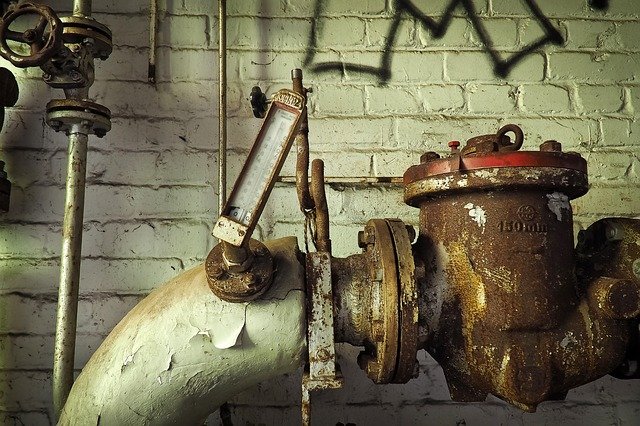
Old pipes are one of the most common plumbing issues in fixer-upper homes.

PIPE BELLIES

It’s a well-known fact that houses can move and shift over time. It’s normal, and if there’s no structural damage, we discard this problem. However, we rarely think about how this might have affected the pipes under the house.

Most commonly, the pipes shift downwards, and they create a negative slope. This slope is often referred to as the belly, and it restricts the water flow. As a result — you get no water pressure.

Luckily, this is one of those problems that you can solve even after moving in. It will take an expert crew at least a full day to finish it, but you can use that time to fix everything else that needs to be fixed. When you buy an old house, there are always plenty of minor things you need to repair.

FAILING SEWER LINES

If you think about it, it’s funny how no one thinks about sewer lines until they fail. Unfortunately, these are one of the common plumbing issues in fixer-upper homes. They were built without dishwashers, garbage disposals, or even modern toilets in mind. Hence, they’re more prone to failing. 

On top of that, tree roots or your house shifting can make a mess of your sewage system. In this scenario, the dirty water seeps into the ground or gets pushed up back through the pipes right into your home

The best way to combat this problem is to install a brand new trenchless sewer line replacement. You won’t have to dig the old pipe out, so a pro shouldn’t need longer than a day to complete the project.
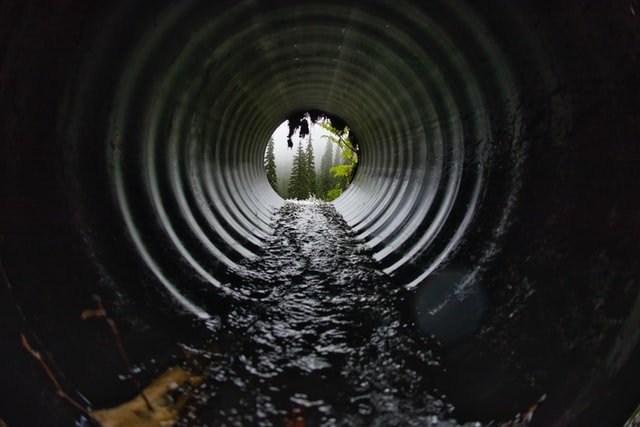
A clogged sewer line doesn’t look or smell nice.

OUTDATED FIXTURES AND CONNECTIONS

An old saying teaches us that nothing lasts forever, and this is especially true for plumbing. When you buy an old home, it’s safe to assume that everything from your fixtures, over fittings, to your supply line connections is aging. Of course, all of these things can cause issues in your beautiful historic house. 

If the damage is not severe, you’ll see things like broken knobs, leaks, and restricted water flow. And truth be told, you can get away with failing plumbing for a certain period. But you must be careful not to overdo it. If you push it too far, that rusty valve will give up at the worst possible moment. That’s how things always are. 

Some of the problems, like a leaky faucet, you’ll be able to tackle yourself if you’re handy with tools. However, we advise you to call an expert if you need to install a new water heater, for instance. Those kinds of tasks are better left to the pros. 

BAD REPAIRS

Think of your old house as a vintage car. If it has years behind it, it had its share of plumbing repairs without question. But the question you should be asking is who carried them out. 

If any of the previous owners tried to do some serious DIY work, there are no guarantees that their repairs will hold. For all you know, there might be a big problem waiting to happen any minute. So, how can you prevent it?
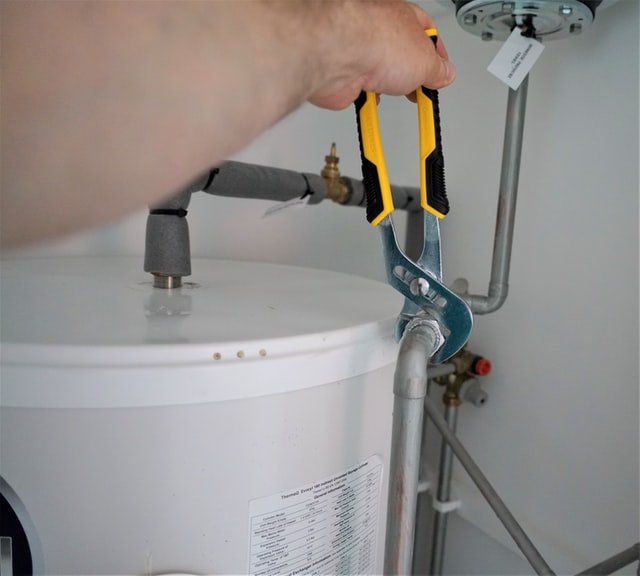
You want all your repairs to be carried out by trained professionals.

GET YOURSELF AN INSPECTION

We get that you can’t get over the charm that old house has. There’s something about it that is speaking to you, and you feel that it’s your dream home. But don’t get ahead of yourself. Contact a professional plumber and schedule an inspection before you buy the place.

This way, you can be sure that you won’t be in over your head once you get it. And now that you know about the common plumbing issues in fixer-upper homes, we’re sure that you want to check it. 

Guest Contributor: Sophia Perry

SLAB LEAKS CAN BE DIFFICULT TO DETECT: HERE’S HOW A PLUMBER DOES IT.

If you are a homeowner who is into the Do it yourself trend, you might be able to handle minor plumbing issues that the water system runs into. It isn’t that hard to change a leaky faucet or check the valve or clog the sink. You could just have the right types of equipment and some base information to handle the minor leaks and plumbing fixtures. But do not be fooled that all the plumbing issues are so simple and easy to fix. There are some major plumbing woes that cannot be treated or fixed as soon as possible. These plumbing issues could be just left undetected if not worked through initially.

Since some of the plumbing issues are notorious for not being able to diagnose and detect at a rough time, the plumbers and their tips to detect these will be mentioned in this article. What are the slab leaks, how do they develop, and how do plumbers detect them and help fix the slab leak at the right time these are the various pointer of this article. 

What is a slab leak?

Slab leaks are common occurrences in houses that are built on the slab foundations. If your home has a basement or any crawlspace, consider yourself lucky as you need not go through the wrath of the slab leak. The plumbing lines deep with in the slabs could break and cause a leak. Since it is way beyond the surface, locating, detecting, and accessing the leaks is extremely difficult. Expert plumbers could do this job at the right time for better solutions. The slabs and pipes are usually made f metals that could react and create corrosion which eventually leads to leaks.


How are slab leaks developed?

Slab leaks are a common occurrence in houses that are geographically present in places that are prone to earthquakes. Sometimes, the tremors might be so simple but enough to crack the pipe system as a whole. For repair slab leak contact us With tremors, there is innate pressure built up forcing the pipe structure to blast and lead to a leak. Another common cause for the slab leaks is the abrasion or soil shifts. Any vibrations felt in the foundation could cause the pipe to develop a pinhole leak.


What are some signs that you have slab leaks?

Water leaks are very common and could occur uninvited and create a huge mess all around. The sly nature of the leaks would leave you speechless when it finally occurs. This is when scouting for the signs of leaks could help you save your home well ahead of time. Discoloration of the wall or moisture on the wall could be an early sign of the water leak. A musty, mildew smell in basements, attics, or crawl spaces is a common sign of mold buildup, which is often the result of water leaks. Regular checks and maintenance inspections could help fix these issues. Your sense could be your guide in detecting these leaks. Sometimes water leaking or the smell could lead you to the leak. Whether you have a slab leak or not, each of these scenarios means you have a plumbing problem. Do not wait to call in a plumber as it is the best option at the time. Ignoring the issue may result in the damage to the water system. 


How does a plumber detect the slab leaks?

 Just like normal people the plumber also makes use of their senses. But if the result is futile, then there are types of equipment that could help detect the leak and diagnose the severity of the issue. There are multiple options that the professionals use when dealing with the slab leak and its repair. The major and foremost one is the scouting and looking for the real condition of the pipes and the severity of the leak.

This gives the idea of the situation and insight on how to fix the leak. If they find a very short piece of damage to a localized area, the fix is to replace the affected region as it is very practical and cost effective. But if the plumbing infrastructure is too old and repair is beyond possible the only way out is to replace them and maybe re route the entire pipe. This is extensive and the plumbers suggest this as a last option when nothing else works for them. 

Yet another option that the plumbers venture into is the trench less pipe repair. This is very less invasive and cost effective. Pipe relining is also a great option sometimes but with a lot of concentration and focus you could get the option right.

There are a lot of pieces of equipment that a plumber uses to make their job better and easy.

1. Electronic amplification equipment

This one is also known as listening equipment. This helps in listening to any internal leaks in the pipe structure with the help of sound sensors. This helps the plumbers detect the slab leaks easier, and then diagnose the situation accordingly.


2. Electromagnetic pipeline locators

This equipment works very similarly to that of radio antennas. This is to find the pipes that have some anomalies or problems and are very useful when the pipes are metallic. 


3. Gas tracer systems

These are used mainly in areas that are very noisy and which makes the physical determination of any leaks impossible. With the gas tracer systems, it is okay if the external environment has so many noises.

So these are different ways in which a plumber detects the slab leaks faster and fixes the issue in no time.

 Author Bio:- Aimee Grace 

Aimee is a marketing manager at EZ Plumbing & Restoration. She is very passionate in writing about discrete plumbing services and leakage detection as well as repair solutions.  Her vision is to educate people about the consequences of water and slab leaks at home or office and what they should do to repair them to avoid further water damage as well as property damage. 

Innovations have paved a way for smart devices to lead a convenient life. Plumbing industry is no different but only few people know about various tools used to fix the leakages. Stay tuned with the recent articles to know all about how to find water damage, slab leak, clogging, and ways to repair them, installation of new HVAC appliances in San Diego.